







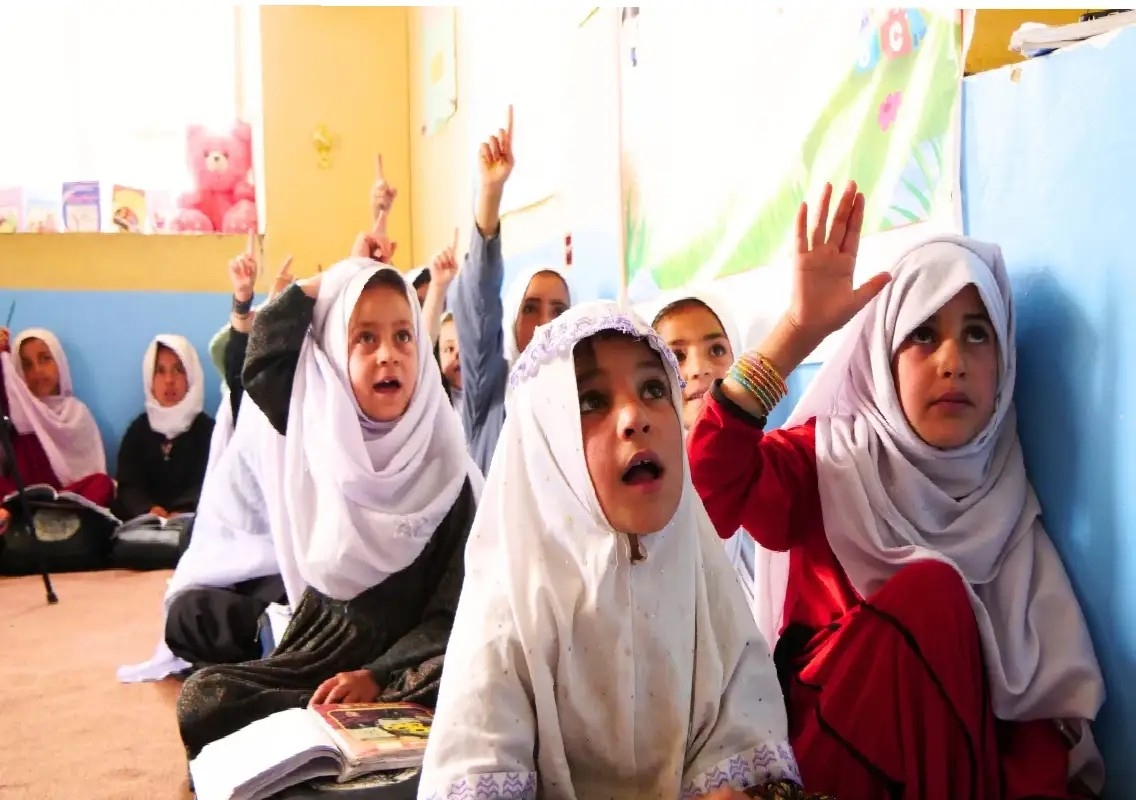


Quetta: For Afghan refugee children living in Pakistan’s Balochistan province, education can be difficult to access amid financial hardship, uncertain legal status and fears of displacement. Yet new learning opportunities are helping some children return to classrooms and look towards a more secure future.
A second chance to return to school
Twelve-year-old Attiq Ullah is among the children benefiting from an Accelerated Learning Programme (ALP) centre established in his neighbourhood by the International Rescue Committee (IRC), with support from the European Union.
Attiq had stopped attending school and was helping his brothers with informal work to support the family. His father works as a woodcutter, while the family’s limited income makes it difficult to meet basic needs.
His opportunity to return to learning came when he noticed children carrying schoolbags to a nearby centre. The programme offered free books, lessons and a safe environment where children could learn and play. His family encouraged him to enrol.
Safe spaces bring hope
The EU-supported project operates 18 Accelerated Learning Programme centres for children who have never attended school or have dropped out. The centres provide condensed lessons and trained facilitators, helping children catch up with their education and, where possible, transition into formal schooling.
Since enrolling four months ago, Attiq has attended every day. He says he enjoys playing football with his friends and has progressed from being able to recite Arabic to learning how to read and write it.
For families facing uncertainty, such learning spaces offer more than academic lessons. They provide children with routine, protection and an opportunity to imagine a different future.
Attiq hopes to complete his studies, find a good job and eventually support his family. His story illustrates how access to education can help children move beyond immediate hardship and regain confidence in what lies ahead.