







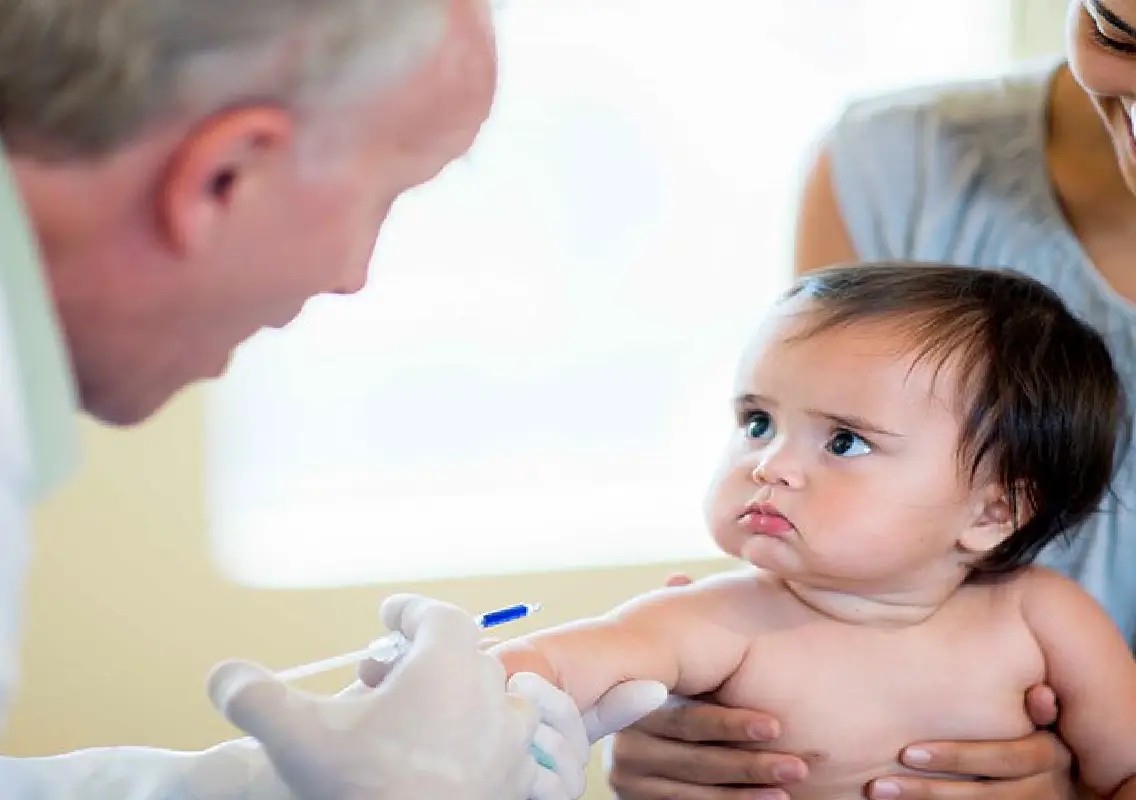


Measles outbreaks are raising concern among families, with health experts urging parents to check their children’s vaccination status and understand how quickly the highly contagious virus can spread. The American Academy of Pediatrics (AAP) says measles remains a serious vaccine-preventable disease, particularly for babies and young children.
Why measles remains a concern
Measles spreads through the air when an infected person coughs or sneezes. The virus can remain in the air or on surfaces for up to two hours, making exposure possible even after an infected person has left an area.
Early symptoms commonly include fever, cough, a runny nose and red, watery eyes. A characteristic rash usually develops several days after the initial symptoms. In some children, measles can lead to complications including pneumonia, brain inflammation, hearing loss and, in severe cases, death.
Vaccination offers strong protection
The AAP recommends two doses of the measles, mumps and rubella (MMR) vaccine for children, with the first dose generally given at 12–15 months and the second at 4–6 years. During outbreaks or before travel to areas where measles is circulating, health authorities may recommend earlier vaccination for certain children.
The vaccine is highly effective: about 95 out of 100 people are protected after one dose, while two doses protect about 97–99 out of 100 people.
Parents who are unsure about their child’s vaccination history should consult a paediatrician rather than relying on assumptions. If a child may have been exposed to measles, the AAP recommends contacting the doctor promptly so that appropriate advice can be given while reducing the risk of exposing others.