







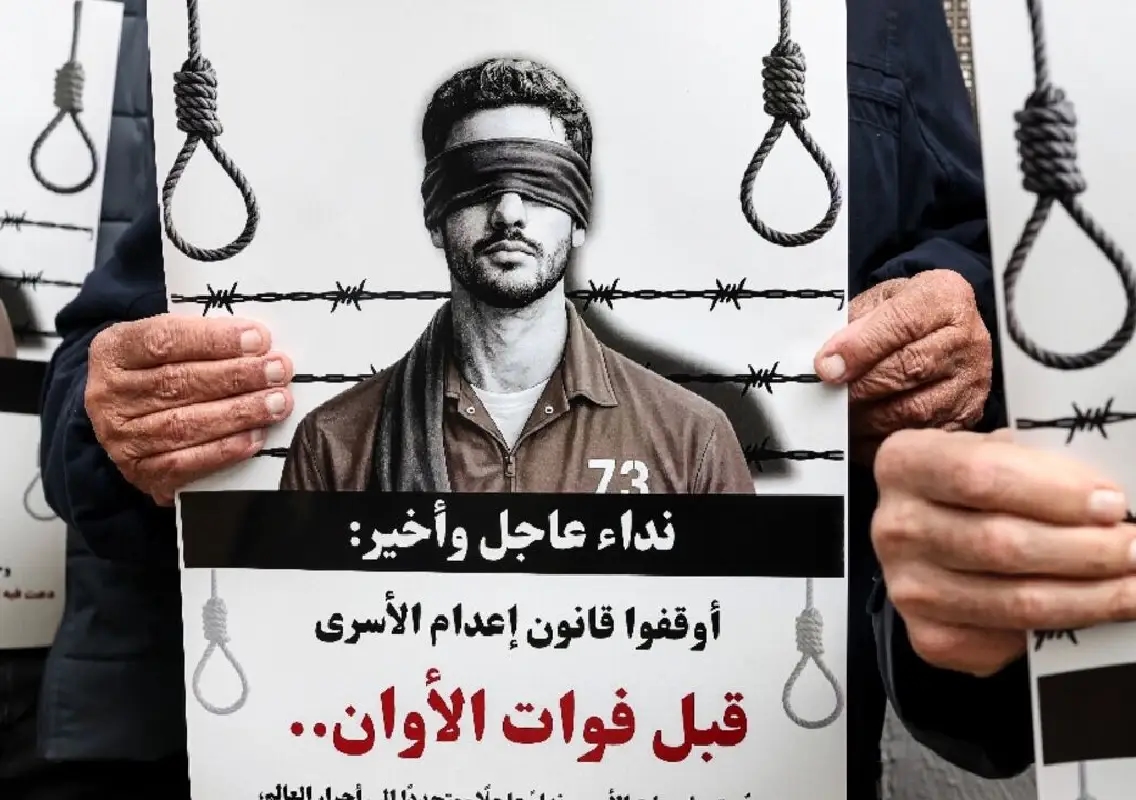


Eight Muslim-majority nations have strongly criticised Israel following the passage of a controversial law introducing the death penalty for certain Palestinians in the West Bank.
The joint statement, issued by the foreign ministers of Saudi Arabia, Egypt, Jordan, Indonesia, Pakistan, Qatar, Turkey, and the United Arab Emirates, described the move as a “dangerous escalation” and warned it could deepen regional instability.
Concerns over discriminatory application
The countries expressed concern that the law would be applied disproportionately to Palestinians, as it targets individuals tried in military courts. They argued that such measures could intensify tensions and undermine prospects for peace in the region.
The statement also warned that the legislation could reinforce systemic inequalities and further strain relations between Israel and its neighbours.
Details of the law
The law, passed by Israel’s parliament, the Knesset, mandates the death penalty for West Bank Palestinians convicted of carrying out deadly attacks classified as terrorism.
While provisions allow judges to impose life imprisonment under specific circumstances, capital punishment would otherwise be the default sentence, to be carried out within a stipulated timeframe.
International reactions divided
The legislation has drawn criticism from international bodies including the United Nations and the European Union. However, the United States has supported Israel’s right to determine its own legal framework.
Debate over deterrence and impact
Supporters of the law argue it will act as a deterrent against terrorism. However, several security experts and officials have questioned its effectiveness, warning it could instead escalate violence and trigger retaliatory actions.
Opposition parties and human rights organisations within Israel have indicated plans to challenge the law in court.
Broader global context
Globally, the use of the death penalty remains contentious. While some countries continue to enforce it, many others have moved towards abolition, reflecting an ongoing international debate on justice, human rights, and deterrence.