


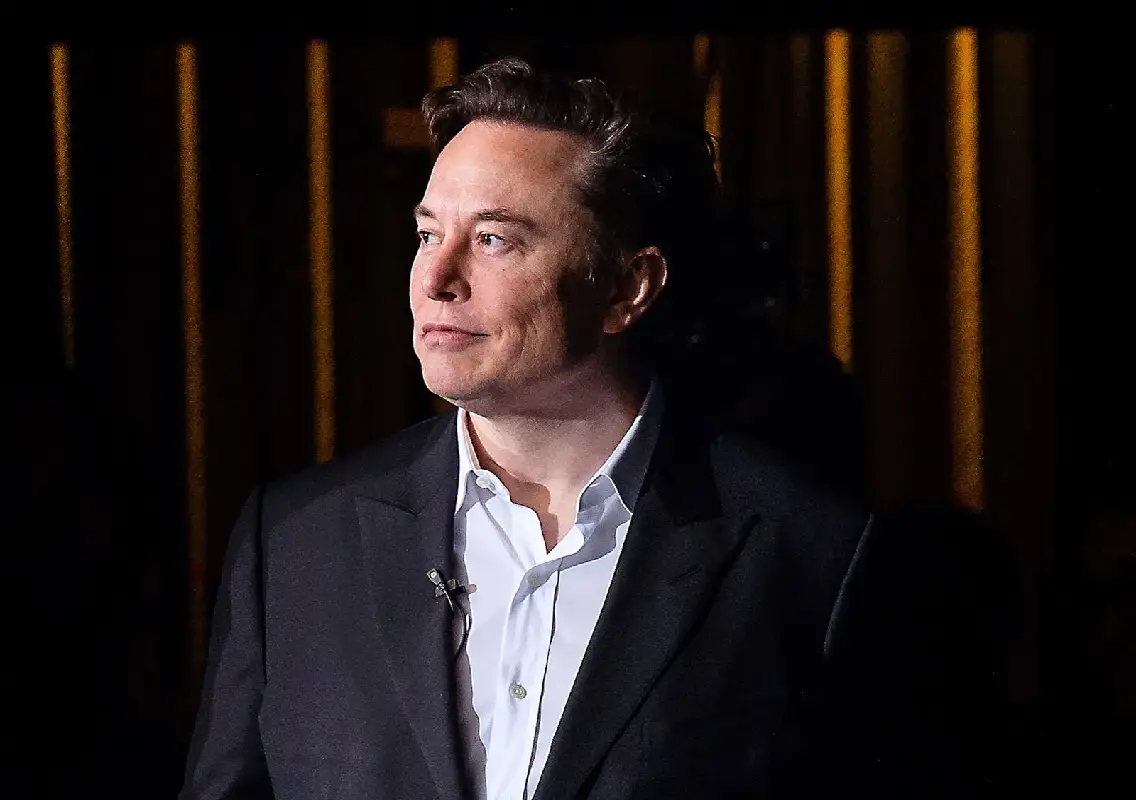


Washington: Elon Musk has donated more than $276 million to Republican-aligned political groups since July, emerging as a major financial backer of efforts to retain Republican majorities in the US Congress ahead of this year’s midterm elections.
The donations, first reported by The New York Times ahead of a federal campaign finance filing deadline, were confirmed by Andrew Romeo, a spokesperson for Musk’s super PAC. The contributions include substantial funding for groups supporting Republican Senate candidates and voter turnout operations.
The scale of the spending marks a significant return to major political contributions for Musk, who said in May that he intended to reduce his political expenditure.
Senate Leadership Fund receives $158 million
The largest reported contribution was $158 million to the Senate Leadership Fund, a major super PAC supporting Republican candidates for the US Senate. According to The New York Times, the donation ranks among the largest known political contributions in American history.
Another $76 million went to America PAC, a political action committee backed by Musk. The group has developed a voter mobilisation operation similar to the one it used during the 2024 presidential election, when it supported efforts that helped Donald Trump win the presidency.
Musk also contributed $10 million to Lone Star Liberty PAC, which supports Republican Senate nominee Ken Paxton in Texas. The Texas race has become a significant focus of Musk’s political spending.
The contributions highlight the role of wealthy donors and political action committees in financing campaigns in the United States, where outside groups can spend substantial sums to support candidates and influence election messaging.
Political spending marks a change in approach
Musk’s latest spending represents a shift from his public comments in May, when he indicated that he planned to scale back future political contributions.
“I think I’ve done enough,” he said at the time.
Despite the renewed financial commitment, Musk has maintained a lower public profile than during the 2024 election campaign. He appeared alongside Trump at rallies that year and subsequently took a prominent role in the early months of Trump’s second administration, leading the Department of Government Efficiency.
Musk and Trump later had a public falling-out as Musk left his government position. The two have since reconciled, and Trump presented Musk with the National Medal of Science last week, according to the report.
Musk’s wealth has also fluctuated around the trillion-dollar mark this year in response to changes in stock prices. Forbes reported that he had crossed the $1 trillion threshold again last week.
Republicans gain substantial financial backing
The reported donations come as Republicans face a challenging political environment ahead of the midterm elections. Voter dissatisfaction over the president’s performance, persistently high prices and the unpopular war with Iran have emerged as concerns for the party.
Nevertheless, Republican-aligned groups have a substantial financial advantage over their Democratic counterparts, according to the report. The funding is being used to increase advertising and campaign outreach during the final stretch before voters head to the polls.
Romeo defended the spending, saying the contributions had helped Republican organisations communicate their message to voters.
“These robust investments have allowed the G.O.P. apparatus to get its message out so Republicans can have a fighting chance to defy history,” he told The New York Times.
The funding is expected to support campaign advertising and other efforts aimed at retaining Republican control of Congress. Super PACs can raise and spend large amounts of money independently to support or oppose candidates, although they are subject to campaign finance rules governing their activities.
Democrats criticise scale of donations
Democratic-aligned groups have criticised the Republican spending, arguing that large donations cannot compensate for dissatisfaction with candidates and the administration.
Lauren French, a spokesperson for Democrats’ Senate Majority PAC, accused Republicans of relying on wealthy donors to strengthen their campaigns.
“Republicans are hoping to buy these elections, injecting tens of millions into races to try and outrun their unpopular candidates, unpopular president, and unpopular economy,” she said.
The competing statements reflect the political debate surrounding the role of major donors in US elections. Republican-aligned groups argue that the funding enables them to communicate with voters, while Democrats contend that the spending highlights the financial resources being deployed to defend Republican candidates.
With more than $276 million reportedly contributed since July, Musk’s latest donations have placed him at the centre of the financial contest surrounding the midterms. The contributions are intended to support Republican electoral efforts, although the eventual impact of the spending will depend on voter behaviour and the outcomes of individual races.