







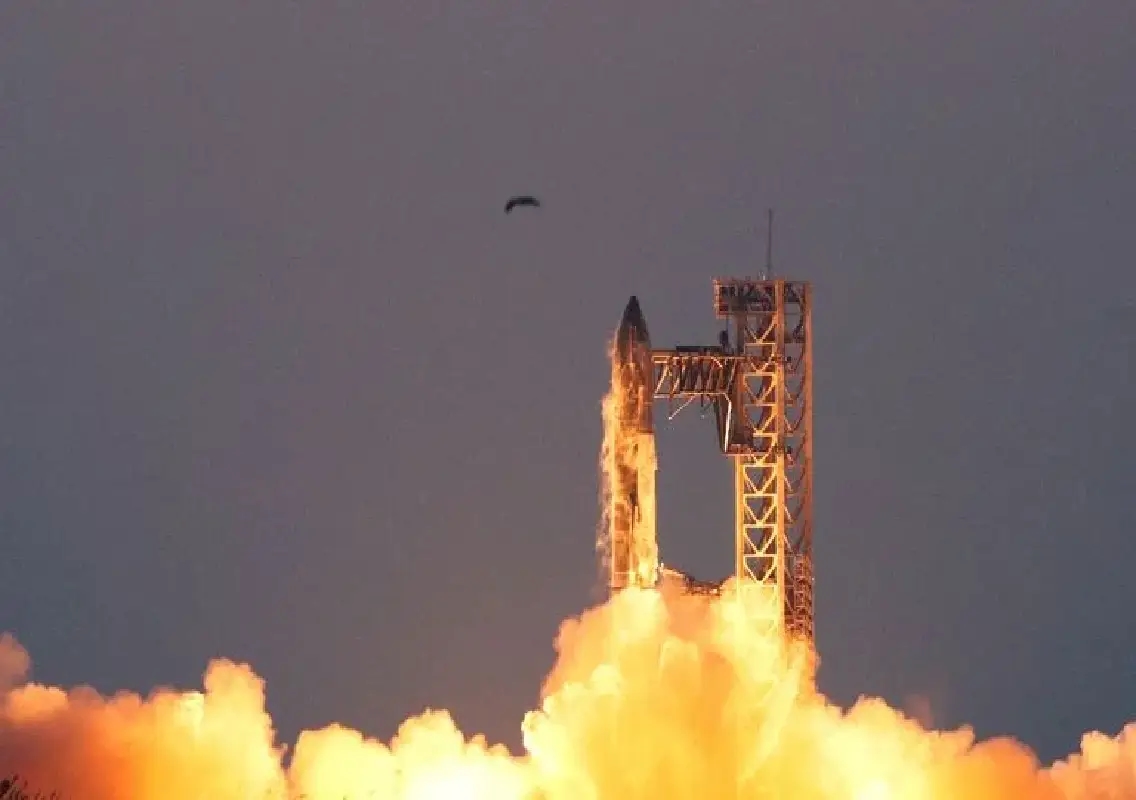


Washington: Elon Musk’s SpaceX is reportedly exploring an ambitious plan to power artificial intelligence infrastructure using solar energy harvested in orbit, according to a recent filing with the US Federal Communications Commission (FCC). The proposal outlines a concept where large numbers of satellites could function as space-based power and computing platforms for AI workloads — a move that could significantly change how high-energy data processing is handled in the future.
What the SpaceX proposal suggests
According to reports citing the FCC filing, SpaceX is studying a system in which satellites positioned in orbit would capture near-continuous sunlight and use that energy to support AI computing operations. Because satellites in certain orbital paths receive sunlight almost uninterrupted for long periods, they can generate solar power more consistently than ground-based installations affected by night cycles and weather.
The filing indicates that the company is seeking approval frameworks that would allow a very large satellite constellation dedicated to this purpose. Analysts say such filings often request capacity well beyond initial deployment needs, giving room for expansion if the technology proves viable.
The concept aligns with SpaceX’s broader pattern of building large-scale orbital networks, as seen with its Starlink internet constellation.
Why AI computing needs new power models
Artificial intelligence systems — especially large language models and advanced machine learning platforms — require enormous computing power. That computing demand translates into extremely high electricity usage. Current AI data centres consume vast amounts of grid power and require heavy cooling infrastructure, raising both cost and environmental concerns.
Industry estimates show that advanced AI clusters can consume as much electricity as small towns. As AI adoption expands across sectors such as defence, finance, healthcare and logistics, power demand is expected to grow sharply.
A space-based solar approach could theoretically reduce dependence on terrestrial power grids. Constant solar exposure in orbit means higher energy generation efficiency, fewer interruptions and potentially lower long-term operating costs once infrastructure is deployed.
Experts caution, however, that transmitting usable power or processed data efficiently from orbit to Earth — or running large compute systems in space — presents major engineering challenges.
Link to reported xAI–SpaceX synergy
The proposal comes shortly after reports of a possible closer integration between Musk’s AI venture xAI and SpaceX. While no formal merger has been officially confirmed through regulatory announcements, industry observers believe shared infrastructure strategies are increasingly likely across Musk-led companies.
If coordination happens, orbital solar-powered platforms could support AI model training, inference workloads or distributed processing nodes. That would give Musk-controlled firms tighter vertical control over AI infrastructure — from launch capability to compute power generation.
Such integration could also reduce dependence on third-party cloud and data centre providers, creating a proprietary AI backbone.
Scale of the satellite ambition
The reported filing mentions the possibility of up to 10 lakh satellites in long-term planning scenarios. While that number is far above the total number of operational satellites currently in orbit, analysts note that high-capacity filings are not unusual in early-stage regulatory submissions.
For comparison, only about 15,000 satellites are presently estimated to be orbiting Earth across all operators. SpaceX itself previously sought approval for around 42,000 Starlink satellites, though actual deployment so far is roughly 9,500.
Regulators typically evaluate such filings in stages, and approvals — if granted — are often conditional and phased.
Technical and regulatory hurdles ahead
Major technical barriers remain before orbital AI data centres become practical. These include:
- Managing heat dissipation in space-based compute hardware
- Protecting electronics from radiation exposure
- Ensuring reliable high-bandwidth communication links
- Handling maintenance and hardware replacement
- Preventing additional orbital congestion and debris risk
Regulatory scrutiny is also expected to be intense. Satellite mega-constellations already face concerns over space traffic management, collision risk and astronomical observation interference. A constellation orders of magnitude larger would likely trigger global coordination discussions.
Environmental experts will also examine lifecycle impacts, including rocket launch emissions and satellite disposal plans.
What it could mean for AI infrastructure
If successful, the concept could mark a shift from land-based, grid-dependent AI infrastructure toward distributed, space-assisted computing ecosystems. Solar-powered orbital platforms could offer cleaner energy sourcing and potentially lower marginal energy costs for large-scale AI processing.
However, specialists say the idea remains at an exploratory and regulatory-proposal stage. Many elements — including actual onboard computing versus energy relay roles — are still unclear.
For now, the filing signals intent rather than imminent deployment. But it shows how the AI infrastructure race is expanding beyond software and chips into energy generation and space-based systems.
Conclusion
SpaceX’s reported orbital solar AI plan reflects growing pressure to find scalable, sustainable power solutions for next-generation computing. While significant technical and regulatory challenges stand in the way, the proposal highlights how future AI infrastructure may extend beyond Earth-based data centres into space-enabled energy and processing networks.