







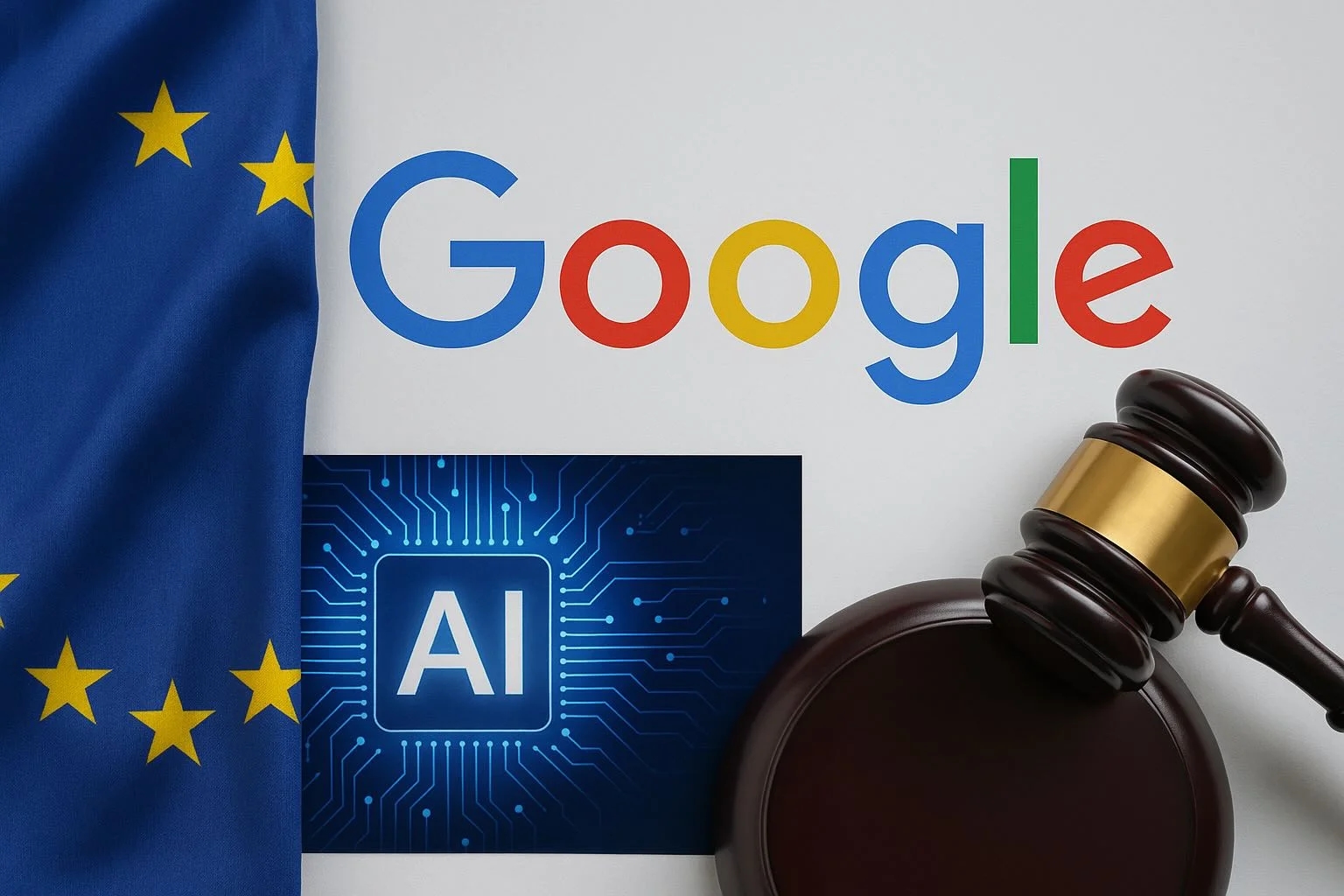


The European Union has opened a sweeping antitrust investigation into Google, examining whether the tech giant unfairly used publishers’ and creators’ online content to develop its artificial intelligence tools, including AI Overviews and AI Mode. The probe marks the latest escalation in the bloc’s efforts to regulate U.S. big tech companies.
Scrutiny over Google’s use of online content
The European Commission stated that it is assessing whether Google breached EU competition laws by harvesting content from web publishers and YouTube creators for AI training without appropriate compensation or opt-out mechanisms.
Regulators are particularly focused on whether Google imposed unfair terms on content owners or gave itself privileged access to vast datasets that could disadvantage developers of rival AI models.
Competition commissioner Teresa Ribera said the probe aims to ensure that rapid AI innovation does not undermine fairness.
“AI is bringing remarkable innovation… but this progress cannot come at the expense of the principles at the heart of our societies,” she said.
The Commission will examine whether publishers can refuse the use of their content without jeopardising their access to Google Search — a concern raised by multiple media organisations across Europe.
Google pushes back: ‘This risks stifling innovation’
A Google spokesperson dismissed the complaint as harmful to the fast-moving AI ecosystem.
“This complaint risks stifling innovation in a market that is more competitive than ever,” the company told CNBC, adding that Google continues to collaborate with news and creative industries as they transition to the AI era.
The probe comes just months after the EU fined the company nearly €3 billion for anticompetitive behaviour in the ad technology sector — a decision Google is appealing.
Part of a broader EU clampdown on U.S. tech giants
The action against Google is the latest in a series of enforcement moves:
- X (formerly Twitter) was fined €120 million last week for failing to meet transparency rules related to political advertising and for what regulators called “deceptive design” of its verification system.
- The EU also opened an antitrust investigation into Meta, probing whether its policy of giving AI providers access to WhatsApp user data violates competition regulations.
These moves underscore Europe’s increasingly assertive approach, positioning itself as a global leader in digital regulation through frameworks like the Digital Markets Act (DMA).
What happens next?
The European Commission will now gather data, interview stakeholders and review Google’s contracts with publishers and creators. Depending on the findings, Google could face behavioural remedies, major fines or mandatory changes to its AI training practices.
The case adds to a growing global debate over who owns online content, how it can be used to train AI models, and whether the balance of power between content creators and tech giants needs recalibration.