







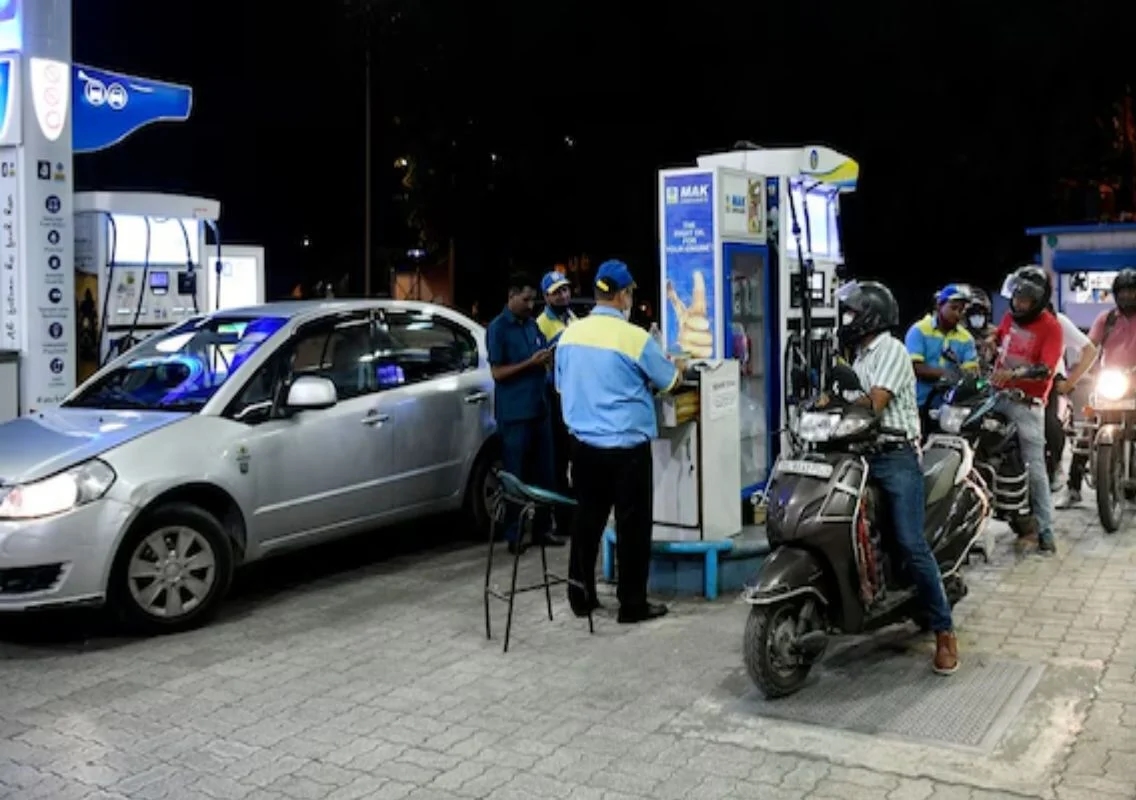


New Delhi: The Centre has reduced excise duty on petrol and diesel by Rs 10 per litre each, bringing taxes down to Rs 3 per litre on petrol and zero on diesel. However, despite the significant cut, consumers may not see an immediate drop in fuel prices.
Why prices may not reduce at the pump
Industry sources indicate that the benefit of the excise duty cut is likely to be absorbed by oil marketing companies (OMCs), which are currently facing heavy losses due to soaring global crude oil prices.
Benchmark Brent crude has surged past $100 per barrel amid escalating geopolitical tensions, including the US-Israel war on Iran and disruptions in the Strait of Hormuz.
OMCs are reportedly losing up to Rs 48.8 per litre on fuel sales, making it unlikely that the tax relief will be passed on fully to consumers.
Government’s stance on price control
Petroleum Minister Hardeep Singh Puri said global crude prices have jumped sharply—from around $70 per barrel to over $120—leading to fuel price hikes worldwide.
He emphasised that the government chose to absorb the financial burden rather than pass on the full impact to consumers, unlike many other countries where prices have risen steeply.
Global crisis impacting supply
The ongoing conflict has severely disrupted oil and gas exports from West Asia. The Strait of Hormuz, a crucial energy corridor, typically handles nearly 20–25 million barrels of crude oil per day.
India depends heavily on this route, with nearly 40–50% of its crude oil imports passing through the strait. The country also relies on the region for liquefied natural gas (LNG) and LPG supplies.
Supply situation in India
Despite concerns, the government has reassured citizens that there is no immediate shortage. Officials say India has around 60 days of crude oil stock and about 30 days of LPG supply.
Additionally, total reserves—including strategic petroleum reserves and stocks with OMCs—stand at approximately 74 days.
Recent developments in fuel pricing
The excise duty cut comes shortly after Nayara Energy raised petrol and diesel prices by Rs 5.3 and Rs 3 per litre respectively, reflecting ongoing pressure on fuel retailers.
Conclusion
While the excise duty reduction appears substantial on paper, global crude price volatility and mounting losses for oil companies mean consumers may not experience immediate relief at fuel stations. The move is primarily aimed at cushioning the impact rather than lowering retail prices significantly.