







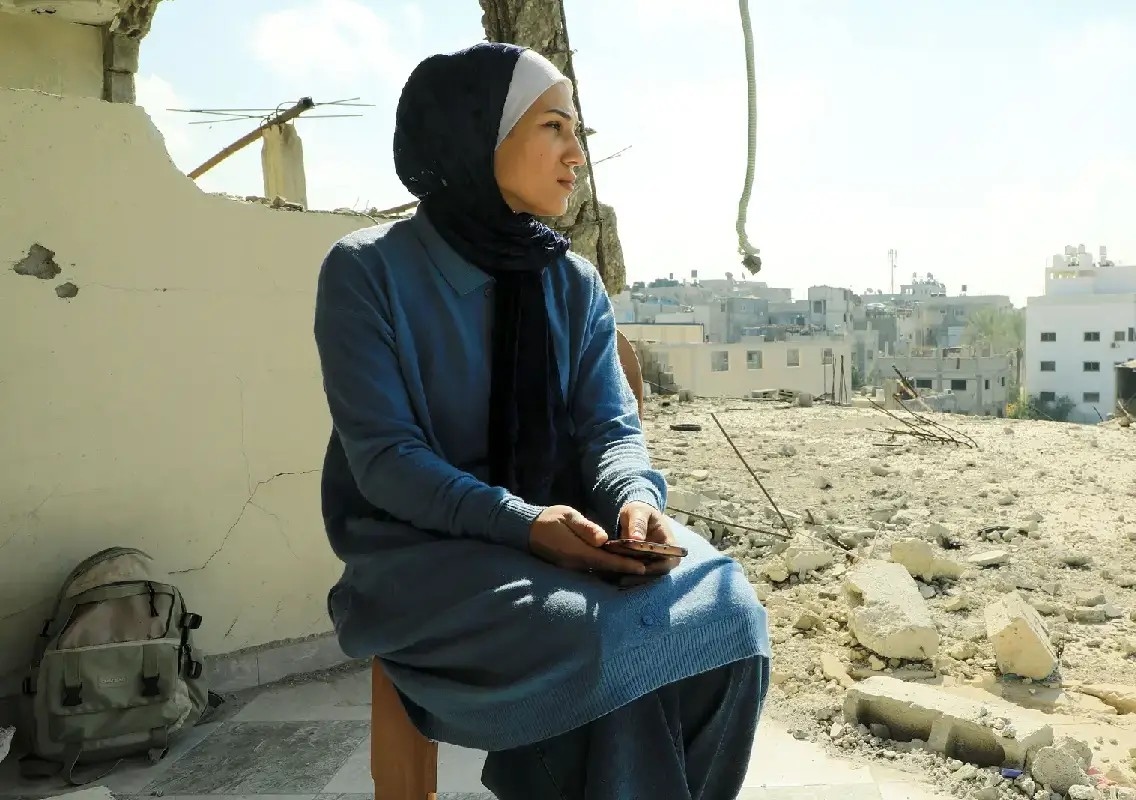


Gaza: Women in Gaza are increasingly carrying the responsibility of keeping their families alive amid displacement, loss, insecurity and severe shortages of basic necessities.
According to a United Nations study published in September, 86,290 households in Gaza — around 23% of all families — are now officially headed by women, nearly twice the proportion recorded before the war began in October 2023. The figure does not include families where women have effectively become the main providers because their husbands are missing, detained, injured or unable to work.
Women forced to become sole providers
For many women, the change has come after losing their husbands. They are now responsible for finding food, securing shelter, caring for children and seeking humanitarian assistance in extremely difficult circumstances.
UN data shows that 68% of women-headed households reported unmet housing needs, compared with 55% of male-headed households. Around 67% also reported unmet financial needs, while women-led families were more than twice as likely to report receiving no assistance.
The experiences of mothers such as Hanane Abdel Aal and Najwa Al-Shamali illustrate the scale of the burden. After losing their husbands, both have had to find ways to support their children despite displacement and limited opportunities to earn.
A struggle to find food and safety
Al-Shamali recalled walking for hours during the height of the food crisis in 2025 to collect food parcels, despite witnessing people being killed along the route. Her eldest son has since started working to help support the family, while younger children continue learning through lessons in their camp.
UN Women has warned that women heading households face difficult choices over food, shelter, money and access to aid. The agency says their needs must remain central to humanitarian and recovery efforts.