







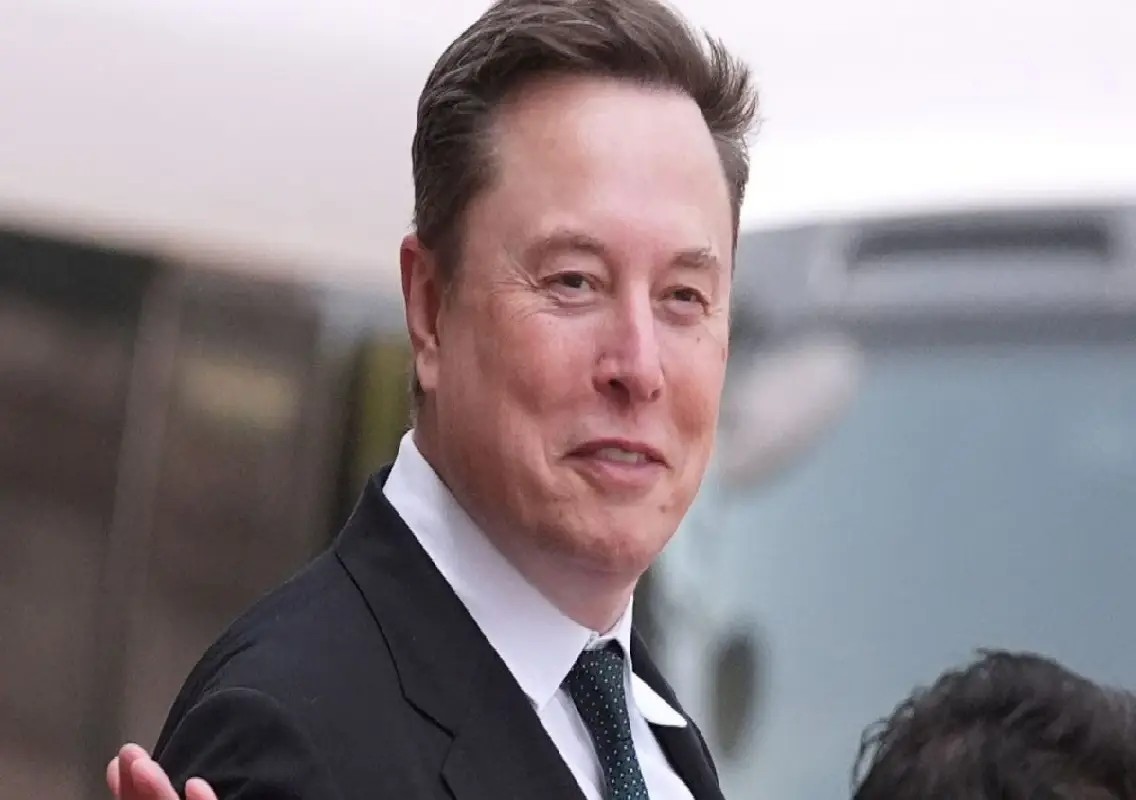


Washington: Tech billionaire Elon Musk has become the world’s first trillionaire on paper following the public listing of SpaceX. However, renewed attention is being focused on the substantial government support received by Musk’s companies during their formative years, with analysts arguing that public funding played a crucial role in their growth and success.
Both SpaceX and Tesla benefited from government contracts, loans, tax incentives and regulatory programmes that helped them overcome financial challenges and scale their operations.
Early government backing helped SpaceX survive
SpaceX, now one of the world’s most valuable companies, received significant support from the US government during its early years.
In 2006, NASA awarded SpaceX a contract worth USD 278 million to develop Falcon rockets and the Dragon spacecraft. At the time, NASA was seeking private-sector partners as it prepared to phase out the Space Shuttle programme.
The contract provided a major boost to the young company, which was attempting to establish itself in the highly competitive aerospace sector.
NASA contract proved decisive
A turning point came in 2008 when SpaceX was reportedly facing severe financial difficulties and was close to exhausting its available funds.
That year, NASA awarded the company a USD 1.6 billion contract to transport cargo to the International Space Station. The agreement is widely regarded as a pivotal moment that helped secure SpaceX’s future.
Musk himself later acknowledged the importance of NASA’s support, stating that the company would not have reached its current position without assistance from the space agency.
Industry experts believe the government contracts not only provided funding but also enhanced SpaceX’s credibility, helping it attract private investment and additional commercial opportunities.
Tesla benefited from federal loan programme
Tesla also relied heavily on government support during its early growth phase.
In 2010, when the company had sold fewer than 2,000 vehicles, the US Department of Energy approved a low-interest loan worth USD 465 million.
The funding helped Tesla develop the Model S, the vehicle widely credited with transforming the company from a niche electric vehicle manufacturer into a major automotive player.
The Model S later became one of Tesla’s most successful products and laid the foundation for future expansion.
Tax credits boosted electric vehicle sales
Government incentives also played a major role in encouraging consumer adoption of Tesla vehicles.
For several years, buyers of eligible electric vehicles received a federal tax credit of up to USD 7,500, reducing the cost of ownership and making electric cars more attractive to consumers.
Before Tesla’s eligibility for the programme ended in 2019, the company’s customers had reportedly received approximately USD 3.4 billion in federal tax credits.
Analysts say the incentives helped accelerate electric vehicle adoption across the United States and contributed significantly to Tesla’s sales growth.
Emissions credits generated billions
One of Tesla’s most lucrative government-linked benefits came through environmental regulations.
Under US emissions rules, automakers unable to meet certain standards were required to purchase regulatory credits from manufacturers that exceeded those requirements.
Because Tesla produced only electric vehicles, it generated a large surplus of credits that could be sold to other automakers.
Between 2008 and 2019, Tesla earned more than USD 2 billion from the sale of emissions credits.
At one stage, regulatory credit sales accounted for nearly 25 per cent of Tesla’s revenue, providing an important source of income while the company expanded production and developed new models.
Tesla has consistently disclosed the financial impact of regulatory credit sales in its earnings reports.
Investors highlight government’s role
Several investors and industry observers have pointed to the importance of public support in the success of Musk’s companies.
Ross Gerber, chief executive of investment firm Gerber Kawasaki and an early Tesla investor, argued that neither Tesla nor SpaceX would likely exist in their current form without government assistance during their formative years.
Supporters of the programmes contend that government investment helped foster innovation, strengthen the domestic aerospace industry and accelerate the transition to cleaner transportation technologies.
SpaceX IPO lifts Musk’s fortune
Musk’s net worth surged following SpaceX’s public listing.
The company’s shares debuted at USD 135 each before closing their first trading session at USD 160.95, giving SpaceX a market valuation of approximately USD 2.11 trillion.
At the IPO price, Musk’s stake was estimated to be worth around USD 866 billion. The rise in share value on the first day of trading reportedly increased the value of his holdings to more than USD 1 trillion, making him the first person to achieve trillionaire status on paper.
Debate over public support continues
The success of Tesla and SpaceX has reignited debate over the role of government support in fostering innovation and entrepreneurship.
While critics argue that public funding effectively subsidised private wealth creation, supporters maintain that strategic investments in emerging industries can generate significant economic and technological benefits over the long term.
The discussion is likely to continue as governments worldwide increasingly use incentives, grants and public-private partnerships to encourage innovation in sectors such as clean energy, advanced manufacturing and space exploration.
Conclusion
Elon Musk’s rise to becoming the world’s first trillionaire on paper has highlighted the significant role government support played in the early growth of Tesla and SpaceX. From NASA contracts and federal loans to tax incentives and emissions credits, public programmes helped both companies navigate critical stages of development before evolving into some of the world’s most valuable enterprises.