







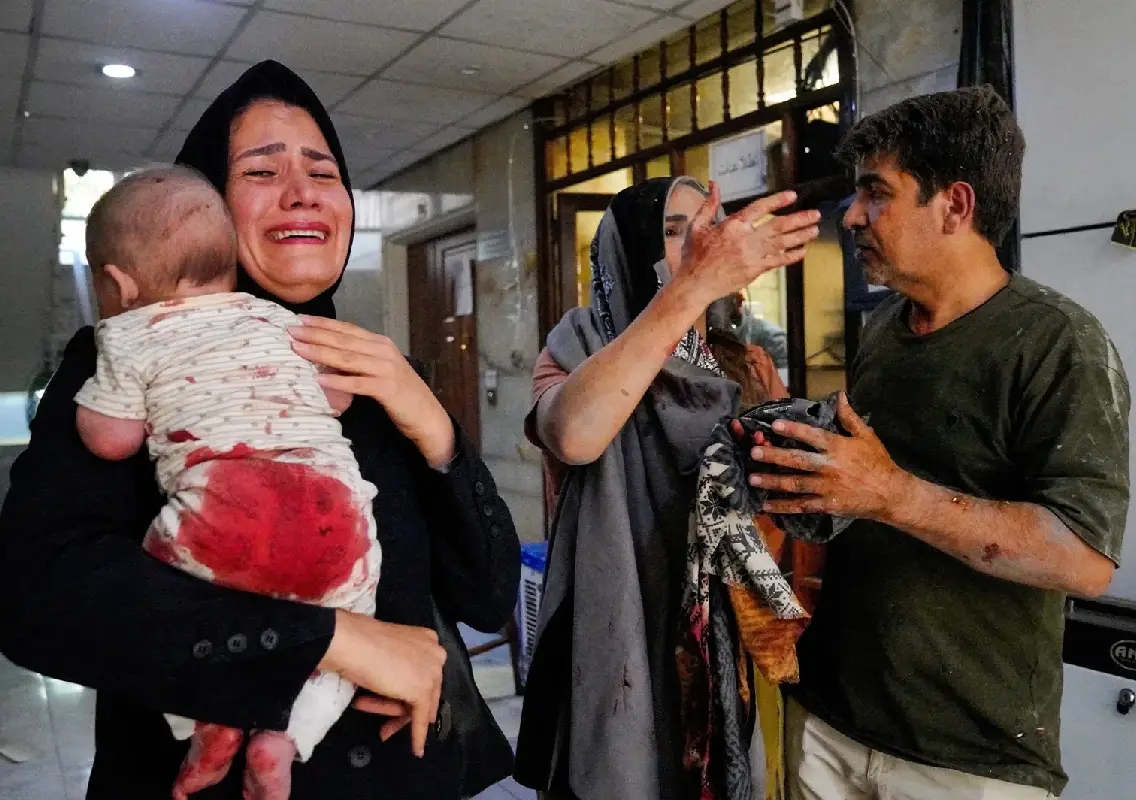


Deep grief and anger have engulfed families in Iran as the death toll from the ongoing conflict continues to rise, with emotional scenes unfolding at burial grounds across the country.
Mother mourns son lost days before return
At the Behesht-e Zahra cemetery in Tehran, Marzia Rezaei sat beside the grave of her 23-year-old son, Erfan Shamei, who was killed in a blast at a military training camp in Kermanshah earlier this month.
Just days away from returning home on leave, Shamei had been preparing for his upcoming wedding. His mother recalled their last conversation, filled with anticipation for his visit.
“I hadn’t seen him for two months,” she said, holding his photograph as she wept.
Rising toll of conflict
The conflict, which began on February 28 with large-scale air strikes, has reportedly claimed over 1,300 lives in Iran, according to official figures. The escalating violence has intensified fears and uncertainty across the region.
At the cemetery, workers continued preparing new graves as families gathered to bid farewell to their loved ones.
Scenes of mourning and loss
Funerals were marked by visible anguish. Families stood around freshly dug graves, many breaking down in grief. Some mourners quietly wept, while others expressed their sorrow through traditional mourning rituals.
The cemetery echoed with prayers and hymns, as flower petals were scattered across graves and portraits of the deceased were displayed alongside national flags.
Stories of sacrifice and tragedy
Among the mourners was Fatima Darbechi, who lost her brother while he was attempting to rescue victims from a bombed vehicle. He was killed in a subsequent explosion.
“He grew up without a mother. I raised him,” she said, recounting her loss.
Anger and defiance grow
For many, grief has been accompanied by anger over the strikes. Some families expressed defiance, stating that the loss of lives would not weaken their resolve.
The emotional scenes highlight the human cost of the ongoing conflict, with civilians and families bearing the brunt of the violence.
As tensions continue to escalate, calls for restraint and humanitarian considerations are growing louder, even as the region remains on edge.