







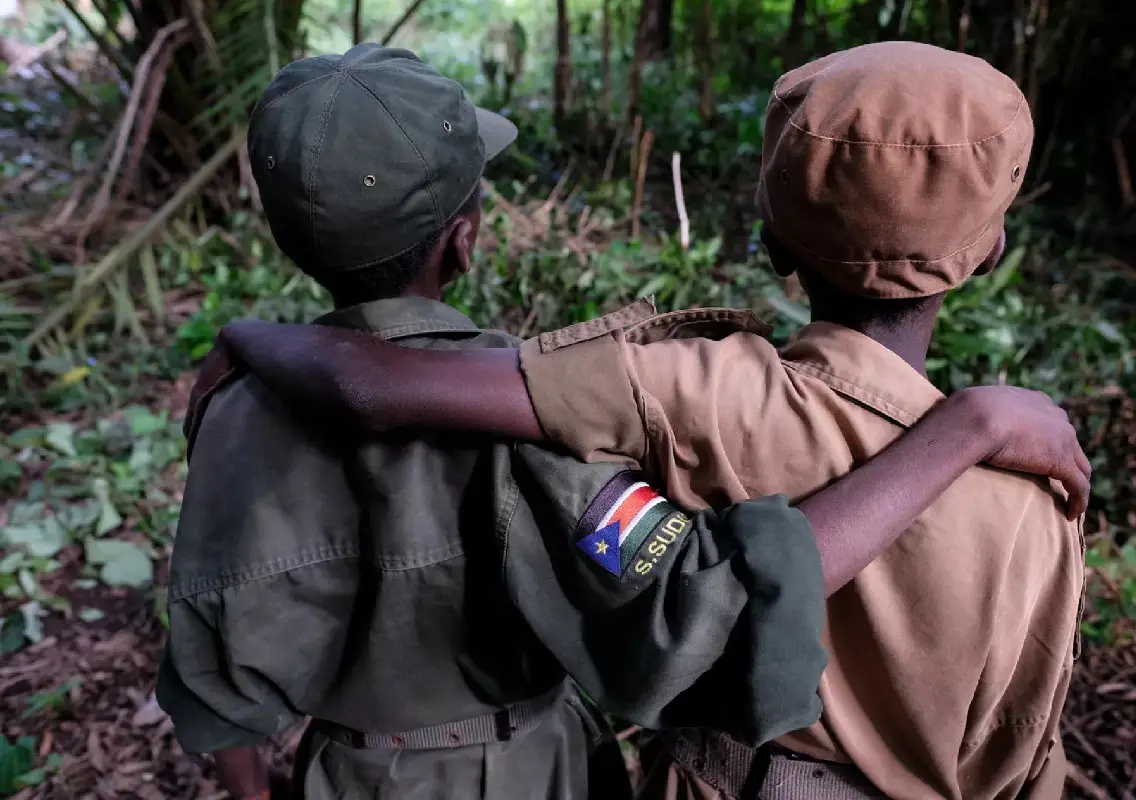


As a new multinational security force prepares to intervene in Haiti, experts warn of a worsening humanitarian crisis, with children making up nearly 50 per cent of armed gang members.
Children drawn into violent conflict
According to the United Nations, at least 302 children were recruited and used by gangs in 2024 alone, primarily in combat roles across the capital, Port-au-Prince.
The situation has intensified in 2025, with UNICEF reporting a sharp rise in recruitment as armed groups exploit poverty, instability and lack of opportunities.
Poverty and desperation fuel recruitment
Years of political unrest and widespread violence have left over 1.4 million people homeless, creating conditions where children are increasingly vulnerable.
Gangs reportedly lure children with promises of food, shelter and money. Payments can range from $100 to $700 for tasks such as surveillance, looting, or participating in violent operations.
In some cases, children are forcibly recruited, while others are pushed into gangs by desperate families seeking protection.
Social media used to attract youth
Experts say gangs are actively using social media to recruit young members, showcasing wealth, weapons and a sense of belonging. Videos circulating online often feature minors holding firearms, highlighting the scale of the issue.
New security force faces complex challenge
A UN-authorised multinational force, expected to deploy around 5,500 personnel, is being mobilised to support Haiti’s police and armed forces in tackling gang violence.
However, rights groups warn that operations could put child recruits directly in harm’s way, raising concerns about their safety and treatment during confrontations.
Calls for child protection measures
UNICEF has urged authorities to follow strict “handover protocols,” ensuring that children encountered during operations are treated as victims and transferred to child welfare systems rather than punished.
Rehabilitation programmes are also underway to help former child recruits reintegrate into society, though the process remains complex due to trauma and community resistance.
Humanitarian response remains critical
Experts stress that security measures alone will not resolve the crisis. Addressing hunger, displacement and lack of basic services is essential to preventing further recruitment.
The situation in Haiti underscores the urgent need for a coordinated response that balances enforcement with humanitarian support to protect vulnerable children