







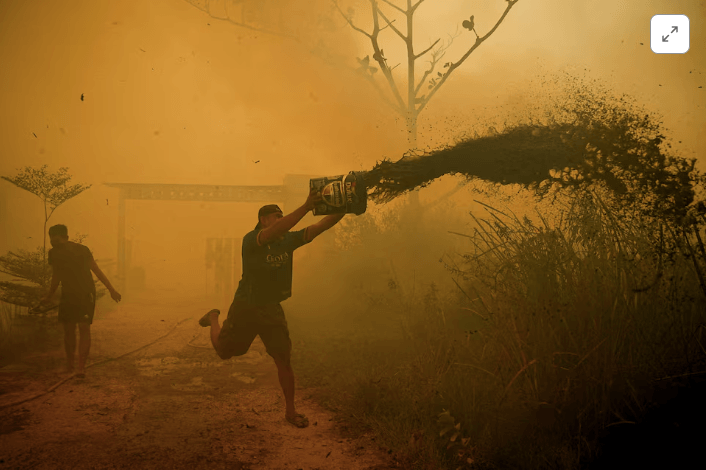


Jakarta: Wildfires in Indonesia’s Bangka Belitung province spread into a densely populated residential area, destroying 305 houses and forcing around 500 people to evacuate, according to the local disaster mitigation agency on Monday, October 12.
The fires affected at least 1,800 people in the province, located off the southeastern coast of Sumatra. No casualties had been reported in the incident, the agency said.
The blaze began on Saturday afternoon in Serdang village in South Bangka and continued until late Sunday. Strong winds helped the fire spread from forest and land areas into nearby residential settlements, where many houses were vulnerable because of their wooden construction.
The incident marks the first time this year that wildfires in Indonesia have reportedly caused damage to hundreds of houses. It comes as the country battles an intense wildfire season, with fires affecting large areas, particularly on the islands of Sumatra and Borneo.
Strong winds push fire into residential areas
According to the local disaster mitigation agency, strong winds were a major factor in the fire spreading into populated areas.
The blaze burned approximately 8.3 hectares (20.51 acres) of land, but its impact extended beyond the immediate fire zone as flames reached residential settlements.
The agency said the combination of strong winds, peatland terrain, limited water supplies and wooden houses made it difficult for firefighters to contain the blaze.
Peatland areas can present particular challenges during fires because vegetation and organic material beneath the surface may continue burning, while difficult terrain can complicate access for emergency crews.
In South Bangka, the spread of the fire into residential areas resulted in the destruction of 305 houses, leaving hundreds of residents in need of temporary shelter and assistance.
The disaster mitigation agency has been coordinating emergency measures as authorities respond to the damage and assess the needs of affected households.
Around 500 people evacuated
The fire affected at least 1,800 people, according to the agency. Around 500 residents were evacuated to nearby school buildings and a mosque as a precaution.
The evacuation was intended to move residents away from the advancing flames and provide temporary shelter while emergency operations continued.
Authorities also set up evacuation tents and a public kitchen to support people displaced by the fire. Food, drinking water and clothing were distributed to affected residents.
The loss of 305 houses is likely to create significant immediate needs for families who have lost their homes and belongings. Temporary accommodation and essential supplies are particularly important in the initial phase of a disaster, while authorities determine the extent of the damage and plan further assistance.
Although no casualties had been reported, the scale of the destruction highlights the risks posed when wildfires spread into densely populated communities.
Peatland, water shortages complicate firefighting
The disaster mitigation agency identified several factors that made the fire difficult to control.
Strong winds helped carry the flames into residential areas, while the peatland terrain presented additional challenges for firefighters. Limited water supplies also constrained efforts to suppress the blaze.
The use of wood in house construction increased the vulnerability of the affected settlements once the fire reached them.
These factors can combine to accelerate the spread of a fire and make it harder for emergency teams to protect homes. In densely populated areas, flames moving between buildings can also increase the scale of destruction.
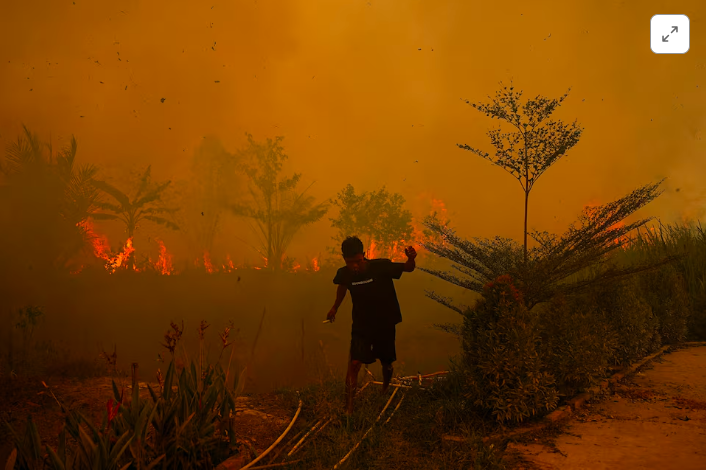
The agency’s response has included evacuation arrangements, temporary shelters and the distribution of basic necessities. Further assessment would be required to establish the full extent of the damage and the longer-term needs of displaced residents.
Indonesia faces an intense wildfire season
The South Bangka fire comes amid a difficult wildfire season across Indonesia.
The country has been battling its most intense wildfires in 11 years, with much of the activity concentrated on Sumatra and Borneo, according to the Reuters report.
From January through July 2026, fires burned approximately 202,000 hectares (499,153 acres) across Indonesia.
Non-governmental organisations have estimated that an additional 600,000 hectares or more may have burned in the months that followed. That additional figure is an estimate and should be distinguished from the area reported as burned during the January–July period.
The wider scale of the fires has raised concerns about damage to forests and land, risks to communities and the challenges facing emergency services during prolonged periods of fire activity.
The destruction in South Bangka also demonstrates how wildfires can move beyond forested or undeveloped areas and affect homes and community infrastructure.
Emergency relief underway for displaced families
Local authorities have established temporary arrangements for people evacuated from the affected settlements.
Evacuation tents and a public kitchen have been set up, while food, water and clothing have been distributed to residents.
The immediate priorities include ensuring that displaced families have shelter and essential supplies, assessing damage to homes and supporting residents who cannot return safely.
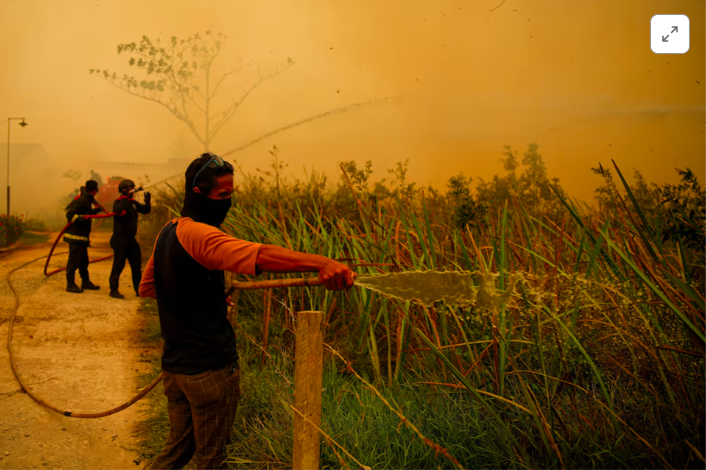
With 305 houses destroyed, the recovery effort may require more than short-term evacuation facilities. Families will need information about when they can return, what assistance is available and how damaged homes and belongings can be replaced.
The absence of reported casualties is a significant aspect of the initial assessment, but the destruction of homes has left a large number of people affected by the fire.
Wildfires highlight risks to residential communities
The South Bangka incident underscores the potential for forest and land fires to become humanitarian emergencies when they reach populated areas.
Strong winds, difficult terrain, water shortages and combustible building materials contributed to the challenges faced by firefighters in containing the blaze.
The destruction of 305 houses and the evacuation of around 500 people make the incident one of the most significant residential wildfire events reported in Indonesia this year.
The wider wildfire season has also affected extensive areas of land across the country, adding to the pressure on authorities working to control fires and limit their impact.
For residents of Serdang village and surrounding settlements, the immediate focus remains on shelter, essential supplies and recovery. Further official updates will be needed to establish the full extent of the damage and the assistance required by affected families.