







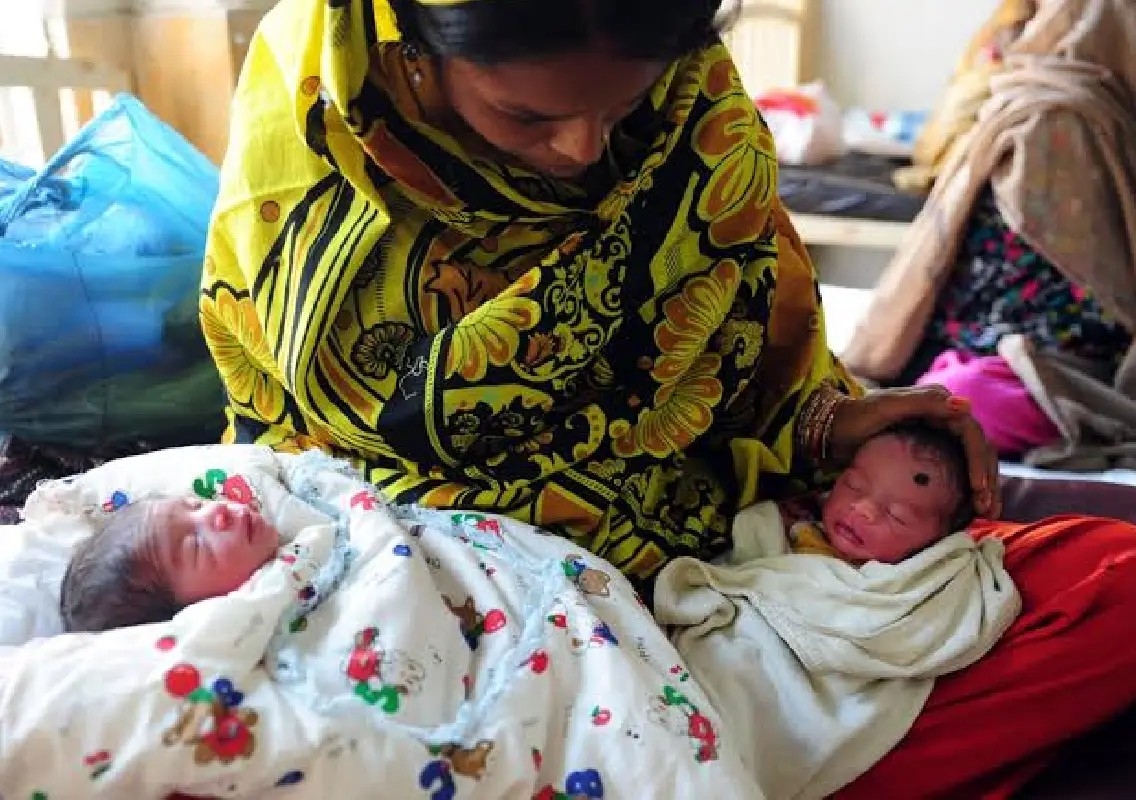


The deaths of 14 infants at a public hospital in Pakistan have renewed attention on the country’s healthcare challenges and raised questions about the conditions facing vulnerable families.
The incident has also drawn wider attention because it comes against the backdrop of Pakistan’s efforts to improve its international image and attract greater foreign investment and engagement.
Tragedy highlights healthcare concerns
The deaths have prompted scrutiny of the circumstances at the hospital and the broader healthcare system. Infant mortality remains a serious public-health concern in Pakistan, where access to quality maternal and newborn care varies significantly between regions and communities.
Such incidents can have consequences beyond the immediate loss of life. They can deepen public concerns about the availability of medical facilities, trained personnel, essential medicines and timely treatment for mothers and newborns.
For families, the loss of an infant is a deeply personal tragedy. For policymakers, however, repeated deaths of newborns can also point to weaknesses that require sustained attention rather than short-term responses.
Global image faces difficult questions
An analysis published by Nikkei Asia argues that incidents involving infant deaths can expose difficult realities behind a country’s international image.
Pakistan has sought to present itself as a country with opportunities for investment, tourism and economic cooperation. However, persistent challenges in healthcare, poverty and public services remain part of the country’s domestic reality.
The issue is particularly significant as Pakistan continues to seek international support for economic development. Improvements in basic healthcare and social services could play an important role in strengthening public confidence and demonstrating progress.
The deaths of the infants therefore raise questions not only about one hospital but also about the wider responsibility of authorities to ensure that newborns receive safe and timely medical care.