







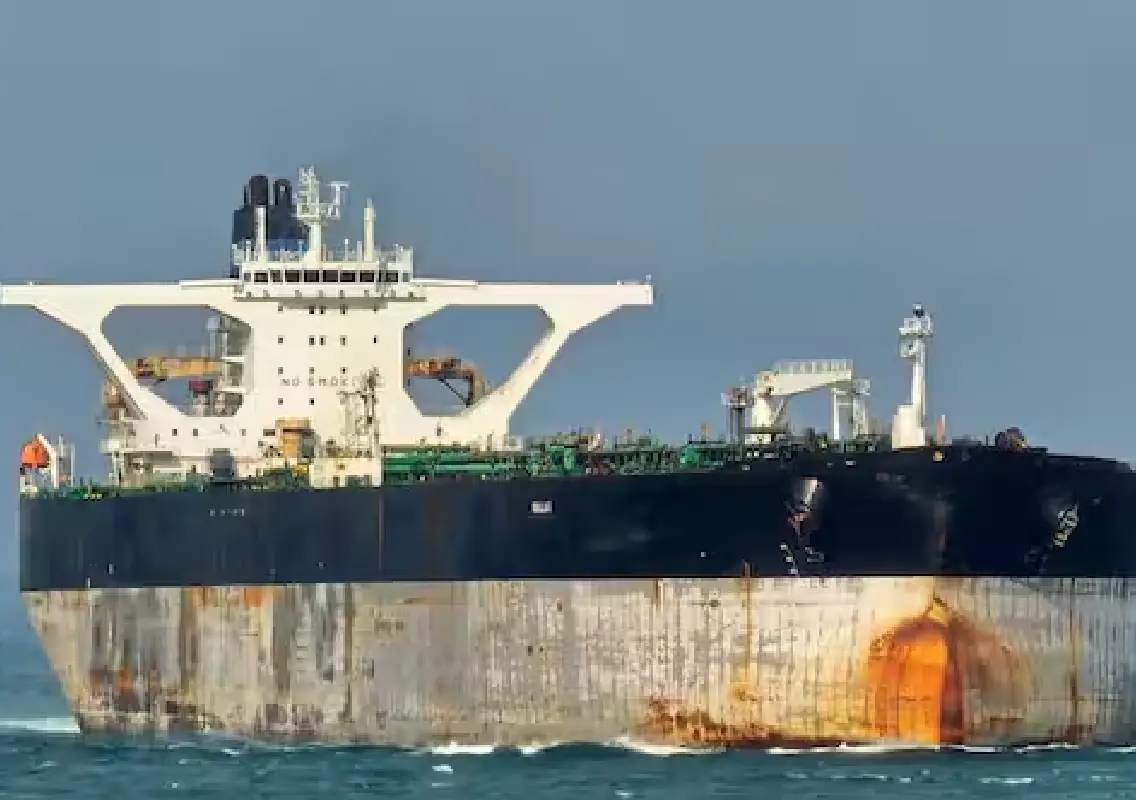


S. Jaishankar, India’s External Affairs Minister, held discussions with Abbas Araghchi, Iran’s Foreign Minister, following which Iran allowed Indian oil tankers to pass through the Strait of Hormuz, one of the world’s most important maritime oil routes.
The diplomatic engagement aimed to ensure that the crucial shipping corridor remains open for Indian vessels transporting crude oil and natural gas.
Ensuring uninterrupted energy supply
The Strait of Hormuz is a vital maritime passage connecting major oil-producing nations in West Asia to global markets. A significant portion of the world’s oil and liquefied natural gas shipments pass through the narrow waterway.
India relies heavily on energy imports from the region, making uninterrupted access to the route essential for the country’s energy security.
Following the talks between Jaishankar and Araghchi, Iranian authorities allowed Indian oil tankers to continue transit through the strategic corridor.
Restrictions on some Western-linked vessels
Reports indicate that ships linked to the United States, Europe, and Israel are currently facing restrictions while passing through the route due to ongoing regional tensions.
The situation has raised concerns globally about the potential impact on international shipping and energy supplies.
Diplomatic consultations with global leaders
Apart from engaging with Iran, Jaishankar also spoke with Sergey Lavrov, Foreign Minister of Russia, and Jean-Noël Barrot, Foreign Minister of France, regarding the developments.
The discussions focused on maintaining stability in the region and ensuring that global energy supply routes remain open.
Strategic importance of the Strait
The Strait of Hormuz remains one of the most strategically sensitive maritime passages in the world.
Any disruption in shipping through the route could significantly affect global energy markets and trade flows.
India’s diplomatic engagement with regional and international partners highlights its efforts to safeguard its energy imports while contributing to stability in the region.