







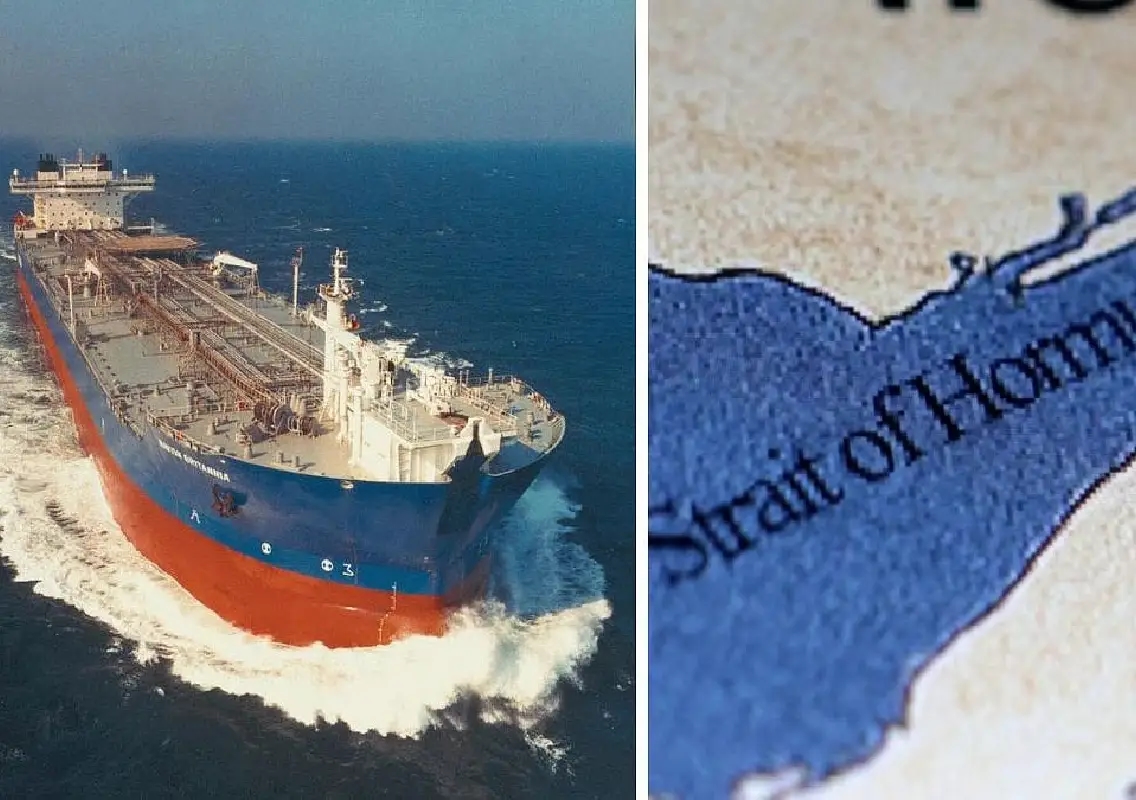


The escalating conflict involving Iran, Israel and the United States has left over 23,000 Indian seafarers stranded near the Strait of Hormuz, one of the world’s most critical maritime oil routes.
According to officials, around 36–37 Indian-linked ships with nearly 1,000–1,100 crew members are currently operating in the Persian Gulf region but are unable to move freely due to heightened security risks and disrupted shipping routes.
Strategic shipping route under threat
The crisis escalated after Iran reportedly restricted passage through the Strait of Hormuz following US and Israeli strikes on its nuclear and military sites.
The narrow waterway connects the Persian Gulf with the Gulf of Oman and carries a significant portion of the world’s oil shipments.
For India, the disruption poses serious concerns as nearly 46 percent of its crude oil imports pass through this route.
The ships affected are transporting commodities such as crude oil, LPG and other cargo across the Persian Gulf and the Gulf of Oman.
Fatal attack on oil tanker
The situation turned tragic on March 1 when a missile strike hit the Palau-flagged oil tanker Skylight near Oman.
Two Indian sailors — Captain Ashish Kumar from Bihar and crew member Dalip Singh from Rajasthan — were killed in the attack while working in the engine room.
Seventeen other crew members were reportedly rescued.
Families of the victims and other seafarers are now anxiously waiting for updates as the government coordinates emergency assistance.
India steps up monitoring
India has stepped up its response to ensure the safety of its sailors.
Sarbananda Sonowal, Union Minister for Ports, Shipping and Waterways, held an emergency meeting to review the situation.
Authorities have set up a Quick Response Team and raised maritime security to Level-3, the highest alert for merchant vessels.
Ships are now required to send updates every hour instead of every six hours, enabling closer monitoring.
The Directorate General of Shipping (India) is maintaining regular contact with ship crews and shipping companies.
Global shipping and oil markets impacted
The disruption has already pushed up global oil prices and forced many vessels to consider longer routes around Africa, significantly increasing shipping costs.
Iran has warned that vessels linked to the US, Israel or allied nations could face attacks if they attempt to pass through the strait.
As hostilities continue, the crisis is expected to test both global energy supply chains and maritime security, while India closely monitors the safety of thousands of its sailors working in the region.