







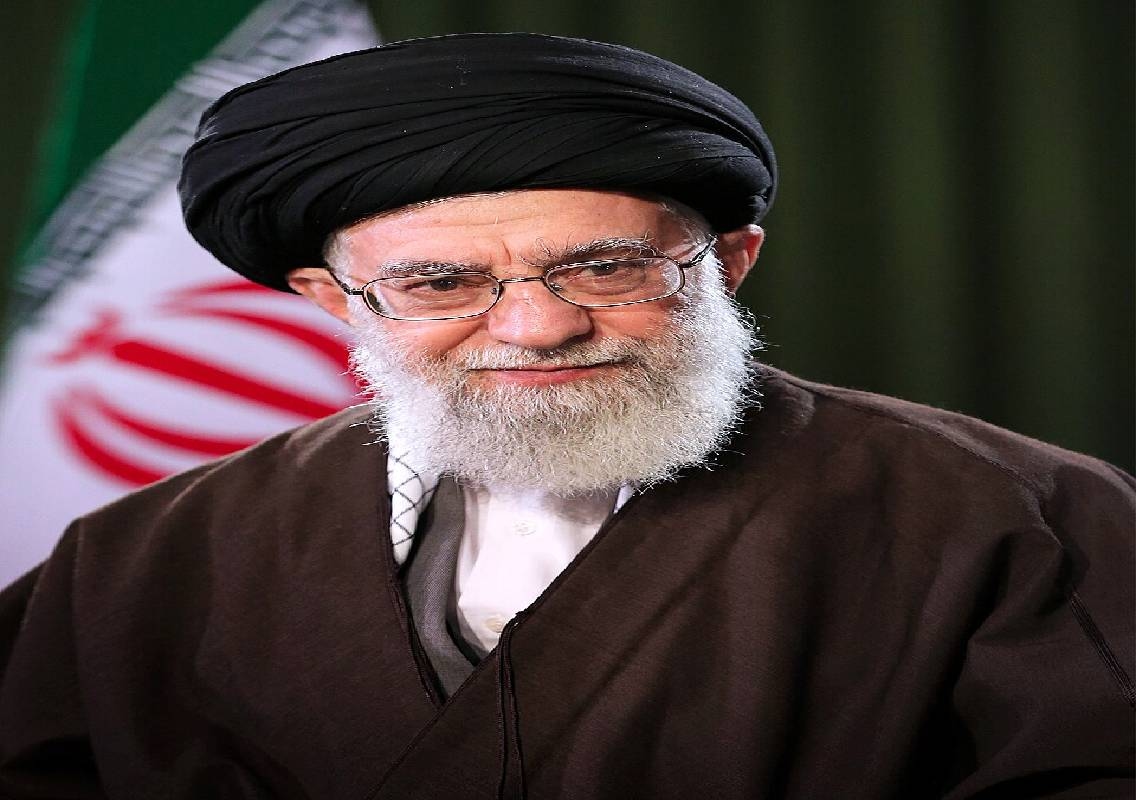


DUBAI: Iran is preparing an extensive week-long mourning programme for Supreme Leader Ayatollah Ali Khamenei following his death in US and Israeli strikes, with authorities planning mass funeral processions across multiple cities in an effort to demonstrate national unity and support for the Islamic Republic.
The funeral ceremonies are expected to begin over the weekend in Tehran before moving to the religious cities of Qom and Mashhad. Commemorative events are also scheduled in Iraq’s Shi’ite holy cities of Najaf and Karbala, where regional leaders and supporters are expected to gather.
The state-organised ceremonies come at a politically sensitive moment, as Iran transitions to new leadership following Khamenei’s death during the recent conflict.
Nationwide funeral ceremonies planned
Iranian authorities have announced an elaborate funeral schedule spanning several days.
According to state media, Khamenei’s remains will first be taken to a mosque in Tehran before a large public procession through the capital.
Subsequent ceremonies are planned in:
- Tehran – Initial funeral prayers and public procession
- Qom – Religious ceremonies at Iran’s leading Shi’ite seminary
- Najaf and Karbala (Iraq) – Memorial events attended by regional Shi’ite figures
- Mashhad – Final burial near the shrine of Imam Reza
Officials have mobilised transport services, accommodation and public facilities to facilitate attendance by mourners travelling from across the country.
Hotels have reportedly offered discounted accommodation, while schools, mosques and sports complexes have been converted into temporary lodging facilities.
Authorities seek show of national unity
Iran’s leadership has presented the funeral ceremonies as an opportunity to demonstrate continued public support for the Islamic Republic despite the recent conflict.
Senior clerics have called for a large public turnout, describing the funeral as a symbolic reaffirmation of the country’s revolutionary ideals.
Black mourning flags have been displayed across major cities, while banners featuring Khamenei and his successor, Mojtaba Khamenei, have appeared in Tehran ahead of the ceremonies.
The symbolism reflects the important place of martyrdom within Shi’ite Islam, where public mourning processions hold deep religious and political significance.
Leadership transition underway
The funeral comes as Iran undergoes one of the most significant political transitions since the 1979 Islamic Revolution.
Following Ayatollah Ali Khamenei’s death, his son Mojtaba Khamenei has assumed the position of Supreme Leader.
According to reports, Mojtaba was seriously injured in the same strike that killed his father and has not appeared publicly since the conflict began.
The leadership transition marks only the third Supreme Leader in the Islamic Republic’s history after Ayatollah Ruhollah Khomeini and Ayatollah Ali Khamenei.
Public sentiment remains divided
While authorities expect millions to participate in the official mourning events, analysts say public opinion inside Iran remains deeply divided.
Years of international sanctions, economic hardship and political unrest have eroded support for the government among sections of the population.
Iran has witnessed repeated anti-government protests in recent years over inflation, unemployment and restrictions on civil liberties.
Some residents reportedly chose to leave Tehran during the mourning period rather than participate in official ceremonies, while others have expressed support for the state’s calls for unity.
Political observers note that the government’s ability to mobilise large crowds does not necessarily reflect unanimous public support, given the highly organised nature of state-sponsored events.
Religious significance of the funeral
In Iran’s political system, the Supreme Leader is both the country’s highest political authority and the most senior religious figure.
Khamenei’s death during military conflict has been portrayed by Iranian authorities as martyrdom, a concept that carries profound significance within Shi’ite Islam.
State media have repeatedly linked his death to the historical martyrdom of Imam Hossein, one of the most revered figures in Shi’ite tradition.
The funeral processions are therefore expected to combine religious rituals with expressions of political loyalty to the Islamic Republic.
Tight security measures in place
Authorities have announced extensive security arrangements throughout the mourning period.
Temporary airspace restrictions have reportedly been imposed over Tehran and several other cities as a precautionary measure.
Officials have also warned of a strong response should fresh attacks occur during the funeral events.
Security personnel, including members of the Revolutionary Guards and Basij militia, are expected to maintain a significant presence at major gatherings.
Foreign delegations from countries including Russia and China are also expected to attend official condolence ceremonies.
Conclusion
The week-long mourning ceremonies for Ayatollah Ali Khamenei represent both a religious observance and a major political event for Iran. While authorities hope the funeral will project unity and resilience following the recent conflict, the ceremonies also take place against the backdrop of economic challenges, political divisions and a historic leadership transition. The scale of public participation is likely to be closely watched both within Iran and internationally as the country enters a new chapter under Supreme Leader Mojtaba Khamenei.