







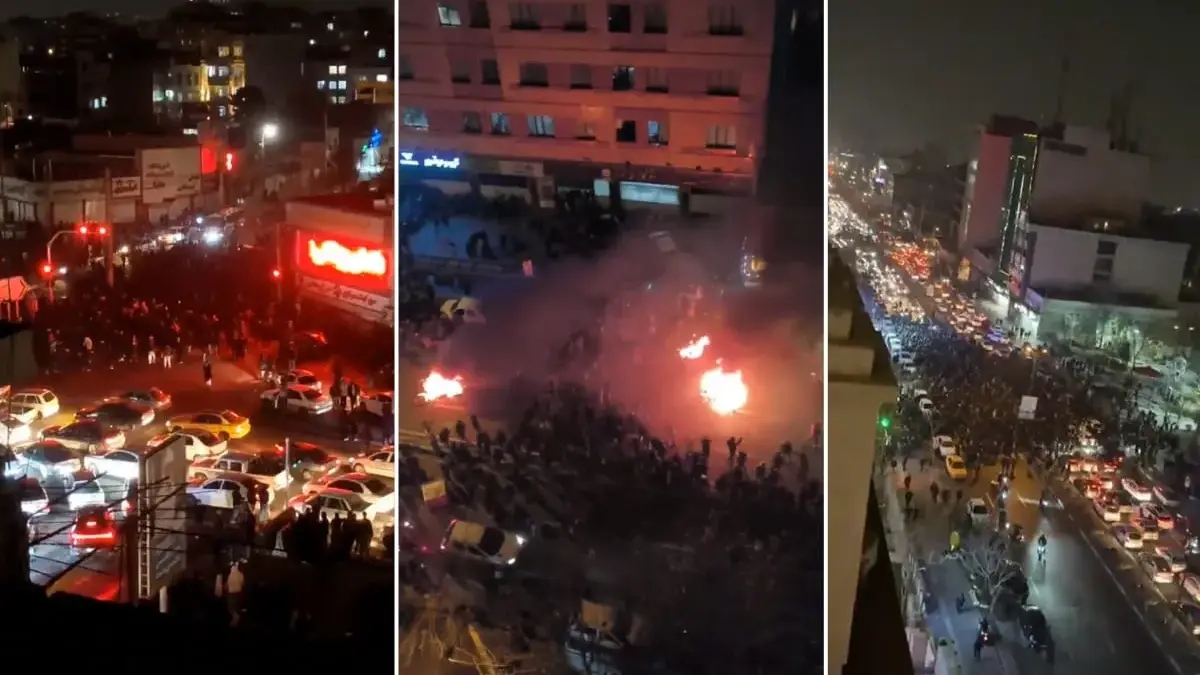


Iran has been hit by a near-total nationwide internet blackout as anti-government protests spread across the country, severely restricting communication and access to information. Independent internet monitoring groups report that connectivity has dropped to a tiny fraction of normal levels, pointing to an intentional shutdown by authorities rather than a technical failure.
NetBlocks confirms severe nationwide disruption
Global internet watchdog NetBlocks said the blackout has persisted for over 36 to 48 hours, with overall connectivity falling below two per cent of ordinary levels. Experts described the move as a centrally imposed “internet kill switch”, aimed at limiting protest coordination and preventing images and videos of unrest from reaching the outside world.
Alp Toker, CEO of NetBlocks, said the disruption ranks among the most severe ever recorded in Iran. He noted that the shutdown affects almost all services, including mobile networks, fixed-line internet and even essential systems such as banking.
Rights groups allege violent crackdown
The blackout comes amid escalating demonstrations challenging Iran’s theocratic leadership, fuelled by a deepening economic crisis, soaring inflation and the collapse of the Iranian rial. According to the Associated Press, at least 116 people have been killed so far in connection with the unrest.
Amnesty International said security forces have responded with excessive force, accusing them of unlawfully firing at protesters, carrying out mass arrests and violently suppressing dissent.
Attempts to block information flow
Observers fear authorities may also attempt to interfere with satellite signals to prevent footage of the protests from being transmitted abroad. While satellite internet services such as Starlink are technically possible, the equipment remains banned in Iran, and access is tightly monitored.
Human rights groups say similar shutdowns were imposed during major protests in 2019 and 2022, including demonstrations sparked by the death of Mahsa Amini. However, analysts say the current blackout appears even more extreme, suggesting heightened concern within the regime over the scale of the unrest.
With internet access and phone lines cut, assessing the full extent of protests and arrests has become increasingly difficult.