







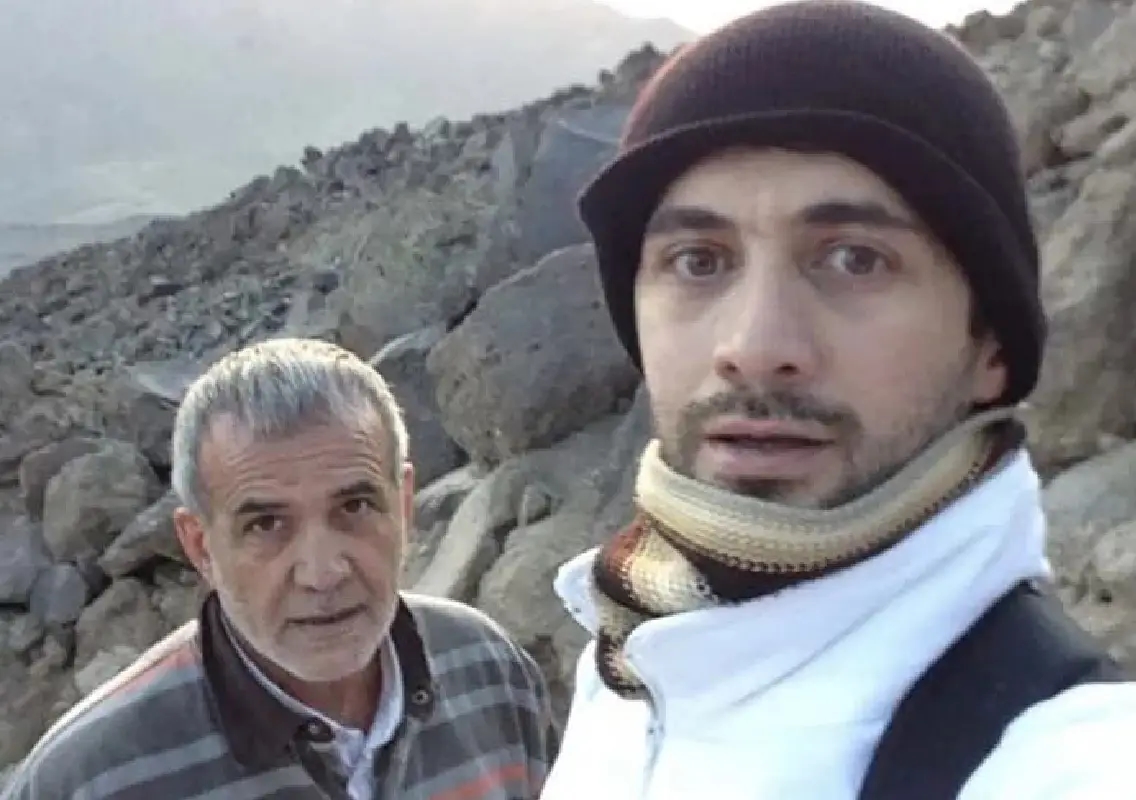


In a rare and deeply personal glimpse into life during conflict, Yousef Pezeshkian, son of Masoud Pezeshkian, has been sharing a diary on social media that reflects both the emotional toll of war and the internal debates within Iran.
A diary from within power circles
Unlike official narratives, Yousef’s writings present the perspective of someone close to power yet removed from decision-making. A 45-year-old physics professor, he admits he has no access to state secrets and relies on television and social media for updates.
His entries describe everyday life in Tehran, where the contrast between natural beauty and the sounds of missiles creates a haunting reality. In one reflection, he writes about pleasant spring weather interrupted by missile sounds, wishing for a peaceful walk with his family.
Questions over war strategy
Yousef’s diary also highlights internal questions about the war’s direction. He raises concerns about how long Iran can sustain the conflict and whether its military resources will outlast its adversaries.
He openly discusses uncertainties: how many months Iran’s missile stockpile can support fighting, and whether endurance will determine the outcome. His reflections reveal that even supporters of the government are grappling with doubts.
Frustration, loyalty and public sentiment
Despite expressing frustration over internet blackouts and censorship, Yousef remains firmly loyal to his father’s leadership. He defends Iran’s actions and questions narratives from the United States and Israel, reflecting sentiments shared by many government supporters.
He also supports his father’s controversial apology to Gulf nations, calling it an “ethical duty” and acknowledging the importance of maintaining regional relationships after the conflict.
Personal grief behind political resolve
Beyond politics, the diary reveals deeply human moments. One entry recounts how a friend’s home was destroyed after a dream foreshadowed the attack. Another captures Yousef breaking down after visiting his grandmother, who was unaware of key war developments.
“Nothing is normal,” he writes after leaving her home, admitting that the emotional strain of war finally brought him to tears after nearly three weeks.
A rare window into wartime reality
In a tightly controlled society, Yousef Pezeshkian’s diary offers a rare, unfiltered view of how war impacts both individuals and national morale. His writings bridge the gap between state narratives and lived experiences, revealing a society balancing resilience, fear, and uncertainty.