







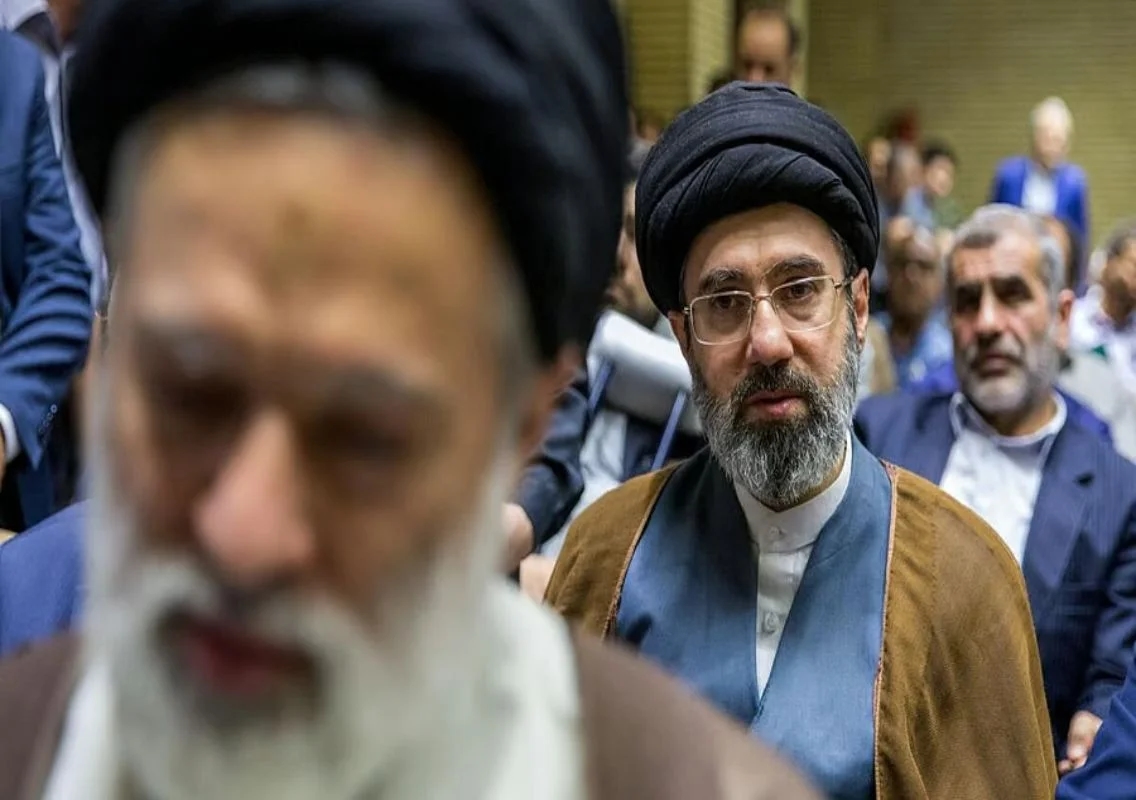


Tehran: Iran’s Supreme Leader Mojtaba Khamenei has rejected proposals for a ceasefire with the United States, signalling a hardline stance as the ongoing Iran-Israel War enters a critical phase.
According to a senior Iranian official quoted by Reuters, proposals aimed at reducing tensions were conveyed to Tehran through two intermediary countries. However, Khamenei reportedly dismissed these efforts, stating that it was “not the right time for peace”.
Strong stance in first policy signals
In what is described as his first foreign policy session since assuming leadership, Mojtaba Khamenei adopted an uncompromising position towards both the United States and Israel. The official indicated that his approach was “very tough and serious”, reflecting a continuation—and possible intensification—of Iran’s strategic posture in the region.
The Supreme Leader reportedly stated that peace would not be considered until the United States and Israel were “brought to their knees, accept defeat, and pay compensation”. The remarks underscore a sharp escalation in rhetoric amid intensifying hostilities.
While it remains unclear whether Khamenei attended the meeting in person, the messaging signals a clear rejection of diplomatic de-escalation at this stage.
Escalation across the Gulf region
The conflict has now entered its third week, with Israel and Iran continuing to exchange strikes. In recent developments, Iranian forces have also targeted US military positions across the Gulf region, expanding the scope of the conflict beyond bilateral hostilities.
The widening of the conflict has raised concerns among global powers about the potential for a broader regional war, particularly given the strategic importance of energy routes and military bases in West Asia.
Khamenei, in a statement read on state television earlier, vowed retaliation for what he described as the killing of Iranian “martyrs”. He also warned of potential actions including the closure of the Strait of Hormuz and attacks on US bases in the region.
The Strait of Hormuz is one of the world’s most critical oil transit chokepoints, and any disruption could have far-reaching consequences for global energy markets, including India, which relies heavily on oil imports from the region.
Leadership transition and rising tensions
Mojtaba Khamenei’s statements come shortly after he succeeded his father, Ali Khamenei, whose reported death in recent strikes has not been independently confirmed by all international sources.
The leadership transition appears to have coincided with a sharp escalation in military and political tensions. Analysts suggest that the new leadership may be seeking to consolidate its position domestically while projecting strength internationally.
The rejection of ceasefire proposals also indicates that backchannel diplomacy, often used to de-escalate conflicts in the region, has so far failed to yield results.
Global implications and diplomatic concerns
The developments have triggered concern among global stakeholders, with fears that continued escalation could destabilise the broader West Asian region. The involvement of the United States, alongside Israel and Iran, has significantly raised the stakes.
Diplomatic observers note that prolonged conflict could impact global oil prices, shipping routes, and regional security dynamics. Countries like India are closely monitoring the situation due to their economic and strategic interests in the Gulf.
Despite international appeals for restraint, Iran’s latest position suggests that a near-term ceasefire remains unlikely.
Conclusion
Iran’s rejection of ceasefire proposals marks a critical moment in the ongoing conflict, signalling that tensions are set to persist or even intensify in the coming days. With strong rhetoric from its new Supreme Leader and continued military engagements across the region, prospects for immediate peace appear limited.
As the situation evolves, the international community will be watching closely for any shifts in strategy or renewed diplomatic efforts that could help de-escalate one of the most serious geopolitical crises in recent times.