









Tehran : Iran has strongly rejected the prospect of surrendering to the United States, with senior military officials describing the idea as a “futile dream” as the confrontation between the two countries continues to escalate.
The remarks came amid renewed tensions around the strategically important Strait of Hormuz, where Iran’s Islamic Revolutionary Guard Corps (IRGC) claimed that its naval forces had attacked a US-operated unmanned vessel. The United States, however, rejected the claim and described it as false.
The latest developments have added another layer of uncertainty to an already volatile conflict, with military activity, economic pressure and diplomatic efforts continuing simultaneously.
Iran rejects surrender demands
Iranian military and political leaders have repeatedly ruled out unconditional surrender to Washington. Senior commander Ali Abdollahi reportedly dismissed the prospect as a “futile dream”, signalling that Tehran intends to continue resisting US pressure rather than accept demands for capitulation.
The rejection comes as the United States continues to apply military and economic pressure on Iran. Washington has sought to weaken Iran’s military capabilities and restrict its ability to generate revenue from oil exports, while also pressing Tehran over its nuclear programme and its control of shipping routes around the Gulf.
Iran, meanwhile, has maintained that it will respond to further attacks and has refused to accept arrangements that it believes compromise its sovereignty or strategic interests.
The opposing positions have made it difficult to revive a durable diplomatic settlement despite continued mediation efforts.
Disputed incident in Strait of Hormuz
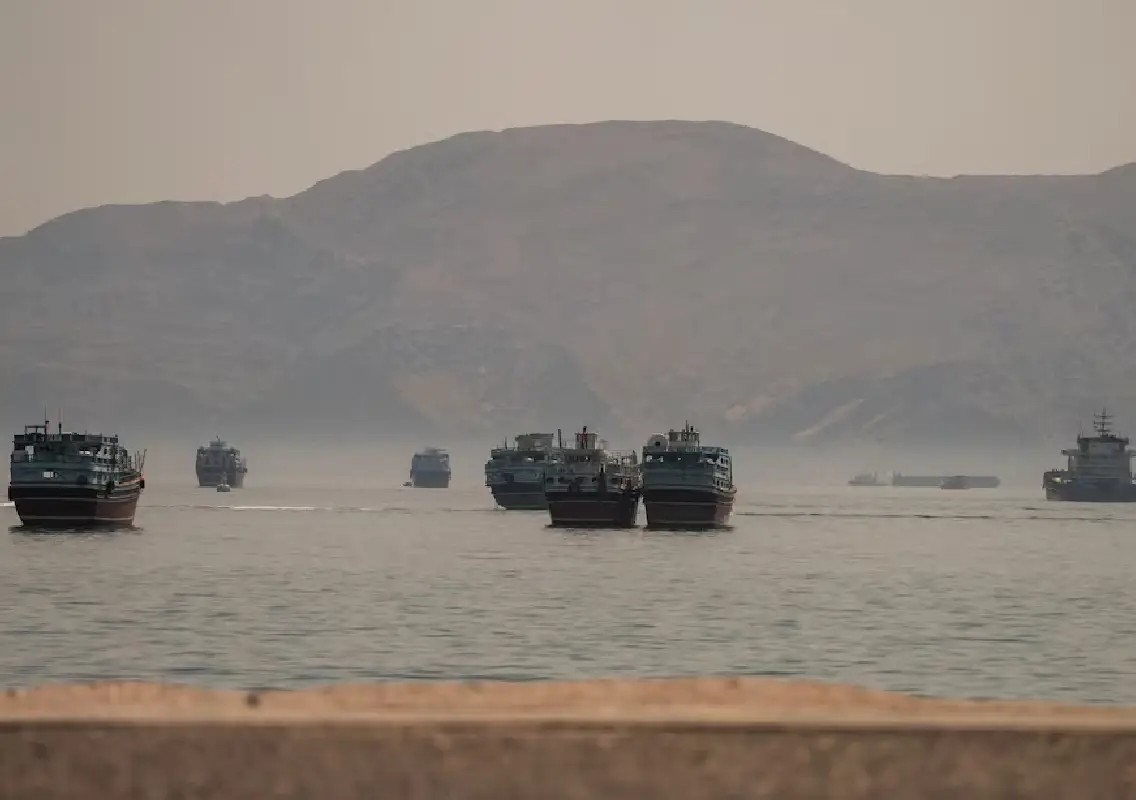
The Strait of Hormuz remains at the centre of the confrontation because of its importance to global energy and commercial shipping.
Iranian state media reported that IRGC naval forces had struck a US-operated drone boat after it attempted to enter the strategic waterway. The allegation was promptly rejected by the US military, which said no such successful attack had taken place and described the Iranian account as a “total lie”.
The conflicting accounts could not be independently verified immediately, highlighting the difficulties involved in establishing facts during an active military confrontation.
The incident nevertheless underscores the risks facing military and commercial vessels operating around the waterway. Any confrontation involving unmanned craft, naval vessels, missiles or mines could have consequences extending well beyond the immediate participants.
The United States has been carrying out naval operations intended to keep shipping routes open, while Iran has sought to maintain leverage over access through the strait.
Economic pressure increases on Tehran
Alongside military confrontation, Iran is facing growing economic pressure.
Reuters reported that intensified US sanctions and restrictions on Iranian oil exports have significantly reduced Tehran’s ability to sell crude and obtain foreign currency. The pressure has affected state revenues, supply chains and the wider Iranian economy.
Despite the economic strain, Iranian officials have continued to reject the idea that outside pressure should determine the country’s economic or political decisions.
Iranian leaders have also warned that further attacks could result in stronger retaliation. Officials have discussed measures affecting the Strait of Hormuz, including plans for a restricted maritime zone and penalties for unauthorised entry.
The developments have kept international attention focused on the waterway, through which a substantial share of global energy supplies traditionally passes.
Diplomatic efforts remain uncertain
The latest escalation comes despite continuing efforts to find a diplomatic way out of the conflict.
US Energy Secretary Chris Wright said Washington might not reach a new nuclear agreement with Iran under the present circumstances. He indicated that negotiations remained difficult and suggested that a future Iranian administration could potentially be involved in any eventual agreement.
The United States has also maintained that military pressure may be necessary to prevent Iran from developing nuclear weapons, while Iran has continued to resist demands it considers unacceptable.
The two sides therefore remain separated by major disagreements over sanctions, Iran’s nuclear programme, military capabilities and the future of the Strait of Hormuz.
Hormuz remains a major flashpoint
The strategic importance of the Strait of Hormuz means that developments there have implications for countries far beyond the Middle East.
The waterway is one of the world’s most important energy transit routes, and prolonged disruption can affect oil prices, shipping costs and global supply chains. The continuing uncertainty has already encouraged greater caution among shipping companies and increased concerns about the security of vessels travelling through the region.
Recent reports have also highlighted US efforts to clear potential maritime mines and protect shipping routes, demonstrating the complexity of maintaining safe navigation in the area.
For Iran, control and influence around the strait remain an important source of strategic leverage. For Washington, keeping the waterway accessible is central to its broader military and economic objectives.
No immediate end to confrontation
Iran’s rejection of surrender calls suggests that an immediate end to the confrontation remains unlikely.
While diplomatic channels have not completely closed, the continuing military exchanges and competing claims over incidents at sea show how fragile the situation remains. Both countries appear determined to maintain their respective positions while attempting to strengthen their leverage in any future negotiations.
For now, the Strait of Hormuz remains one of the most closely watched flashpoints in the region. Any further confrontation involving American or Iranian naval forces could quickly affect not only the two countries but also global energy markets and international shipping.
The coming days are therefore likely to remain critical, with the possibility of further military escalation existing alongside efforts to find a diplomatic settlement.