









Tehran: Iran has said it has no plans to resume negotiations with the United States, with officials stating that Washington is “not learning its lessons” and lacks seriousness in diplomacy.
The statement came from Iran’s Foreign Ministry spokesperson Esmaeil Baghaei on Monday, following reports of a possible second round of talks between the two nations. He clarified that there is currently no plan for further negotiations, signalling a setback in efforts to ease tensions.
No agreement after Islamabad talks
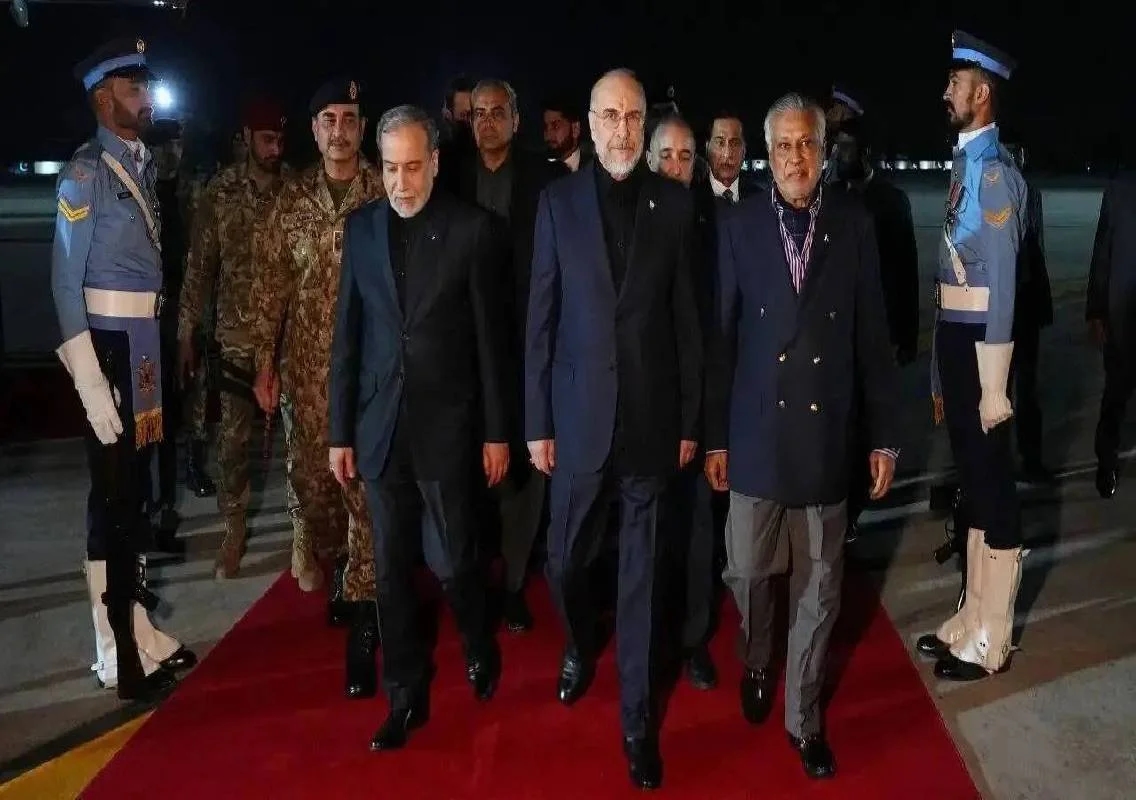
The development follows rare direct talks held earlier this month in Islamabad, where delegations from both countries met on April 11 and 12. The discussions, aimed at resolving longstanding conflicts, ended without any agreement.
Despite initial expectations of a follow-up round, Iranian officials have now indicated that they will not send a delegation for further talks. Iranian media also dismissed reports of upcoming negotiations as “false”.
Baghaei emphasised that Iran does not respond to deadlines or ultimatums and will prioritise its national interests. He added that past experiences with the US have not yielded constructive outcomes, reinforcing Tehran’s cautious stance.
US pushes for renewed negotiations
Earlier, Donald Trump had announced that American representatives would travel to Islamabad for another round of negotiations. In a public statement, he said US officials were prepared to continue discussions in an effort to reach a deal.
The proposed delegation reportedly included senior figures such as JD Vance, who led the initial talks, along with Jared Kushner and Steve Witkoff.
Trump also warned of potential consequences if an agreement was not reached, including threats targeting infrastructure such as bridges and power facilities in Iran. These remarks have further strained the already fragile diplomatic environment.
Iran questions US intentions
Iranian Foreign Minister Abbas Araghchi criticised Washington’s approach, alleging “bad intentions” and a lack of commitment to genuine diplomacy.
In discussions with Ishaq Dar, Araghchi pointed to US demands and warnings directed at Iranian ports and shipping as signs of insincerity. According to Iranian state media, he described these actions as undermining trust between the two sides.
The Iranian leadership has maintained that meaningful dialogue can only take place in an environment free of pressure and threats.
Regional context and diplomatic uncertainty
The talks in Islamabad were seen as a rare attempt to reduce tensions between the two countries, which have had a strained relationship for decades. However, the lack of progress and subsequent statements from Tehran suggest that diplomatic efforts may remain stalled in the near term.
Notably, there was no reference to a second round of talks in recent communication between Shehbaz Sharif and Masoud Pezeshkian, further indicating uncertainty around future negotiations.
Conclusion
Iran’s decision to rule out further talks with the United States highlights the deep mistrust that continues to define relations between the two nations. With both sides maintaining firm positions, prospects for immediate diplomatic progress appear limited, raising concerns about continued tensions in the region.