







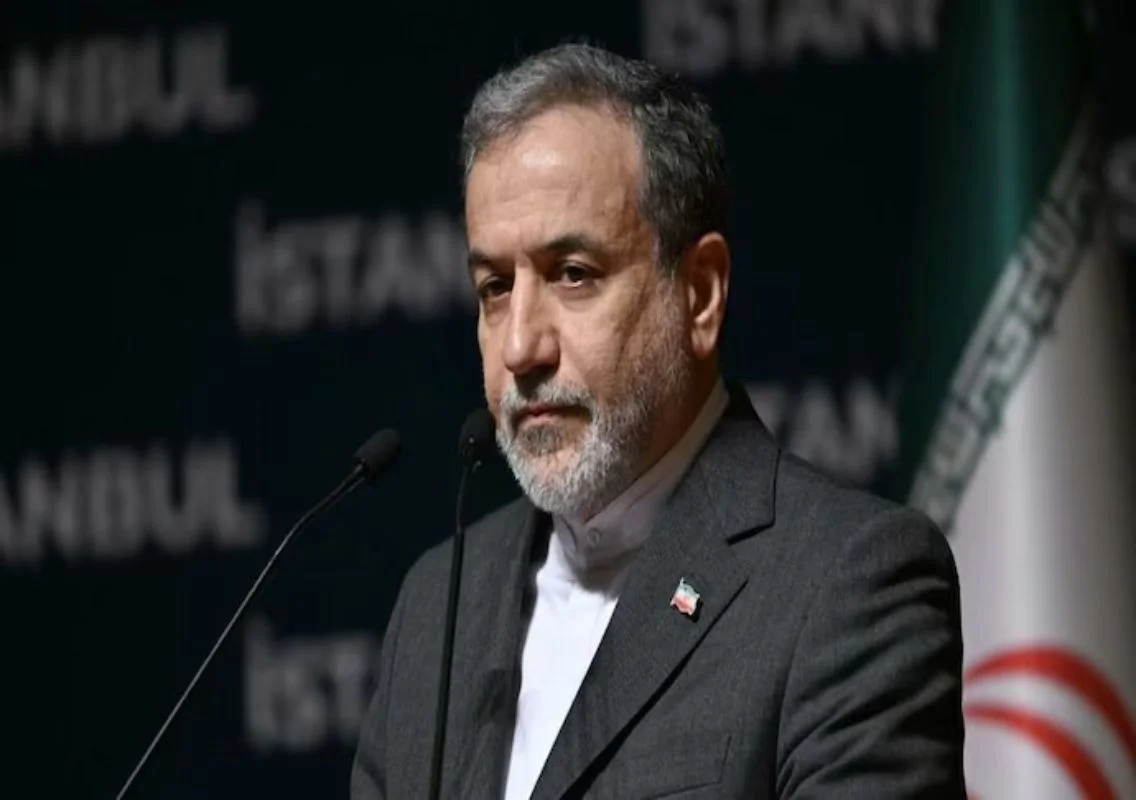


Tehran: Abbas Araghchi has declared that Iran will continue its confrontation with the United States and Israel following the killing of senior leader Ali Larijani in an airstrike.
Strong response from Iran
Calling the conflict “America’s war,” Araghchi said the loss of individual leaders would not weaken Iran’s political or economic system.
“The presence or absence of a single individual does not affect Iran’s structure,” he said in an interview, signalling continuity in Tehran’s stance despite escalating tensions.
Killing of key leader
Ali Larijani, a powerful figure in Iran’s political establishment and head of the Supreme National Security Council, was killed in an airstrike near Tehran along with members of his family and security team, according to Iranian authorities.
The incident marks a significant escalation in the ongoing conflict.
Reference to Supreme Leader’s death
Araghchi also referred to the earlier killing of Ali Khamenei in a reported joint strike, stating that even such a loss had not disrupted the functioning of the Iranian system.
Iran has since seen the emergence of Mojtaba Khamenei as the new Supreme Leader, though his stance on key policies remains unclear.
Nuclear policy unchanged
On the issue of nuclear weapons, Araghchi said Iran’s position remains largely unchanged.
He reiterated that Tehran does not seek nuclear weapons, a stance previously reinforced by a religious decree issued by Ali Khamenei, even as Western nations continue to express concerns over Iran’s nuclear ambitions.
Strait of Hormuz tensions
Iran has also taken a strong position on the Strait of Hormuz, a critical global energy route.
Araghchi said Iran is pushing for a new regional protocol to govern the strait after the conflict ends. Meanwhile, Tehran has reportedly restricted oil movement through the passage, escalating global energy concerns.
The strait handles a significant portion of the world’s oil and gas shipments, making the situation highly sensitive for global markets.
US and allies’ response
The United States has been exploring the formation of a naval coalition to secure shipping routes in the region, though several allies have shown reluctance to engage directly in military operations.
Conditions for ending conflict
Araghchi stated that any resolution to the conflict would require compensation for damages suffered by Iran since late February, indicating that negotiations may hinge on economic and political concessions.
Conclusion
With strong rhetoric, leadership losses, and rising tensions in critical regions like the Strait of Hormuz, the situation underscores a deepening geopolitical crisis with significant global implications.