







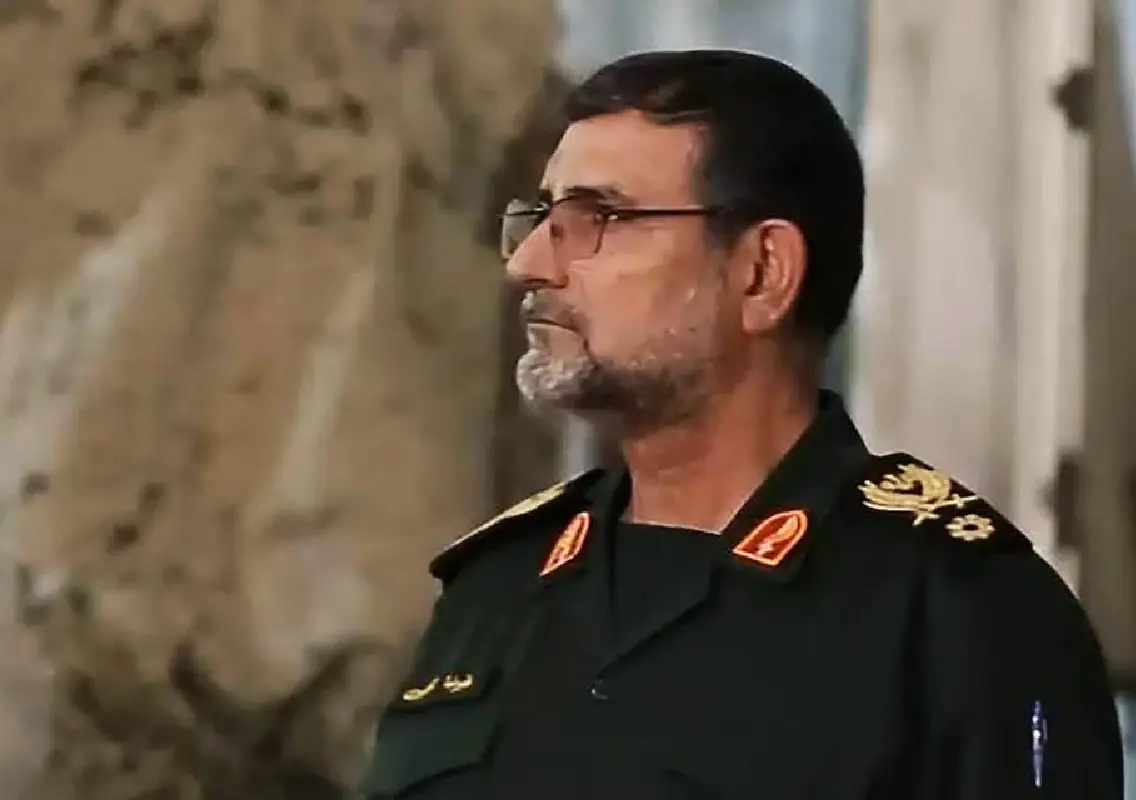


The US Central Command has confirmed the death of Alireza Tangsiri, a senior Iranian naval commander, following an Israeli strike in Bandar Abbas near the strategically vital Strait of Hormuz.
Strike and confirmation
US Admiral Brad Cooper confirmed the killing in a statement, describing Tangsiri as a hardline figure and stating that his death would make the region “safer”. He also warned that US military operations targeting the Islamic Revolutionary Guard Corps Navy (IRGC-N) would continue.
Authorities have called on Iranian personnel serving in the IRGC-N to step away from active duty to avoid further risks amid escalating tensions.
Key figure in Iran’s naval strategy
Tangsiri, who led the IRGC Navy since 2018, was considered a central figure in Iran’s maritime strategy. A veteran of the Iran–Iraq War, he played a major role in expanding Iran’s fleet of fast-attack craft, drones, and anti-ship missile systems.
Western governments had previously accused him of orchestrating aggressive actions against commercial vessels in the Gulf, including harassment and attacks using drones and missiles.
Strategic implications for the region
The Strait of Hormuz, located near Bandar Abbas, remains one of the world’s most critical oil transit routes. Analysts say the killing of a senior commander like Tangsiri could have significant implications for regional security and global energy supply chains.
According to US officials, the strike forms part of ongoing operations targeting Iranian military capabilities, with claims that a large portion of Iran’s naval assets have been weakened in recent weeks.
Rising tensions and uncertainty
Tangsiri’s death is among several reported losses of senior Iranian figures amid escalating US-Israel military actions. Officials have suggested that these developments could impact Iran’s ability to project power in the region.
However, the situation remains fluid, with concerns over further escalation and its potential impact on international shipping and geopolitical stability.