







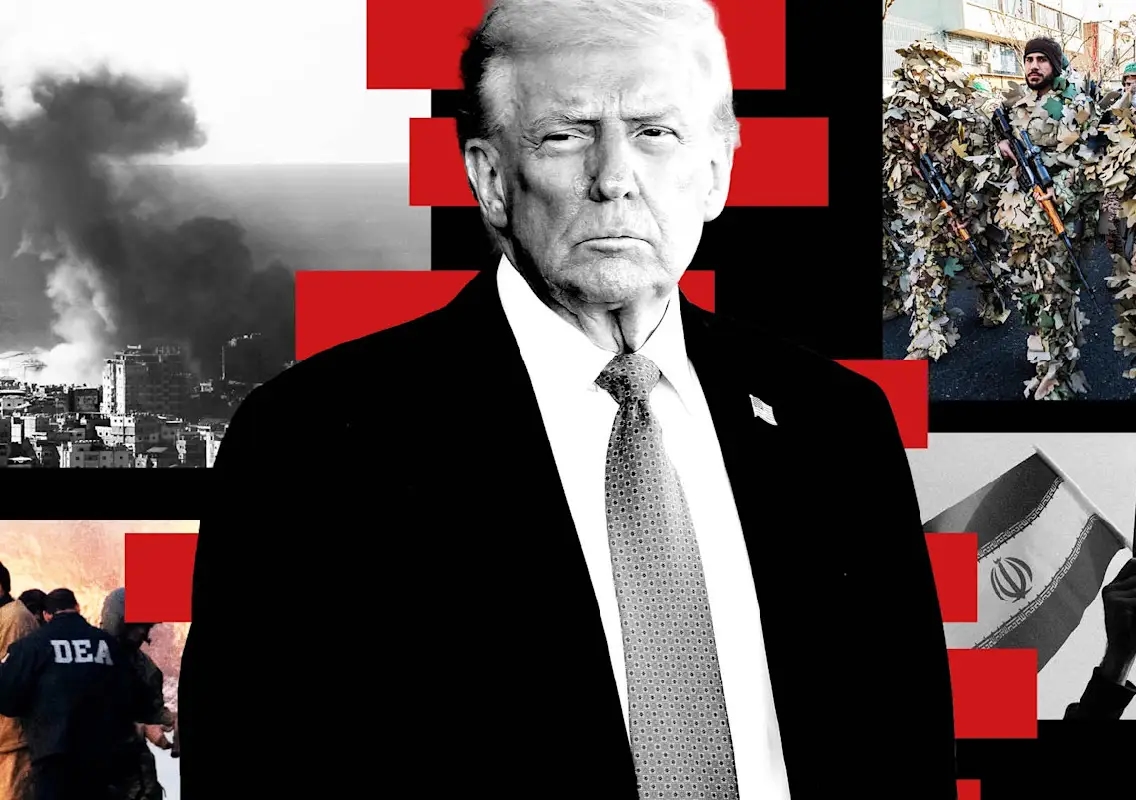


The ongoing conflict involving the United States, Iran and its regional dynamics is being increasingly viewed by analysts through a wider geopolitical lens, with some suggesting that the deeper objective may be to counter China’s global rise.
A broader strategic lens
While the US administration has justified its actions in Iran on grounds ranging from curbing nuclear ambitions to countering regional militancy, a growing school of thought argues that the underlying goal is strategic competition with China.
Experts point out that recent US actions in both Iran and Venezuela—two key energy partners of China—may not be isolated decisions, but part of a broader effort to limit Beijing’s influence.
Targeting China’s energy lifelines
China is the world’s largest crude oil importer, and Iran and Venezuela have been among its significant suppliers. Analysts note that disruptions in these regions could directly impact China’s energy security.
By targeting these supply chains, the US may be attempting to increase pressure on China’s economy, especially as Beijing continues to rely heavily on imported oil.
Impact on global financial dynamics
Another aspect being discussed is the challenge to China’s efforts to promote trade in yuan. Iran and Venezuela have, in recent years, engaged in oil trade outside the US dollar system.
Disruptions in these partnerships could weaken attempts to shift global trade away from dollar dominance, reinforcing the US position in international finance.
Military and technological implications
Observers have also pointed to reports suggesting that US operations have exposed limitations in certain defence systems used by countries aligned with China.
Such developments, if confirmed, could have implications for perceptions of military capabilities and strategic alliances.
Diplomatic and economic setbacks
China has invested heavily in infrastructure and energy partnerships in both Iran and Venezuela. These include long-term agreements, transport projects and energy investments.
Any instability in these regions could impact Beijing’s broader initiatives, including its Belt and Road strategy, which aims to strengthen connectivity across Asia, the Middle East and beyond.
A shifting global order
Some analysts believe that reducing tensions in regions like the Middle East could allow the US to redirect its focus and resources towards the Indo-Pacific, where competition with China is most pronounced.
However, experts caution that such interpretations remain part of ongoing geopolitical debates, and the long-term outcomes of the conflict are still uncertain.