







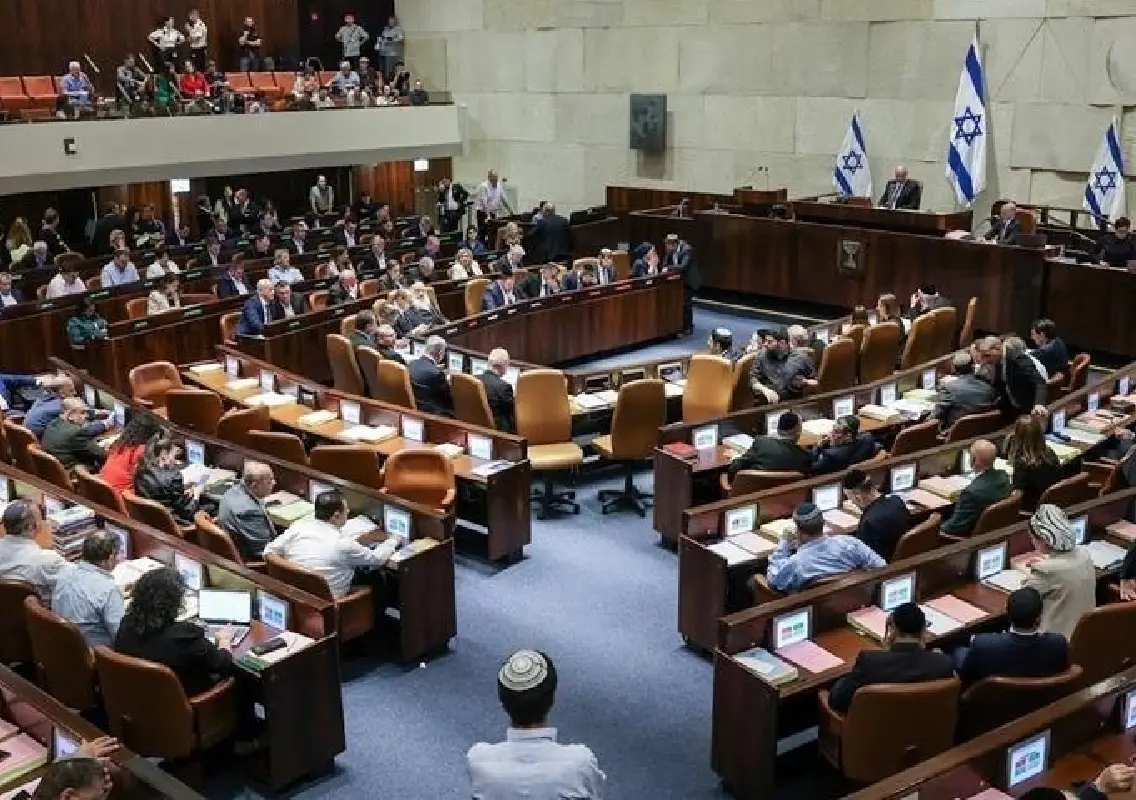


Israel’s parliament has advanced a controversial bill that would allow the death penalty for Palestinians convicted of terrorism, pushing it closer to a final vote and sparking widespread criticism.
Bill clears key committee stage
The legislation was approved by the Knesset’s national security committee, marking a significant step towards becoming law. The proposal was introduced by the far-right Otzma Yehudit party led by National Security Minister Itamar Ben-Gvir.
If passed, the bill would allow courts to impose the death penalty without requiring a unanimous decision, instead permitting a simple majority. It would also enable military courts in the occupied West Bank to issue death sentences.
Strict provisions raise concerns
Under the proposed law, those sentenced to death would be held in separate facilities with restricted access, and executions would be carried out within 90 days.
The bill also limits opportunities for appeal or clemency, particularly for Palestinians under occupation, raising concerns about due process and fairness.
Global criticism and legal warnings
The proposal has drawn sharp criticism from international organisations and human rights groups. United Nations experts have warned that the law could violate the right to life and international legal standards.
The European Union has also opposed the move, stating that the death penalty constitutes a violation of fundamental human rights and could amount to cruel or inhuman punishment.
Opposition voices within Israel
Several Israeli lawmakers and rights groups have raised concerns about the legal and moral implications of the bill. Critics argue that it could expose Israeli officials and military personnel to international legal action.
Human rights organisations have also warned that the law could deepen existing tensions and further complicate the region’s already fragile situation.
Rare use of capital punishment
Capital punishment in Israel is currently reserved for exceptional cases and has been used only twice in history, most notably in the execution of Nazi war criminal Adolf Eichmann in 1962.
Debate intensifies ahead of final vote
Despite mounting criticism, the bill continues to move forward, with supporters arguing it is necessary for deterrence, while opponents warn of serious consequences for human rights and international law.
The final vote is expected to intensify debate both within Israel and globally.