







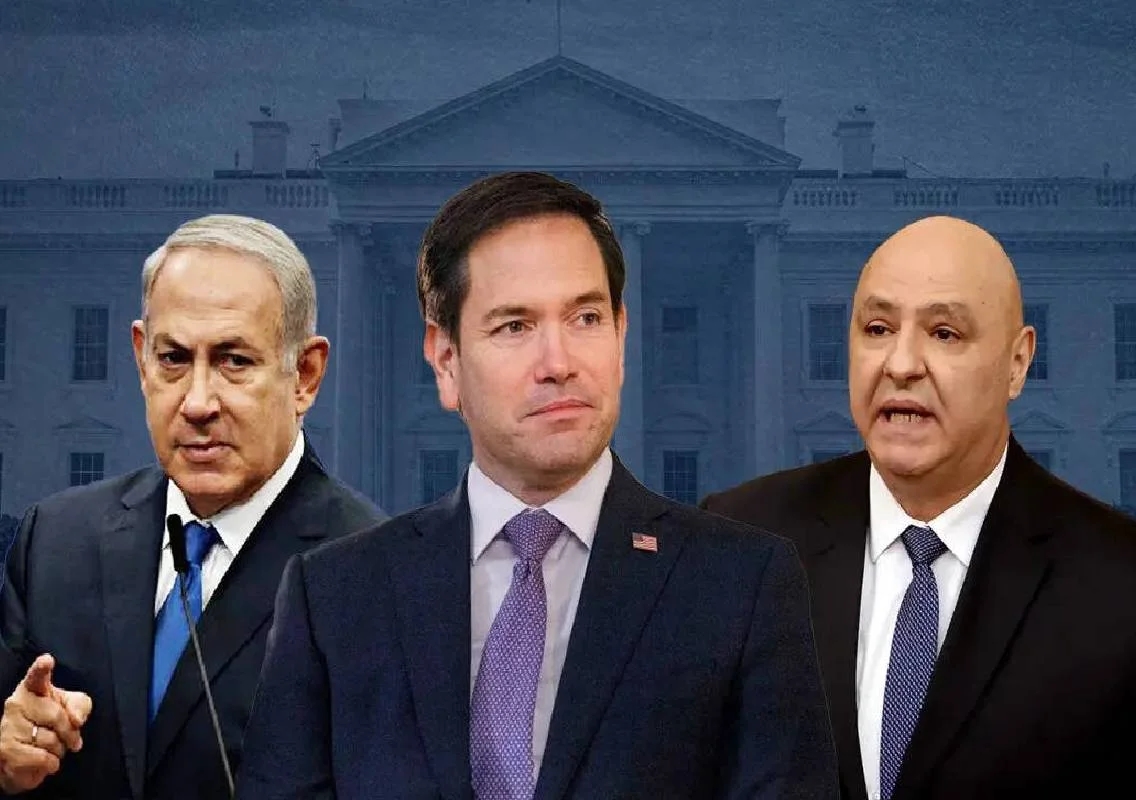


Washington: In a significant diplomatic development, Israel and Lebanon are set to hold their first high-level direct talks in over three decades on Tuesday, marking a rare moment of engagement amid ongoing conflict in the region.
The meeting, scheduled for 8.30 PM IST, will take place at the US State Department and will be hosted by Marco Rubio. This marks the most direct dialogue between the two nations since the 1993 Operation Accountability against Hezbollah.
Senior representatives, including Israeli Ambassador Yechiel Leiter and Lebanese Ambassador Nada Hamadeh, are expected to participate, along with top US officials.
Focus on ceasefire and peace roadmap
The United States has been actively mediating, with Donald Trump reportedly pushing for a diplomatic resolution to the crisis. The discussions are being seen as a crucial first step towards de-escalation after weeks of escalating violence.
A US official indicated that the objective is to ensure “long-term security of Israel’s northern border” while also supporting Lebanon’s sovereignty.
Conflict intensifies on the ground
Despite diplomatic efforts, fighting between Israeli forces and Hezbollah has intensified in recent weeks. Israel has launched a large-scale ground offensive in southern Lebanon, targeting key Hezbollah strongholds such as Bint Jbeil.
Lebanese authorities have reported hundreds of casualties, including civilians, as airstrikes and artillery fire hit populated areas. On the Israeli side, rocket and drone attacks from Hezbollah have resulted in civilian deaths and injuries, prompting evacuations in several northern communities.
The humanitarian situation has also worsened significantly, with thousands of people displaced as the conflict spreads across southern Lebanon.
Tensions remain high despite talks
Even as diplomatic channels reopen, rhetoric from both sides remains firm. Benjamin Netanyahu has vowed to continue military operations until Hezbollah’s capabilities are substantially weakened.
Hezbollah, on the other hand, has stated that it will not halt its attacks unless Israeli operations cease, positioning its actions as a defence of Lebanese territory. The group has also rejected calls for disarmament, which is expected to be a key issue during negotiations.
These contrasting positions highlight the complexity of reaching a long-term agreement, despite the renewed diplomatic engagement.
The last major direct engagement between the two sides dates back to 1993, during Operation Accountability. The week-long Israeli military campaign against Hezbollah led to large-scale displacement, with an estimated 3 million people forced to flee their homes in southern Lebanon.
The conflict ended with US-mediated understandings aimed at limiting attacks on civilian areas. However, tensions persisted in the years that followed, with periodic escalations along the border.
Conclusion
The upcoming talks between Israel and Lebanon represent a rare diplomatic opening in a deeply entrenched conflict. While expectations remain cautious due to ongoing hostilities and strong positions on both sides, the meeting signals a willingness to explore dialogue.
Whether these discussions lead to a ceasefire or a broader peace framework will depend on the ability of all parties to find common ground amid one of the region’s most volatile crises.Looking back at Operation Accountability