







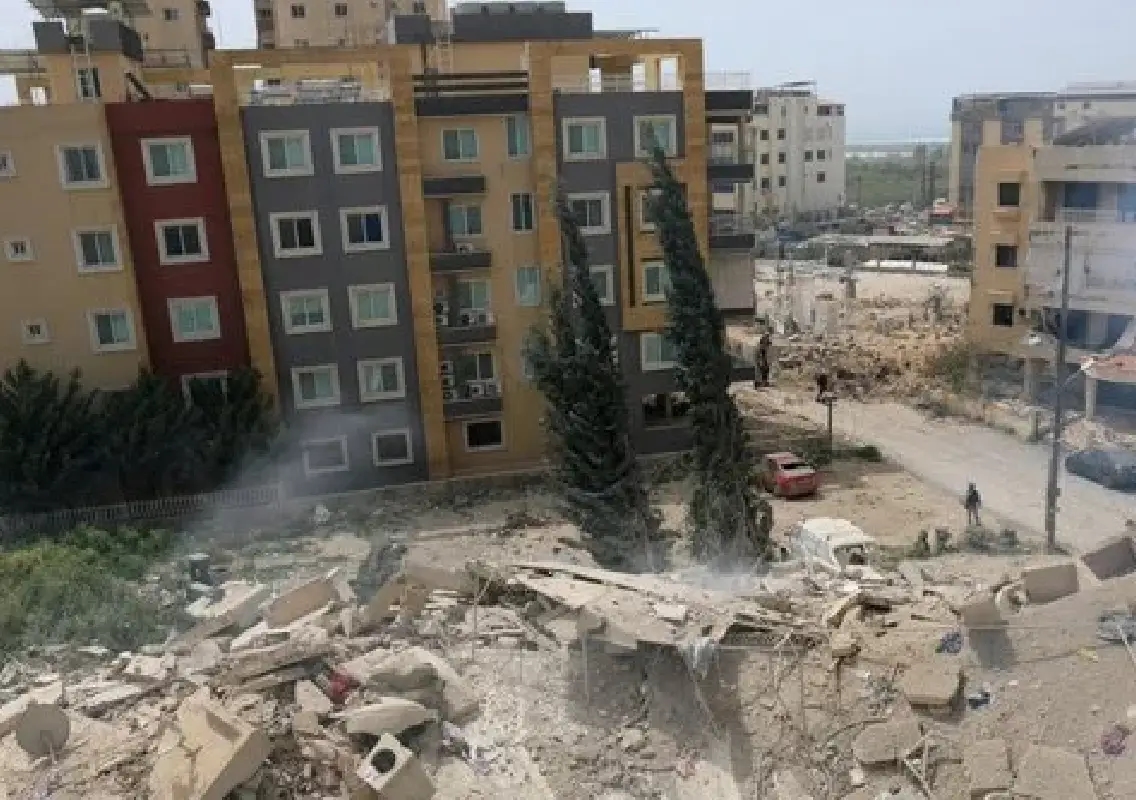


In southern Lebanon, the rituals of farewell—deeply rooted in faith and tradition—are being disrupted by the realities of war, as families are forced to bury their loved ones far from home.
Under normal circumstances, the deceased are carried through their hometowns one last time, surrounded by loved ones who guide them to their final resting place. But amid ongoing conflict and displacement, such rituals have become nearly impossible.
Temporary graves replace ancestral resting places
As violence intensifies, families fleeing southern regions are compelled to bury the dead in temporary graveyards in safer northern areas. In Tyre, trenches have been dug to accommodate multiple burials, marked only by numbered wooden boards instead of names.
For many, this is a painful compromise. Cultural and emotional ties to ancestral land remain strong, making temporary burials feel incomplete.
Traditions altered under extreme conditions
Islamic burial practices typically require the body to be washed, wrapped in a white shroud, and buried directly in the ground without delay. However, war has made even these basic rites difficult.
In some cases, bodies cannot be fully recovered or prepared. Religious allowances have been invoked, permitting temporary burials in coffins under exceptional circumstances, with the intention of reburial later.
Families face grief and uncertainty
The emotional toll is immense. Many families are unable to attend proper funerals or revisit graves, as continued airstrikes force them to remain displaced.
Some who have returned briefly to reclaim their dead have found graveyards destroyed, leaving them with no choice but to bury loved ones elsewhere again.
Living with loss amid ongoing conflict
For those who remain behind to manage burials, the experience is deeply distressing. With limited resources and constant danger, even basic dignity for the dead becomes a challenge.
As uncertainty looms over when—or if—families can return home, many fear their loved ones may never be laid to rest in their ancestral land.
The war has not only claimed lives but also stripped away the final acts of closure, leaving grief suspended between displacement, memory, and hope.