







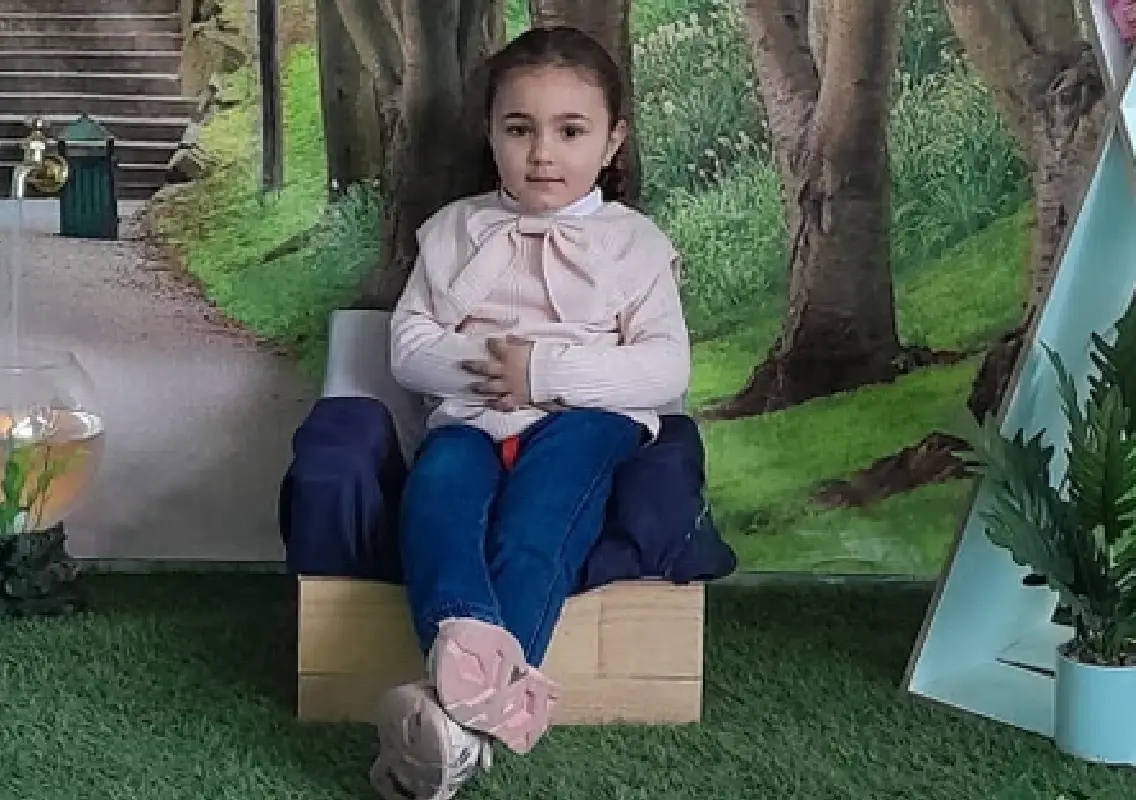


The devastating human cost of the ongoing conflict in Lebanon continues to unfold, as families mourn the loss of young lives, including six-year-old Narjis, whose death has left her family shattered.
A dream cut short
Narjis, whose name means “daffodil” in Arabic, was born in 2020 to Rania Jaber, who had long wished for a daughter. Described as gentle and wise beyond her years, Narjis dreamed of becoming a doctor.
On March 2, as airstrikes intensified in southern Lebanon, Jaber rushed to flee with her children. In a moment that now haunts her, Narjis comforted her mother, saying, “Mama, you’re my life. Don’t cry, I love you so much.”
Hours later, an airstrike hit their home in Maifadoun, killing Narjis and her aunt. Jaber and her two sons survived after being trapped under the rubble.
Rising toll on children
Narjis was among the first children killed after hostilities escalated following rocket fire by Hezbollah and subsequent Israeli strikes.
Since then, more than 120 children have reportedly been killed in Lebanon, accounting for nearly 10% of total deaths, underscoring the severe impact on the youngest and most vulnerable.
Families wiped out
In another tragic incident in Nabatieh, six members of the Basma family—including four children—were killed when an airstrike destroyed their home.
Neighbours described them as kind and peaceful, with children who brought life to the community. Financial hardship had prevented the family from fleeing, ultimately costing them their lives.
Lasting trauma on survivors
For survivors, the psychological toll is profound. Narjis’s brothers, Abbas and Ali, have shown signs of distress, panicking at loud noises and struggling to cope with her loss.
Experts warn that repeated exposure to war can have long-term developmental and emotional consequences for children. According to mental health specialists in Lebanon, such trauma can echo for years, affecting behaviour, learning, and emotional stability.
A generation at risk
Children in Lebanon have now experienced multiple conflicts within just a few years, eroding any sense of safety. As strikes continue across populated areas, families remain trapped between fear, grief, and uncertainty.
For Narjis’s mother, the loss is immeasurable. Remembering her daughter’s kindness and warmth, she says, “She wanted to sleep in my heart.”
Her story is one among many, reflecting a growing humanitarian crisis where innocent lives are lost, and the scars of war run deep across generations.