







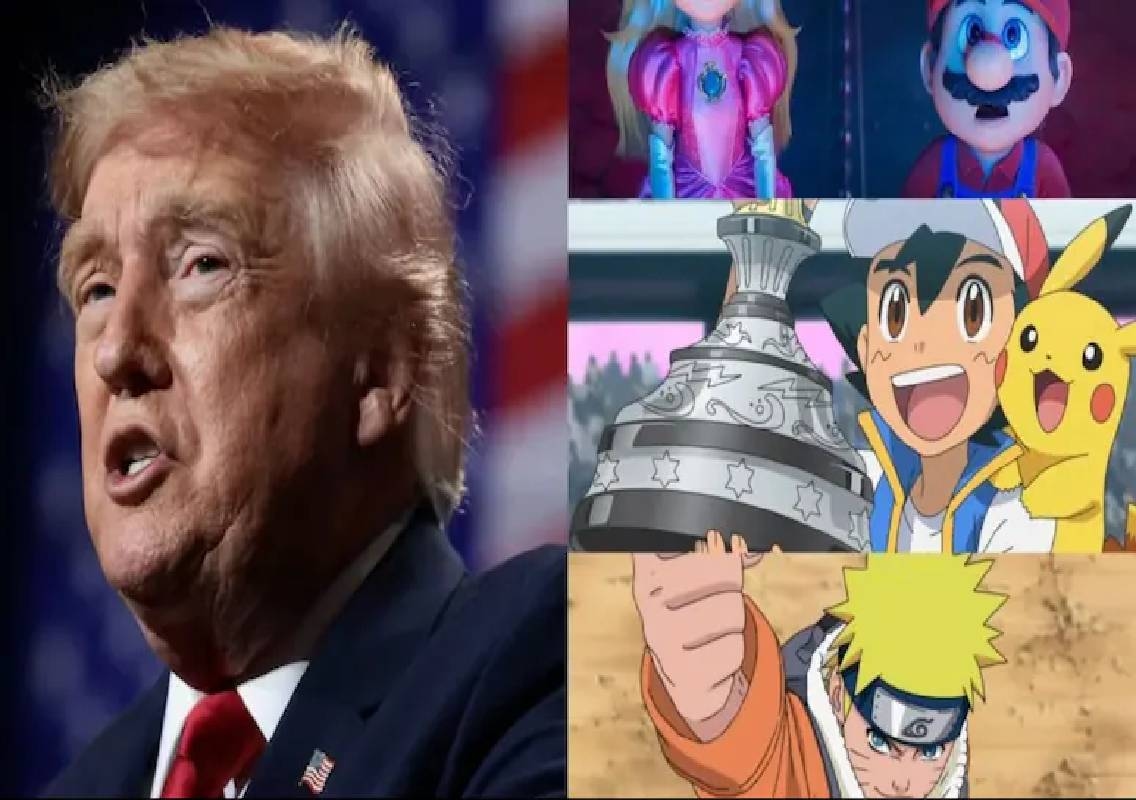


Tokyo: Japan has raised concerns with the US government over the use of popular Japanese video game and anime characters, including Pokemon, Mario, Naruto and Yu-Gi-Oh, in official American social media posts. Japanese officials have reportedly asked the Trump administration to reconsider the use of the intellectual property, particularly where the characters are used in political or government messaging.
The issue has been raised through diplomatic channels rather than through a formal copyright case. Japan has not determined that the US government has infringed copyright, but officials have reportedly warned that unauthorised use could raise questions about copyright and potentially affect the public image of major Japanese entertainment franchises.
Japan raises concern through diplomatic channels
Japan’s Ministry of Foreign Affairs has reportedly contacted the US Embassy in Tokyo several times over the use of Japanese intellectual property in official American social media posts.
According to the report, the ministry first raised the issue in April, followed by further discussions in June and August. Japanese officials have asked the US government to be more careful when using characters and footage belonging to major Japanese entertainment properties.
The concern reportedly extends beyond the question of permission. Japanese authorities are also worried that associating globally recognised characters with political messaging could affect the public image of the franchises and their rights holders.
Pokemon appears in US immigration post
One of the most prominent examples involved Pokemon.
The US Department of Homeland Security shared a Pokemon-themed video connected to immigration enforcement. Another US government post used a graphic inspired by Pokopia, accompanied by the slogan “Make America Great Again”.
The use of Pokemon characters attracted attention because the franchise is one of Japan’s most valuable and recognisable entertainment properties.
The Pokemon Company subsequently clarified that it had not been involved in creating or distributing the video and had not authorised the use of its intellectual property in the content.
Mario and Naruto also used in official content
The issue is not limited to Pokemon.
The White House has used Mario footage in a social media post connected with NASA’s Artemis II mission. The US government’s online content has also featured Naruto-related material, including an AI-generated video depicting US President Donald Trump as Naruto.
The use of these characters has blurred the line between popular internet meme culture and official government communication, prompting questions about whether entertainment franchises should be associated with political messages without explicit approval from their owners.
Yu-Gi-Oh footage sparks another controversy
Japanese anime franchise Yu-Gi-Oh has also appeared in US government social media content.
Footage from the anime was used in a White House video promoting US military action. The official Japanese Yu-Gi-Oh anime account subsequently stated that the creators and anime staff had not been involved and that permission had not been granted for the use of the material.
The response further strengthened Japan’s argument that government institutions should exercise caution when using copyrighted entertainment material.
Japan says public institutions need permission
Japan’s Foreign Ministry has reportedly stressed that government agencies are not exempt from intellectual property considerations.
The ministry’s position was that public institutions also require permission from creators when using intellectual property. Japanese officials have also reportedly urged the US to consider the possibility of copyright infringement and damage to the image of the works.
However, Japan has stopped short of declaring that the US government has violated copyright law.
No formal copyright finding yet
Despite the diplomatic warning, the dispute has not resulted in a formal legal determination against the US government.
Japan has reportedly raised concerns about the use of the characters and the possible consequences for their owners and creators. The issue currently remains a diplomatic and intellectual property concern rather than a confirmed copyright infringement case.
This distinction is important because the use of copyrighted characters in government communications can involve questions of authorisation, licensing, fair use and the specific nature of the material being shared.
Why Japanese franchises matter
Pokemon, Mario, Naruto and Yu-Gi-Oh are among Japan’s most influential global entertainment properties.
Their characters are recognised across generations and have become major parts of gaming, anime, merchandise and popular culture worldwide. Their widespread use in memes has also made them easy to incorporate into political messaging on social media.
However, Japanese officials appear particularly concerned when these commercial franchises are used in official government communications without involvement from the rights holders.
Meme culture meets government messaging
The controversy highlights the growing role of meme culture in political communication.
Government agencies increasingly use short videos, memes, AI-generated images and popular cultural references to reach audiences on social media. While such content can attract attention quickly, the use of recognisable copyrighted characters can create additional legal and reputational questions.
The Japan-US dispute illustrates how a social media post that may appear humorous or promotional can become a diplomatic issue when it involves internationally recognised intellectual property.
Conclusion
Japan has asked the US government to reconsider its use of Pokemon, Mario, Naruto and Yu-Gi-Oh characters and footage in official social media content. Japanese officials have raised the issue through diplomatic channels and stressed that public institutions also need permission when using intellectual property.
However, Japan has not made a formal legal finding that the US government infringed copyright. For now, the issue remains a diplomatic concern centred on authorisation, intellectual property rights and the potential impact of government messaging on major Japanese entertainment franchises.