







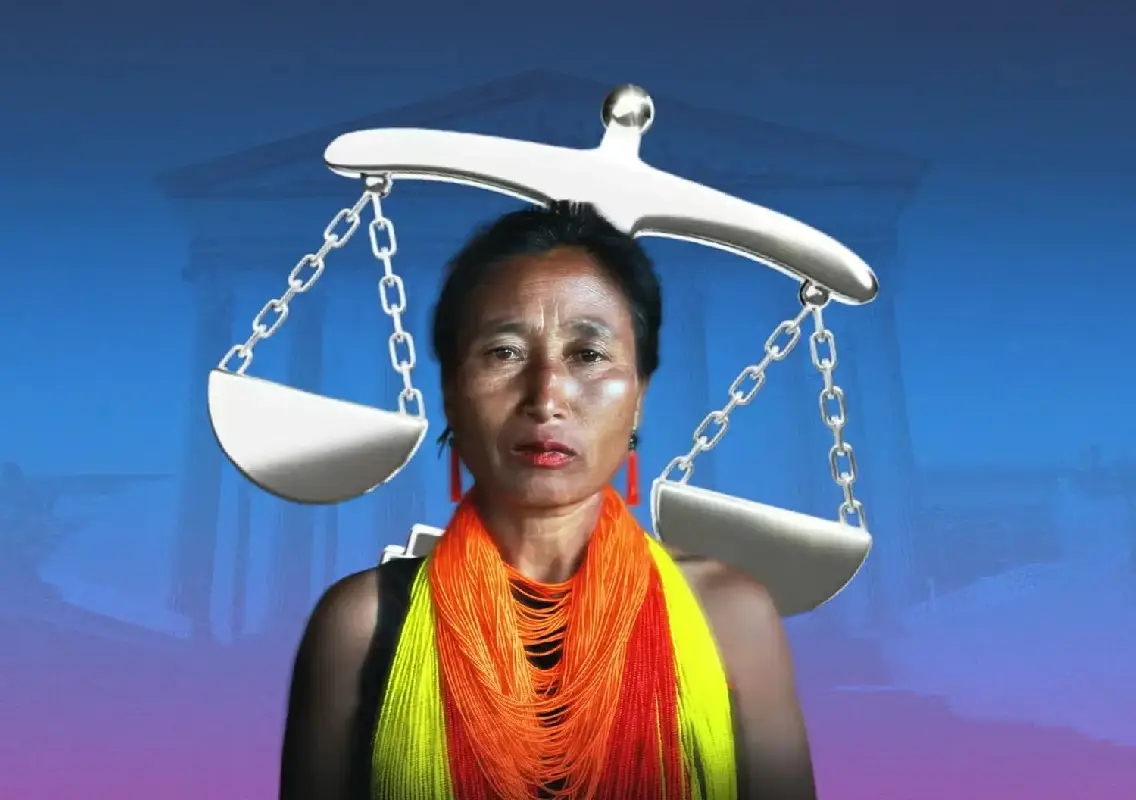


On the occasion of International Women’s Day 2026, UN Women has issued a global alert highlighting serious gaps in justice systems that continue to fail women and girls across the world.
According to a new report by the United Nations Secretary-General titled “Ensuring and Strengthening Access to Justice for All Women and Girls,” women globally possess only 64 per cent of the legal rights enjoyed by men. This disparity leaves millions of women vulnerable to discrimination, violence, and exclusion at different stages of their lives.
Disturbing gaps in legal protection
The report reveals that in 54 per cent of countries worldwide, rape is still not legally defined based on consent, meaning that many sexual assault cases may not be recognised as crimes under national laws.
Similarly, child marriage continues to remain legal in several parts of the world. The report states that nearly three out of four countries still allow girls to be married under national law, exposing them to early and forced marriages.
Gender-based economic inequality also persists. In 44 per cent of countries, laws do not mandate equal pay for work of equal value, allowing women to be legally paid less than men for the same work.
UN Women Executive Director Sima Bahous emphasised the broader consequences of these failures.
“When women and girls are denied justice, the damage goes far beyond any single case. Public trust erodes, institutions lose legitimacy, and the rule of law itself is weakened,” she said.
Rising threats and global challenges
The report also points to increasing threats against women’s rights globally. Violations are intensifying due to a growing culture of impunity that stretches from courtrooms to digital platforms and conflict zones.
Technological advances without adequate regulation have contributed to rising online harassment and digital violence against women. Meanwhile, in conflict areas, sexual violence continues to be used as a weapon of war, with reported cases increasing by 87 per cent in the past two years.
Progress made but challenges remain
Despite these concerns, the report notes some positive developments. About 87 per cent of countries have enacted domestic violence legislation, and over 40 countries have strengthened constitutional protections for women and girls in the past decade.
However, legal reforms alone are not sufficient. Social barriers such as stigma, victim-blaming, fear, and community pressure often discourage survivors from seeking justice.
Practical challenges such as legal costs, language barriers, time-consuming processes, and lack of trust in institutions further limit access to justice.
Call for urgent global action
This year’s International Women’s Day is being observed under the theme “Rights. Justice. Action. For ALL Women and Girls.” UN Women has called for immediate and decisive global action to end impunity, defend the rule of law, and ensure equality in law and practice.
The 70th Session of the Commission on the Status of Women (CSW70) is expected to play a crucial role in advancing global commitments towards gender equality.
The International Women’s Day commemoration and the opening of CSW70 will be held on March 9, 2026, at the United Nations General Assembly, bringing together global leaders, policymakers, and advocates to address challenges and strengthen protections for women and girls worldwide.