







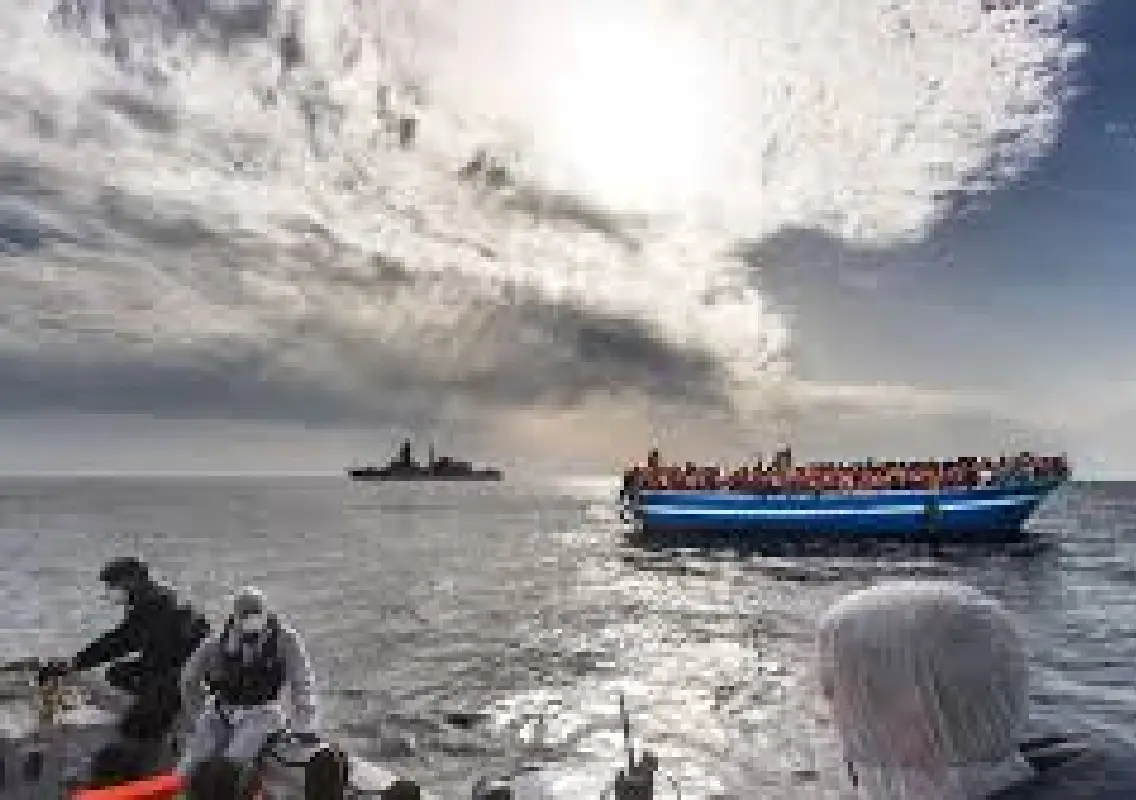


More than 560 people have already gone missing in the Mediterranean Sea this year while attempting to reach Europe, raising fears that 2026 could become one of the deadliest years on record along the migration route.
According to the International Organization for Migration (IOM), at least 500 of the missing were travelling from Libya, Tunisia and Algeria towards Europe.
Perilous journeys and rising toll
Earlier this month, 53 people — including two infants — were reported dead or missing after a boat capsized off the Libyan town of Zuwara. Only two survivors were rescued.
Many migrants undertake the journey on overcrowded and fragile boats, often at the mercy of rough seas and unpredictable weather. The IOM has repeatedly described the central Mediterranean route as the world’s most dangerous migration corridor.
Between August and October 2025, nearly 9,28,000 migrants were identified in Libya, according to UN figures, many hoping to eventually reach Europe.
Abuse and detention in transit
A recent report by the UN Human Rights Office detailed widespread abuses faced by migrants in Libya, including detention, forced labour and violence by armed groups and traffickers.
Migrants interviewed described harsh conditions, beatings and demands for ransom payments from families. Despite knowing the risks, many continue to attempt the crossing, citing conflict, poverty and lack of opportunity in their home countries.
European nations, particularly Italy, have introduced stricter migration measures, including the ability to block vessels or transfer asylum seekers to third countries. However, arrival numbers remain high, with over 63,000 people reaching Italy in 2025.
Experts say that for many migrants, the dangers of staying behind feel greater than the risks of the sea, making deterrence policies unlikely to fully stem departures.