







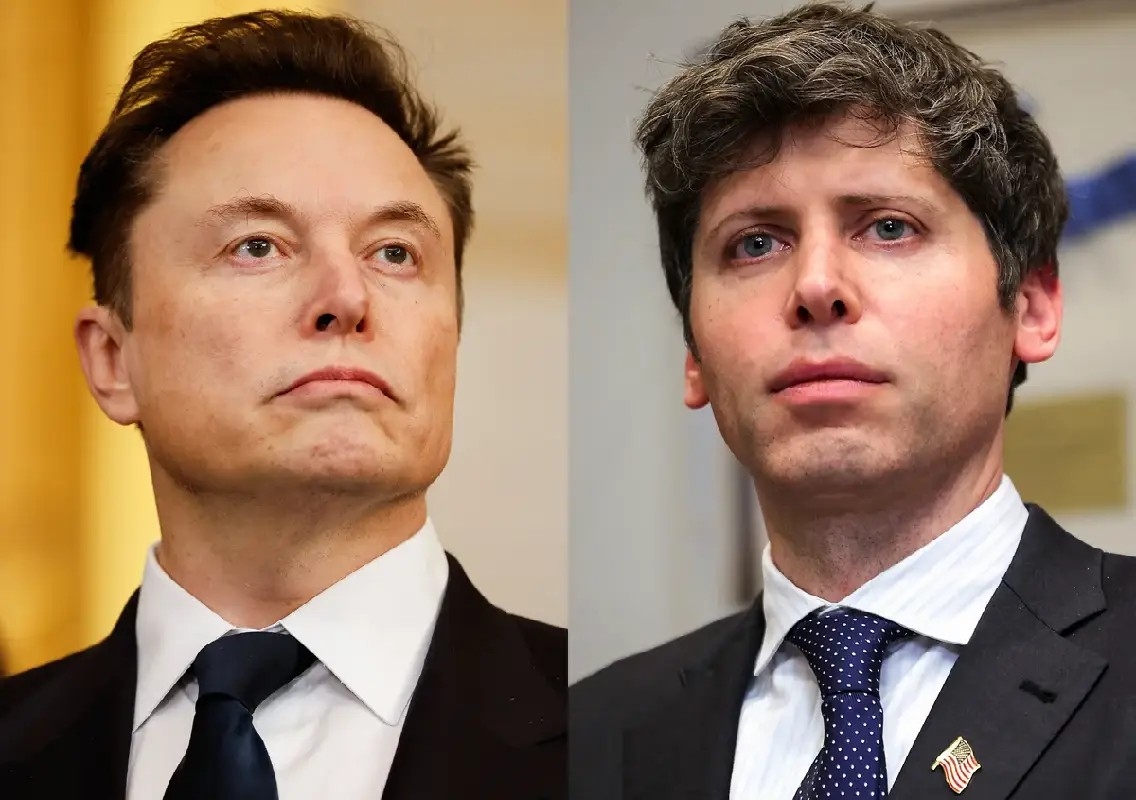


One of Silicon Valley’s most closely watched legal battles is approaching a crucial stage as the lawsuit filed by Elon Musk against OpenAI’s leadership nears completion after three weeks of hearings. The case, considered the first major artificial intelligence-related courtroom battle involving key technology leaders, is expected to move towards jury deliberations shortly.
The trial has attracted global attention because it involves disputes surrounding the origins, direction and governance of OpenAI, one of the world’s most influential artificial intelligence companies.
Throughout the proceedings, several exchanges and testimonies emerged as defining moments of the courtroom battle.
Musk says he trusted OpenAI’s original mission
During opening testimony, Musk portrayed himself as an early supporter whose intention was to ensure artificial intelligence development remained focused on broader public benefit rather than concentrated control.
Musk stated that he played a major role during OpenAI’s early stages, saying he contributed ideas, funding and recruitment efforts when the organisation was established in 2015.
He also expressed regret regarding his involvement and indicated that he felt his support had ultimately benefited a company that later evolved in a different direction.
During cross-examination, Musk reportedly became visibly frustrated while responding to questions from OpenAI’s legal team.
The exchange reflected the increasingly confrontational tone that characterised several stages of the proceedings.
Sam Altman counters Musk’s claims
Sam Altman later took the witness stand and strongly disputed several of Musk’s allegations.
According to testimony presented during the proceedings, Altman stated that Musk had sought substantial control over OpenAI during discussions several years earlier.
Altman argued that concerns existed among OpenAI leadership regarding concentrating control of artificial intelligence development within the hands of a single individual.
His testimony represented one of the trial’s most closely followed moments because of the long-standing history between both technology leaders.
The courtroom exchange highlighted differing narratives regarding OpenAI’s original goals and subsequent direction.
Greg Brockman’s notes become courtroom focus
Greg Brockman also became a central figure during the hearings after personal journals and notes from previous years were discussed during questioning.
The documents reportedly included thoughts regarding financial goals and internal concerns during OpenAI’s formative period.
Musk’s legal team reportedly highlighted sections of those notes during cross-examination.
Brockman defended the material and stated that he was not embarrassed by the contents, while also referring to disagreements and tensions during earlier interactions involving Musk.
The testimony provided insight into internal discussions and differing views within the organisation during its development phase.
Shivon Zilis testimony draws attention
Another significant moment came with the appearance of Shivon Zilis, who previously served on OpenAI’s board while also maintaining professional connections with Musk.
Her testimony attracted considerable attention because of her links with both individuals and organisations involved in the case.
OpenAI reportedly raised concerns regarding whether information exchanges may have influenced awareness of company developments.
Questions during testimony focused on communication patterns and relationships during earlier periods of OpenAI’s evolution.
Legal observers noted that the relevance of her testimony could extend beyond personal matters and potentially affect arguments regarding what Musk knew and when he became aware of changes within OpenAI.
Jury decision expected to shape broader AI debate
As the trial approaches its final stage, the case is expected to carry implications extending beyond the individuals involved.
The proceedings have highlighted broader issues surrounding artificial intelligence governance, corporate structure and questions regarding control of emerging technologies.
Observers believe the outcome could influence discussions regarding how AI organisations balance commercial growth with public-interest commitments.
With jury deliberations expected soon, attention now shifts towards whether the court accepts Musk’s arguments or OpenAI’s defence regarding the company’s evolution and governance decisions.