







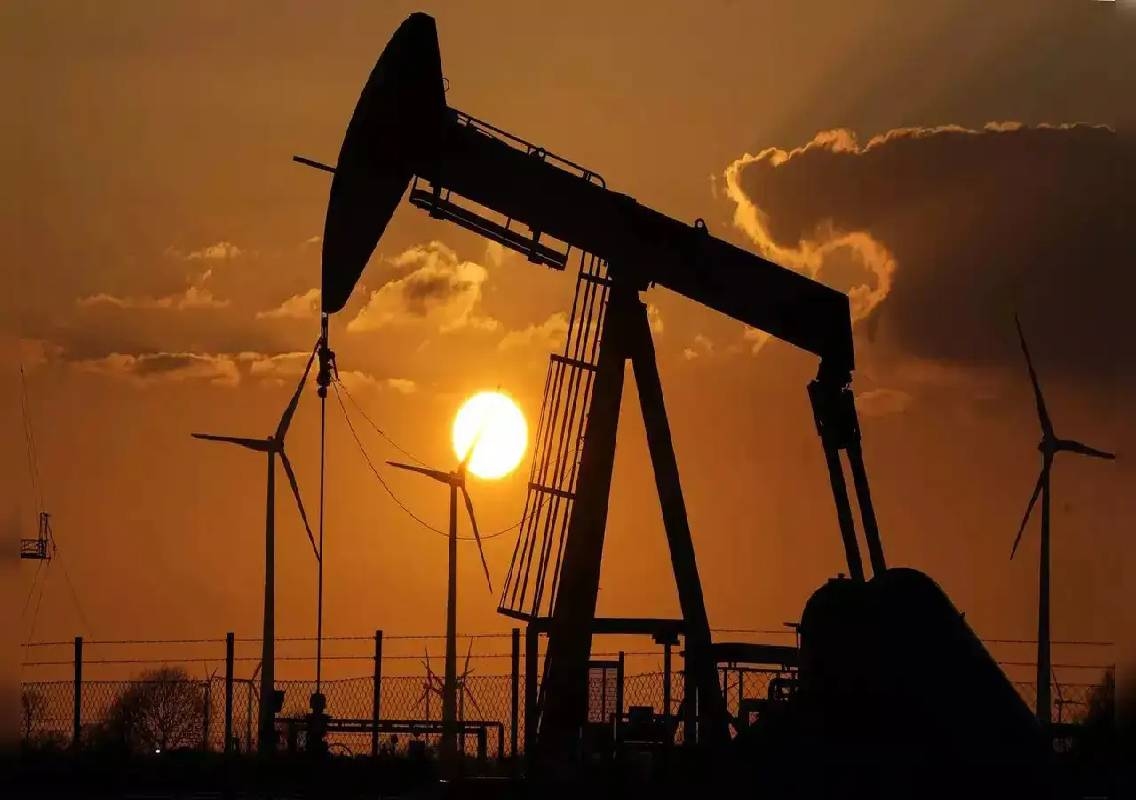


New Delhi: Global oil prices dropped by nearly 7 per cent after the United States paused its military strikes on Iran, easing fears of an immediate disruption to crude supplies from the Middle East. The sharp decline reflects growing optimism among investors that tensions in the region may not escalate further, at least in the near term.
Brent crude and West Texas Intermediate (WTI) both registered their steepest single-session declines in weeks as traders reassessed geopolitical risks following Washington’s decision to halt attacks. The development reduced concerns over potential supply disruptions, particularly around the Strait of Hormuz, a key global oil shipping route.
Why oil prices fell
Crude prices had surged in recent weeks due to fears that escalating conflict between the US and Iran could affect oil production and exports across the Middle East.
However, sentiment shifted after the US announced a pause in military operations. The move signalled a possible de-escalation in tensions, prompting investors to unwind risk premiums that had been built into oil prices.
Analysts said markets reacted swiftly because the pause lowered the immediate likelihood of disruptions to energy infrastructure or shipping routes in the Gulf region.
Middle East tensions remain a key risk
Despite the sharp fall in prices, market experts cautioned that geopolitical uncertainty has not disappeared.
Iran remains a major player in the region, and any renewed military action, attacks on oil facilities or disruptions in the Strait of Hormuz could quickly reverse the recent decline in crude prices.
Around one-fifth of the world’s oil trade passes through the strategic waterway, making it one of the most closely watched geopolitical flashpoints for energy markets.
Impact on India
Lower global crude prices are generally positive for India, one of the world’s largest oil importers.
A sustained decline in crude prices can help reduce the country’s import bill, ease inflationary pressures and improve the fiscal outlook. It may also create room for lower fuel prices if oil remains subdued over the coming weeks.
However, domestic fuel prices depend on several factors, including exchange rates, taxes and decisions taken by oil marketing companies.
What analysts are saying
Market participants believe oil prices are likely to remain volatile until there is greater clarity on developments in the Middle East.
While the US decision to pause strikes has reduced immediate concerns, investors continue to monitor diplomatic efforts, military movements and statements from both Washington and Tehran for signs of further escalation or progress towards stability.
Any significant geopolitical development could trigger another sharp movement in crude prices.
Conclusion
The nearly 7 per cent fall in global oil prices highlights how quickly energy markets respond to geopolitical developments. The US decision to pause strikes on Iran eased immediate fears of supply disruptions, leading to a sharp correction in crude prices. However, analysts warn that the Middle East remains a volatile region, and any renewed escalation could once again send oil prices higher.