







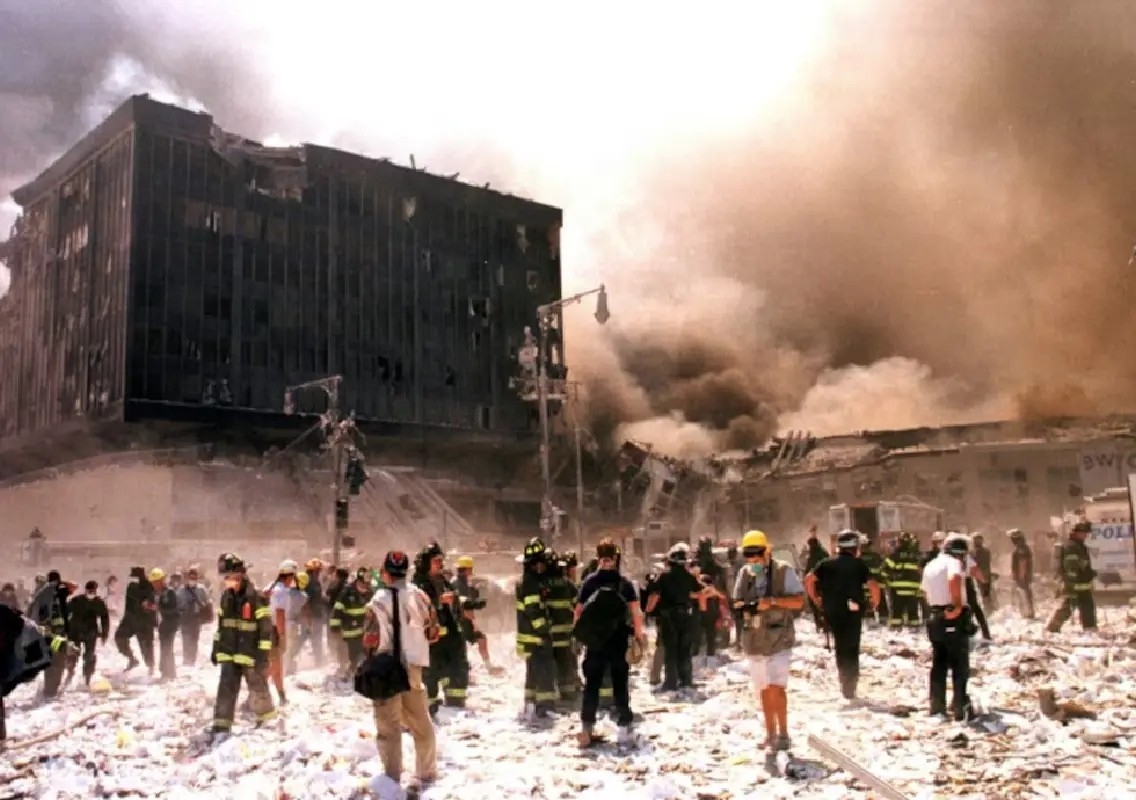


Twenty-five years after the September 11 attacks, children who were living or staying near the World Trade Center site are set to receive greater attention through a major health study examining the long-term impact of their childhood exposure.
Thousands of children were exposed
When hijacked planes brought down the World Trade Center’s twin towers on September 11, 2001, roughly 25,000 children were living or staying in the surrounding area, according to the report.
Many were exposed to the disaster and its aftermath at a young age. The long-term health consequences for people who experienced the attacks as children have remained an important area of concern.
The passage of 25 years now provides an opportunity to study how exposure during childhood may have affected survivors as they reached adulthood.
Study aims to understand long-term effects
The planned health study is expected to provide a closer look at the experiences and health of people who were children at the time of the attacks.
Researchers studying September 11 survivors have increasingly focused on the lasting consequences of exposure to the disaster. Examining those who were children could offer important insights into how early-life exposure to a traumatic event may shape health over many years.
Remembering a generation affected by tragedy
For those who survived September 11 as children, the anniversary is not only a reminder of a historic tragedy but also of experiences that shaped their lives from a young age.
The new research comes as the 25th anniversary brings renewed attention to survivors and the continuing health needs of people affected by the attacks.
The study could help ensure that the experiences of this often-overlooked group are better understood and that their health concerns remain part of the continuing September 11 legacy.