







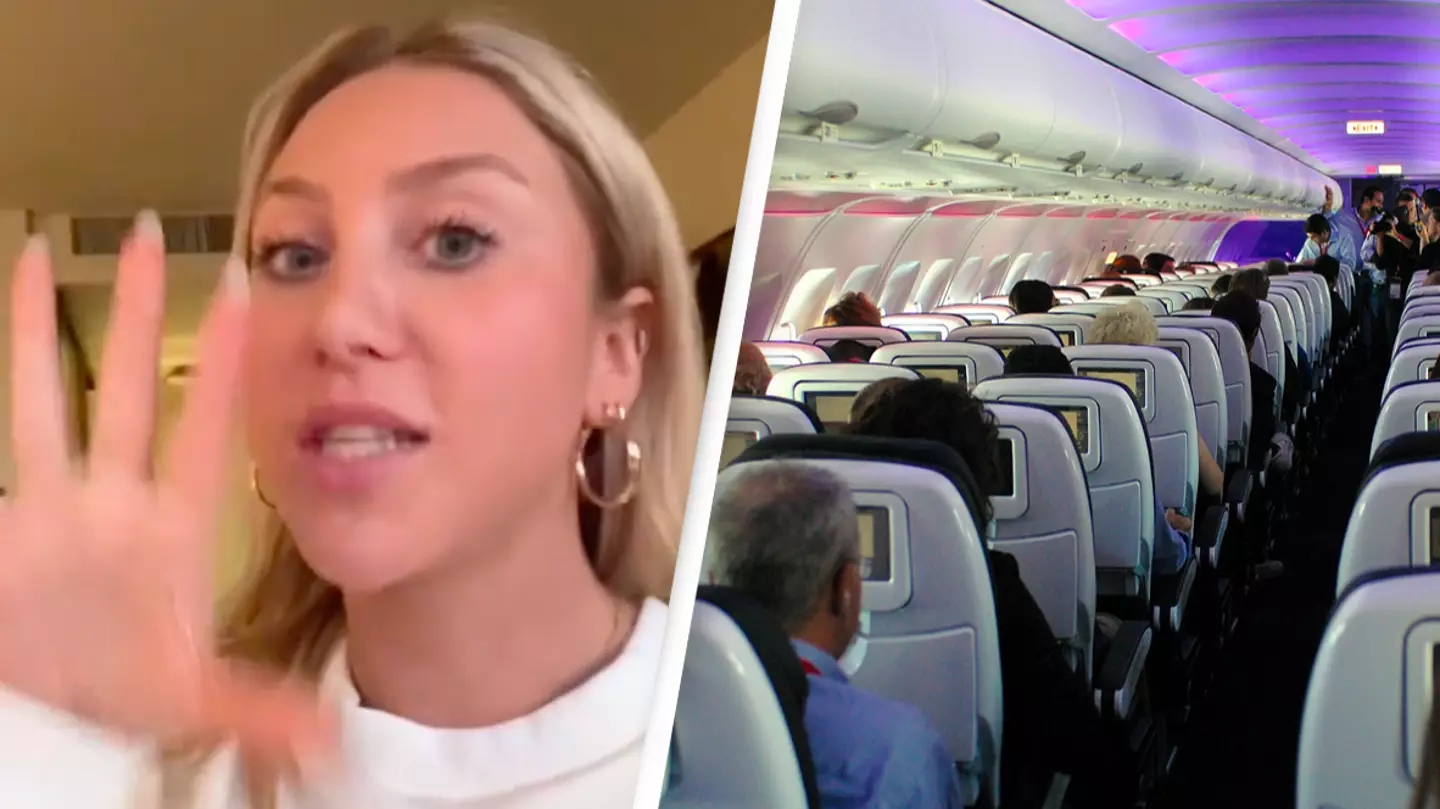


Standing up immediately after an aircraft lands has become a familiar sight on flights worldwide, but the habit continues to divide passengers over questions of etiquette, safety and common courtesy inside crowded cabins.
The debate centres on travellers who rise from their seats and step into the aisle the moment the plane comes to a stop, often before the seatbelt sign is switched off. While some see it as practical, others view it as impatient and inconsiderate.
Why passengers stand early
Diane Gottsman, a US-based national etiquette expert, says the behaviour is largely driven by discomfort and anxiety after long flights. “With long flights, people are eager to stretch their legs and get their bags ready so they can exit efficiently,” Diane Gottsman told Fox News Digital.
Online, many travellers echo this sentiment. Some say leg cramps force them to stand as soon as possible, while others point to tight connecting flights as the reason they prepare early to disembark.
When etiquette becomes an issue
Problems arise, Gottsman says, when passengers move into the aisle too soon and block others. “Moving into the aisle and trying to push is a definite etiquette faux pas,” she said, adding that it also invades limited personal space.
She also flagged safety concerns, noting that turbulence or sudden aircraft movement can pose risks. “For safety reasons, it’s best to remain seated unless there is room to comfortably move about,” she said, suggesting cabin crew should manage the situation clearly.
Crackdowns in some countries
While many airlines rely on announcements and crew instructions, some countries have taken a stricter approach. Last year, Turkey’s Directorate General of Civil Aviation reportedly instructed airlines to report passengers who stand up or open overhead bins before the seatbelt sign is turned off. Offenders could face fines.
A balance of patience and practicality
The issue highlights the tension between personal comfort and shared courtesy in confined spaces. While stretching and preparing to leave is understandable, experts say patience and respect for fellow passengers — and safety rules — remain key to smoother landings for everyone.