







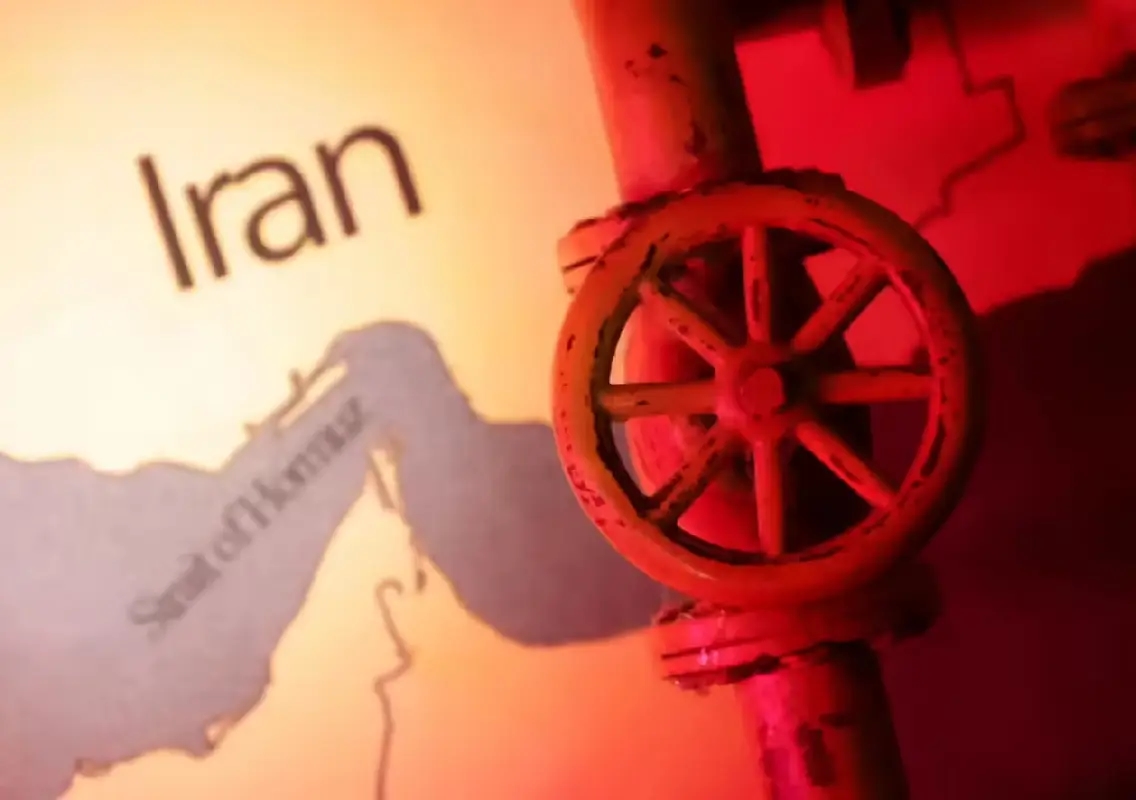


When missiles streaked across Gulf skies amid the Israel-US conflict with Iran, global energy markets reacted instantly. Brent crude climbed towards $82 a barrel — a one-year high — as tensions around the Strait of Hormuz threatened one of the world’s most vital oil corridors.
Nearly 15–20 per cent of global oil supply — about 15 million barrels a day — normally passes through Hormuz. Satellite data showed over 200 vessels anchored or rerouted, disrupting nearly 70 per cent of regular maritime traffic. War-risk insurance premiums have surged by up to 300 per cent, forcing ships to detour via the Cape of Good Hope, adding time and millions in costs.
Impact on India’s oil bill and rupee
India imports over 85 per cent of its crude needs — roughly 4.8–5 million barrels daily. The Union Budget had assumed oil at $70–$75 per barrel. With prices nearing $82 and potentially rising further, India’s FY26 oil import bill could exceed $130 billion.
Every $10 rise in crude increases inflation by about 0.3 percentage points and widens the current-account deficit by up to 0.3 points. The rupee slipping past 91 against the dollar has compounded concerns, raising the cost of fuel, fertilisers and transport.
The Reserve Bank of India, holding forex reserves above $723 billion, is expected to manage volatility through targeted interventions, though sustained oil spikes could pressure monetary policy decisions.
Aviation, trade and remittances hit
Nearly 1,000 flights connect India and Gulf nations daily. With Dubai and Doha airspace restrictions, airlines face weekly losses of nearly Rs 500 crore. Longer routes via Central Asia or Africa have raised fares by 25–40 per cent.
The United Arab Emirates, India’s third-largest trading partner with bilateral trade of $85 billion, is central to supply chains. Disruptions at Jebel Ali Port could delay exports and strain SMEs.
Remittances from the Gulf — nearly $45–50 billion annually — also remain at risk if instability persists.
Strategic response
India’s strategic petroleum reserves offer a buffer of 10–15 days. Refiners are sourcing additional cargoes from Russia and West Africa, though freight costs dilute savings.
As markets remain volatile, policymakers face a delicate balancing act. The Strait of Hormuz crisis has underscored India’s energy dependence and the fragile arteries of global trade — where geopolitics directly shapes household budgets and national growth.