









The death of a teenager in North Carolina after an infection caused by the rare “brain-eating amoeba” Naegleria fowleri has highlighted the dangers associated with exposure to contaminated warm freshwater.
According to USA Today, health officials believe the teenager was likely infected after coming into contact with a water feature at a community centre. The infection is extremely rare but can cause a severe disease known as primary amebic meningoencephalitis (PAM).
How the infection can occur
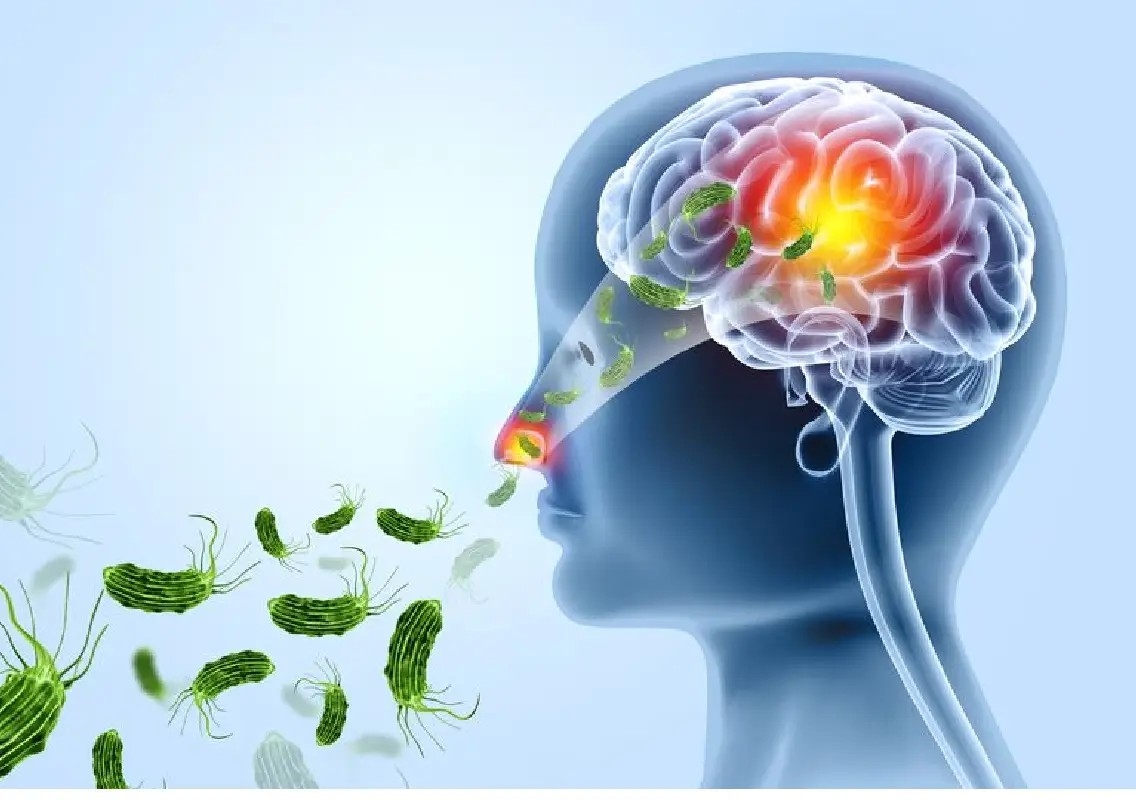
Naegleria fowleri is a microscopic amoeba that can live in warm freshwater. Infection generally occurs when contaminated water enters the body through the nose, allowing the organism to travel to the brain.
It does not spread through drinking contaminated water, and person-to-person transmission is not considered a route of infection.
The organism is more commonly associated with warm freshwater environments, particularly during periods of high temperatures.
A rare but serious illness
PAM is a severe infection that can progress rapidly and is often fatal. Early symptoms can include headache, fever, nausea and vomiting before progressing to more serious neurological symptoms.
Because the illness is extremely uncommon, health authorities emphasise that people should not avoid normal water activities because of isolated cases. However, precautions can reduce potential exposure.
Avoiding water entering the nose while swimming or playing in warm freshwater, using nose clips and avoiding stirring up sediment in shallow, warm water are among measures that can help reduce risk.
North Carolina authorities have separately continued to issue public guidance about recreational-water safety and localised water-quality concerns.
The teenager’s reported death is a tragic reminder that even rare environmental infections can have devastating consequences and that appropriate precautions are important when using warm freshwater facilities.