







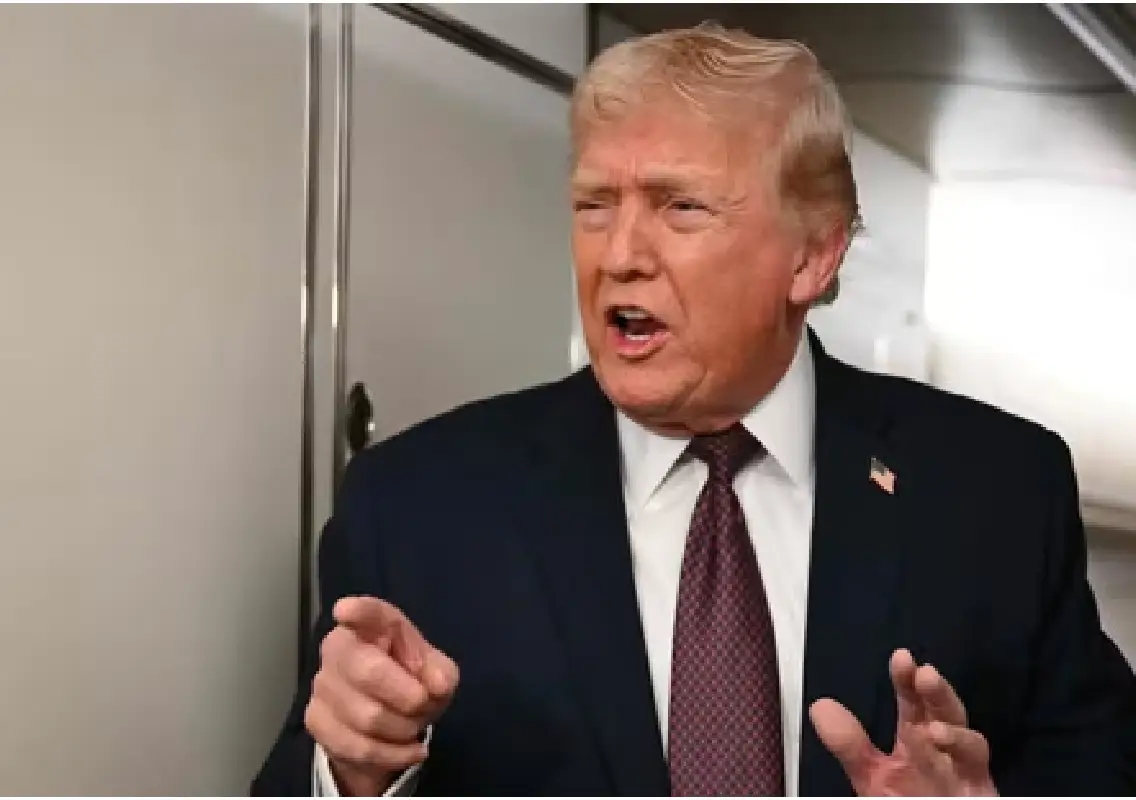


US President Donald Trump has said that Iran is seeking negotiations with Washington, following his public threats of possible military action over Tehran’s violent crackdown on nationwide protests.
Trump’s remarks came amid reports by activists that at least 599 people have died in demonstrations that have spread across Iran in recent days. The White House has not provided details on any direct communication from Tehran, and Iranian authorities have not officially responded to Trump’s claim.
Oman’s role and nuclear deadlock
Trump’s comments followed a visit to Iran by the foreign minister of Oman, a nation that has historically acted as an intermediary between Washington and Tehran. However, it remains unclear what Iran could offer at the negotiating table, especially as Trump has reiterated strict demands regarding Iran’s nuclear programme and ballistic missile development.
Iran maintains that its missile arsenal is essential for national defence and has repeatedly rejected external pressure on the issue.
Tehran claims situation under control
Iranian Foreign Minister Abbas Araghchi, speaking to foreign diplomats in Tehran, claimed that the unrest was “under total control”. He accused the United States and Israel of fomenting violence, though he provided no evidence to support the allegations.
Meanwhile, state media broadcast images of large pro-government rallies in Tehran and other cities. Tens of thousands of supporters of the theocratic establishment were seen chanting slogans such as “Death to America” and “Death to Israel”, in a show of strength following days of anti-government protests.
Trump keeps military option open
It has been around 10 days since Trump said the US was “locked and loaded” and ready to “come to the rescue” if Iran’s clerical leadership continued to kill demonstrators. Since then, he has repeatedly warned that military action remains an option, even as rights groups report rising fatalities.
Analysts say Trump’s choices range from diplomatic pressure to high-risk military intervention, with his final course likely to depend on whether his goal is regime change, deterrence, or renewed negotiations.