







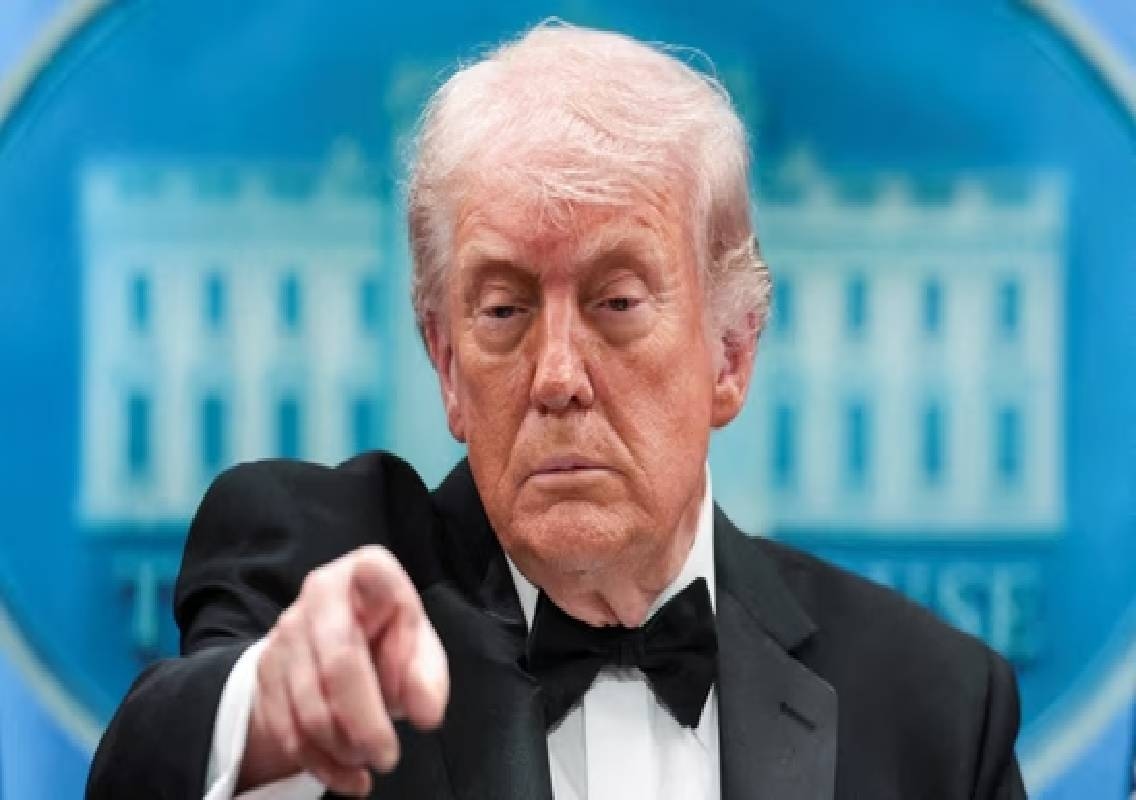


Washington, D.C.: The US State Department is set to release a limited edition of US passports featuring the image of Donald Trump, marking the country’s 250th anniversary of independence. The move has triggered political reactions and public debate, with critics questioning the precedent of including a sitting president on official travel documents.
Special passport for 250th anniversary
The initiative is part of celebrations for the United States’ semiquincentennial in July. According to officials, the special passport will feature a large image of President Trump on the inside cover, making it the first instance of a sitting US president appearing on such a document.
The White House has described the move as a patriotic gesture aimed at commemorating a historic milestone. Spokesperson Olivia Wales said the design would allow Americans to participate in the celebrations and reflect national pride.
A State Department spokesperson confirmed that only a limited number of these passports will be issued as part of the commemorative effort.
Part of broader symbolic initiatives
The passport design is one among several symbolic initiatives linked to the anniversary celebrations. Reports indicate that Trump’s signature is also being added to US dollar bills, which would make him the first sitting president to have his signature appear on paper currency.
In addition, a federal commission has approved a 24-carat commemorative gold coin bearing his image, further highlighting efforts to associate the celebrations with the current administration.
Lawmakers criticise the move
The announcement has drawn criticism from several lawmakers, particularly from the Democratic Party.
Mike Levin, a Congressman from California, expressed concern over what he described as an unprecedented move. In a post on X, he criticised the use of Trump’s image alongside national symbols, stating that such actions reflect personal branding rather than patriotism.
Similarly, Brendan Boyle questioned the priorities of the administration, arguing that greater focus should be placed on economic concerns affecting citizens rather than symbolic initiatives.
The criticism underscores broader political divisions over the role of leadership in national commemorations.
Mary Trump reacts
Adding to the reactions, Mary Trump, niece of the US President, commented on the development with a brief remark on social media, saying she was “relieved” to have already renewed her passport.
Her response reflects the wider public discourse surrounding the decision, which has drawn both support and criticism across different sections.
Historical and political context
Traditionally, US passports have avoided featuring images of sitting presidents, instead focusing on national symbols, historical landmarks, and notable figures from the country’s past. The inclusion of a current leader marks a departure from established norms.
Supporters argue that the move aligns with efforts to celebrate national identity during a landmark anniversary. Critics, however, see it as a break from institutional traditions that have historically maintained a distinction between governance and national symbolism.
Conclusion
The decision to feature President Trump’s image on a limited edition US passport has sparked significant debate as the country prepares to celebrate 250 years of independence. While the move is positioned as a tribute to national pride, it has also raised questions about precedent, symbolism, and the role of political figures in state representations. As the commemorative events approach, the discussion is likely to continue across political and public spheres.