







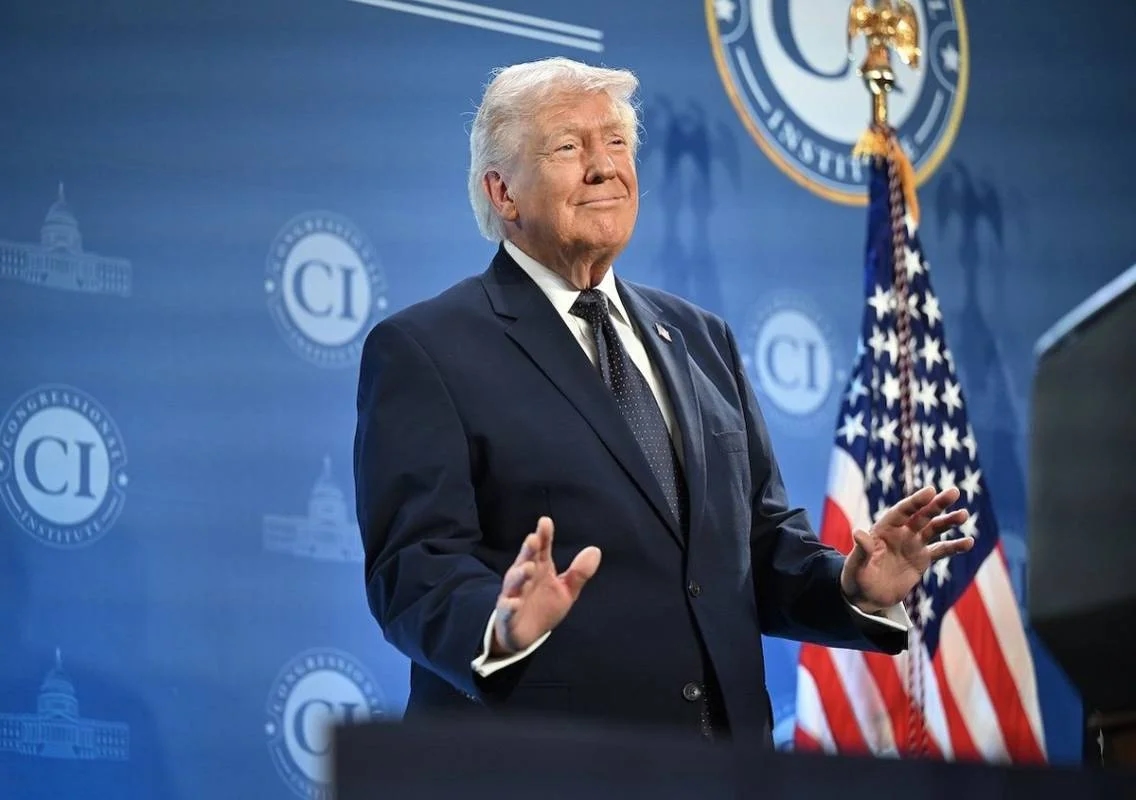


Washington: A visibly frustrated Donald Trump on Tuesday said the United States does not need support from its allies to secure the strategically vital Strait of Hormuz, after several key nations declined his call to deploy warships to the region.
The remarks came a day after multiple US allies either rejected or remained silent on Washington’s request to help reopen the oil corridor, which has been disrupted amid escalating conflict involving Iran.
Allies refuse US call for naval deployment
Despite repeated appeals from Washington, major allies including Germany, Spain and Italy said they had no immediate plans to send naval forces to the Gulf region.
German Chancellor Friedrich Merz stated that Berlin had not been consulted prior to the military escalation and lacked the necessary mandate under domestic and international frameworks.
“We do not have approval from the United Nations, the European Union or NATO,” he said, underscoring legal and political constraints on military deployment.
Trump criticises allies, asserts US strength
Responding to the lack of support, Trump struck a defiant tone, emphasising US military supremacy.
“We don’t need anybody. We’re the strongest nation in the world. We have the strongest military by far in the world,” he said.
The US President also renewed criticism of North Atlantic Treaty Organization members, questioning their commitment to collective defence despite being part of the alliance.
Trump indicated that his outreach to allies was partly a test of their willingness to stand by the US in times of crisis.
“I’m almost doing it… because I want to find out how they react,” he said, adding that he had long doubted whether allies would support Washington when needed.
UK response draws sharp reaction
Trump also singled out the United Kingdom, claiming it had initially declined a US request to deploy two aircraft carriers during the early stages of the conflict.
According to him, London later offered assistance after the situation had stabilised — an offer he said the US rejected.
“I needed it before the war… I was not happy with the UK,” he remarked, signalling frustration over what he described as delayed support.
Strait of Hormuz crisis deepens
The ongoing conflict has placed the Strait of Hormuz — a critical global oil transit route — under severe strain. Nearly 20 per cent of the world’s oil supply passes through the narrow waterway, making it vital for global energy markets.
Iran has effectively blockaded the strait since the outbreak of hostilities, attacking multiple vessels and disrupting shipping lanes. The move has triggered sharp increases in crude oil prices and raised fears of a prolonged energy crisis.
Tehran has warned that oil prices could surge up to USD 200 per barrel if the situation continues to escalate.
Escalation of regional conflict
The crisis follows a major military campaign launched by the US in coordination with Israel on February 28, targeting Iranian military and administrative infrastructure.
The strikes reportedly killed Iran’s Supreme Leader Ali Khamenei along with several senior officials, significantly impacting Tehran’s leadership structure.
In response, Iran carried out missile and drone attacks on Israel, US bases and strategic interests across West Asia, widening the conflict into a broader regional confrontation.
Iran’s new leadership under Mojtaba Khamenei has maintained a hardline stance, declaring that the Strait of Hormuz will remain closed.
Growing divisions among Western allies
The reluctance of US allies to join the Hormuz mission highlights deep divisions within Western nations over involvement in the escalating conflict.
While the US has indicated readiness to deploy its navy to escort commercial vessels, the lack of allied participation raises questions about the future of coordinated military responses and alliance cohesion.
Analysts note that differing legal frameworks, domestic political considerations and concerns over further escalation are key factors behind the hesitation.
Conclusion
Trump’s remarks underscore growing frustration within Washington as traditional allies distance themselves from direct military involvement in the Gulf crisis. With the Strait of Hormuz remaining blocked and tensions with Iran escalating, the US may be forced to act unilaterally.
The situation not only threatens global oil supplies but also exposes cracks in long-standing alliances, potentially reshaping geopolitical dynamics in the region.