







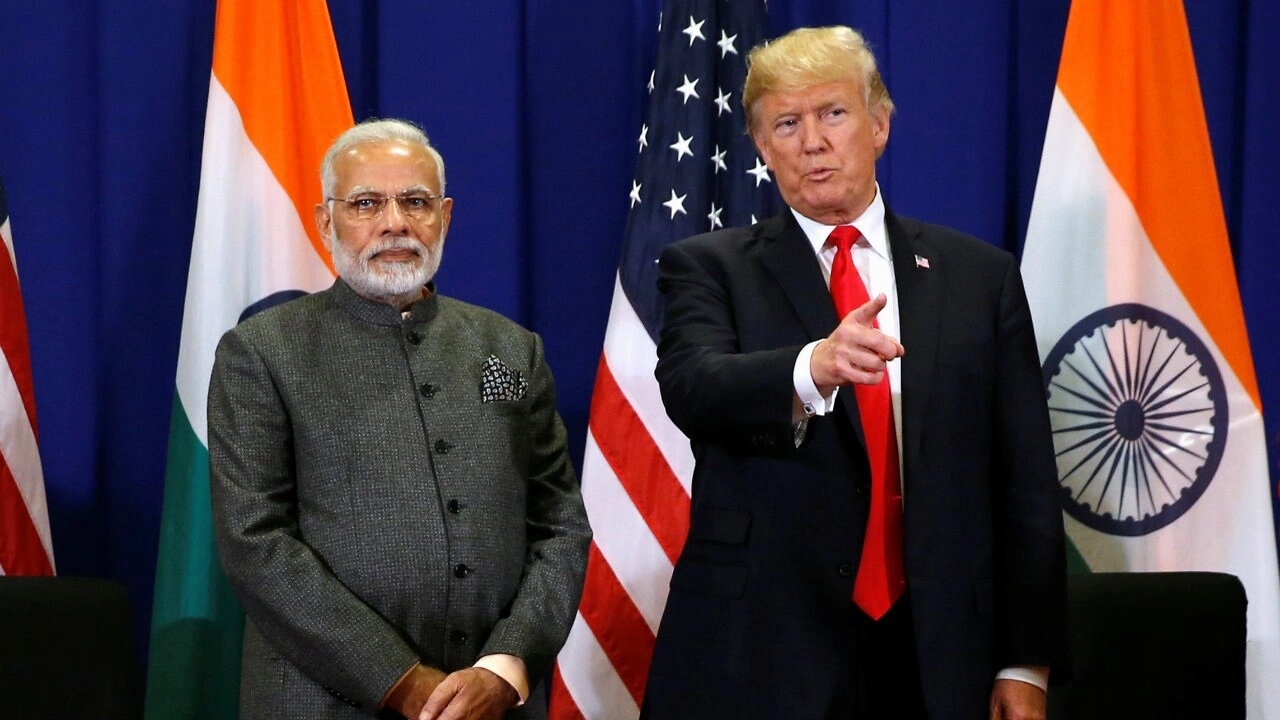


As US President Donald Trump faces off with his primary global competitor, China, India finds itself in a unique and advantageous position. A crucial part of this shift is Vice President JD Vance’s visit to India, which sets the tone for ongoing trade talks and negotiations between the two countries. Expectations are high that the agreement reached will be collaborative, aiming for mutual growth without confrontation, with a potential deal to be finalized by October.
India’s strategic importance to the US goes beyond being a growth partner; it is seen as a situational political and military ally whenever the objectives align. This relationship is shaping up to be part of a larger pattern of Trump’s trade policies, following a consistent strategy aimed at balanced, reciprocal trade and economic growth.
The Trump Trade Pattern: Reciprocity and Negotiation
Trump’s overarching goal is to balance trade deficits and foster growth on both sides. The use of tariffs is a key tool to draw countries to the negotiation table, with nations expected to invest in the US economy—whether by building plants or expanding supplier networks. In addition, the goal of fostering currency appreciation and ensuring reciprocity in trade agreements, industry by industry, is becoming clear. Trump’s efforts are not solely about punitive measures but are focused on joint efforts to counter China’s influence on global supply chains.
India stands to benefit from these agreements, particularly with Trump’s offer to increase bilateral trade to $500 billion annually by 2030. In exchange, India is expected to expand its purchase of US goods, particularly in energy and defense sectors, in a product-by-product agreement. India’s currency is also likely to appreciate as part of this arrangement, with projections suggesting the rupee could hit 80 INR to 1 USD by December 2027.
Special Focus on India
What sets India apart in these negotiations is Trump’s emphasis on special terms. Along with balanced trade and growth, the US is likely to ask India to simplify government procedures to make it easier for foreign businesses to enter and operate. Additionally, Trump has made it clear that India will need to improve cost-competitiveness, especially against China, which remains a major economic rival.
India’s businesses can begin planning and taking action now, even as they await further clarity on the negotiations. Strategic adjustments will be necessary to stay competitive, particularly in light of potential currency revaluations and inflationary pressures.
A Fragile Global Order
As global challenges, such as the ongoing Israel-Gaza conflict and the Russia-Ukraine war, continue to strain international diplomatic resources, India’s relationship with the US is becoming increasingly important. The US and India will need to navigate these negotiations carefully, balancing economic interests and geopolitical considerations.
India is well-positioned to benefit from this emerging trade framework, but careful planning and swift adaptation to changing circumstances will be crucial for both government and businesses. With Trump’s flexible approach to tariffs and trade, India can expect a path forward that offers growth, but one that requires a collaborative and strategic mindset.
- Trump’s disruptive foreign policy shakes global stability
- Donald Trump sparks outrage after appearing to nap at Pope Francis’ funeral
- Trump India diplomacy growth newskarnataka