







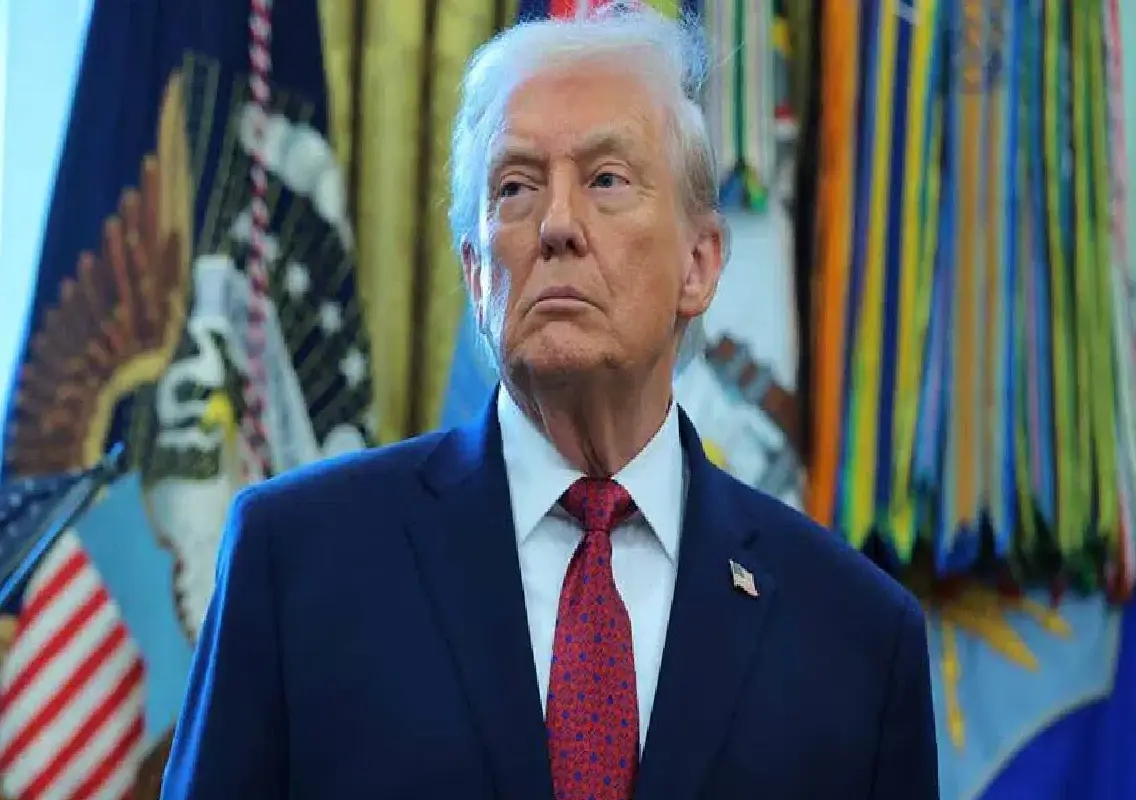


US President Donald Trump’s announcement of sweeping prescription drug price cuts is expected to have far-reaching implications for global pharmaceutical markets, including India’s generics-driven drug export sector, as the United States moves towards an international price benchmarking regime aimed at lowering medicine costs for American consumers.
Trump declared that Americans would soon pay no more than the lowest price charged for prescription drugs anywhere in the world, signalling a dramatic shift in US drug pricing policy. “You’re going to get most favoured nations pricing,” the president said, reiterating his long-standing criticism that Americans have been forced to subsidise cheaper medicines abroad by paying the highest prices globally.
Push for global price benchmarking
The announcement was made at a high-profile event attended by senior members of the Trump administration, including Health and Human Services (HHS) Secretary Robert F. Kennedy Jr., Commerce Secretary Howard Lutnick, Centres for Medicare and Medicaid Services (CMS) Administrator Mehmet Oz, and Food and Drug Administration (FDA) Commissioner Marty Makary. Executives from several major multinational pharmaceutical companies were also present, underscoring the scale and seriousness of the policy shift.
“For decades, Americans have been forced to pay the highest prices in the world,” Trump said, adding that his administration was determined to end what he described as an unfair system. According to the president, drugmakers had already agreed to steep price reductions on several major products.
“We signed historic agreements to reduce prices by 300, 400, 500, 600 and even 700 percent,” Trump claimed, without disclosing specific drugs or timelines. Industry analysts note that while such figures may reflect list-price versus net-price adjustments, the broader intent is clear: to dramatically lower the cost burden on US patients.
Big pharma presence and reactions
Executives present at the announcement included Sanofi CEO Paul Hudson, Novartis CEO Vas Narasimhan, Genentech CEO Ashley Magargee, Gilead CEO Dan O’Day, GSK CEO Emma Walmsley, Merck CEO Robert Davies and Amgen Executive Vice President Peter Griffith. Their presence suggested that large pharmaceutical firms are already engaged in negotiations or discussions with the administration over pricing and market access.
While none of the executives publicly contradicted Trump’s claims at the event, industry watchers expect intense lobbying and legal scrutiny as details of the policy emerge. Global pharmaceutical companies have traditionally relied on the US market for a significant share of their profits, often offsetting lower prices in Europe, India and other regulated markets.
Tariffs and pressure on foreign governments
Trump said the US would use tariffs as a tool to pressure foreign governments into aligning their drug prices with US expectations. “We would never be able to do this without the use of tariffs,” he said, indicating that trade policy would be closely linked to healthcare reform under his approach.
By threatening tariffs, the administration appears to be signalling that countries benefiting from lower drug prices could face trade consequences unless pricing disparities are reduced. Trump added that US drug prices would soon be “among the lowest in the developed world”.
“So we will get the lowest price anywhere in the world,” he said, framing the policy as a corrective to what he views as decades of imbalance in global pharmaceutical pricing.
Implications for India’s pharma sector
India, one of the world’s largest producers of generic medicines, is a key supplier to the US pharmaceutical market, particularly for affordable treatments for chronic conditions such as diabetes, hypertension and cardiovascular diseases. Indian drug prices are often among the lowest globally due to intense competition, large-scale manufacturing and government price controls.
Any move by the US towards global price benchmarking is therefore being closely watched by Indian pharmaceutical exporters. The American market accounts for a significant portion of revenue for many Indian drugmakers, with exports to the US running into several lakh crore rupees annually.
On one hand, Indian generics could benefit if US buyers increasingly seek lower-cost alternatives to expensive branded drugs. On the other, if US policy leads to downward pressure on already low prices or introduces new trade or regulatory barriers, Indian companies could face margin compression and increased compliance costs.
Manufacturing and reshoring narrative
Trump also linked the pricing policy to expanded pharmaceutical manufacturing within the United States. “They’re coming in and they’re building already,” he said, suggesting that lower prices would be coupled with incentives or pressure to increase domestic production.
This push for reshoring could present another challenge for Indian exporters if US policy increasingly favours locally manufactured drugs through procurement rules or incentives. However, experts point out that the complexity and cost advantages of India’s pharmaceutical manufacturing ecosystem make a rapid shift away from imports unlikely.
Conclusion
Trump’s proposed prescription drug price cuts mark a potentially transformative moment for the global pharmaceutical industry. While the policy aims to deliver cheaper medicines to American consumers, its ripple effects could reshape pricing strategies, trade relations and supply chains worldwide. For India’s generics-driven pharma sector, the development presents both opportunities and risks, reinforcing the need for close monitoring as Washington moves from announcement to implementation.