







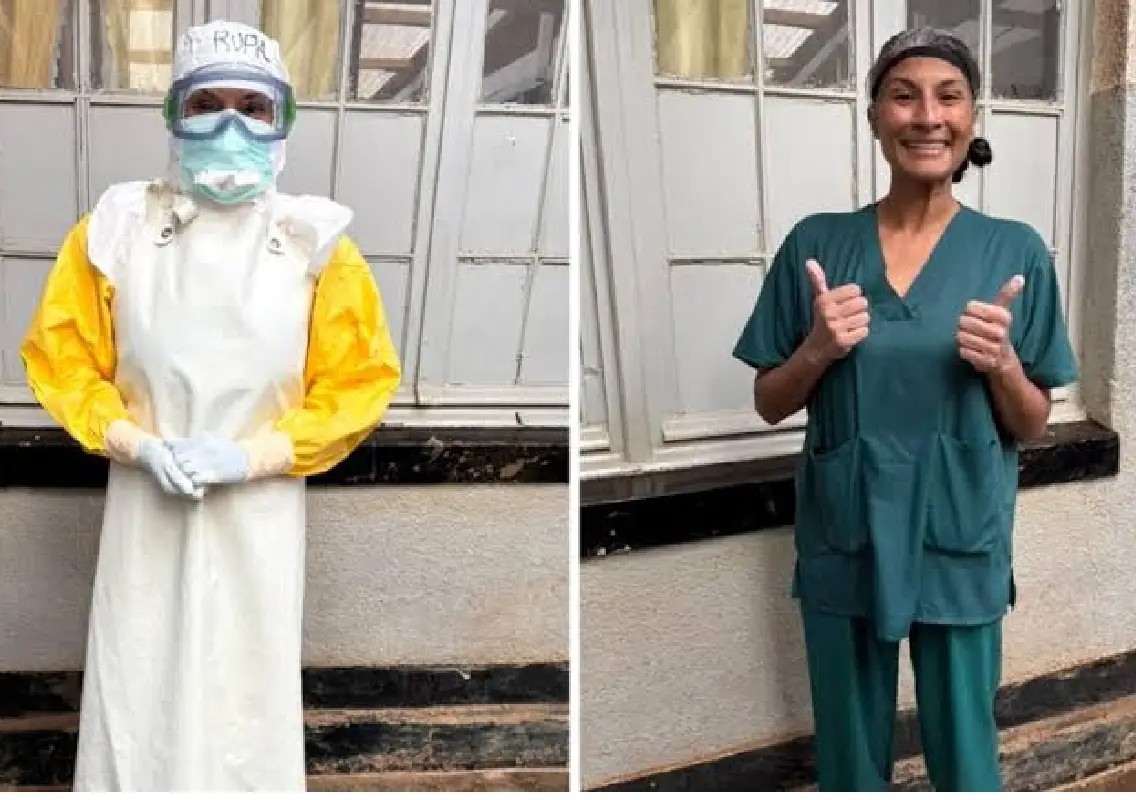


Kinshasa: A US paediatrician working in the Democratic Republic of Congo is helping care for children affected by Ebola, witnessing the devastating impact of the disease on some of its youngest patients.
Dr Rupa Narra travelled to the country to support medical teams responding to the outbreak and provide specialised care to children battling the infection. Her experience has highlighted the particular vulnerability of young patients during a serious infectious disease outbreak.
Children face a devastating illness
Ebola can cause severe illness, including fever, vomiting, diarrhoea and bleeding, with children among those requiring intensive medical attention.
For paediatricians, treating young Ebola patients presents additional challenges because children may deteriorate quickly and require careful monitoring, hydration and supportive treatment.
Narra described the experience as unlike anything she had previously encountered, underscoring the emotional and medical challenges faced by healthcare workers caring for critically ill children.
Doctors work under difficult conditions
Medical teams responding to Ebola outbreaks must work while following strict infection-prevention measures designed to protect healthcare workers and prevent further transmission.
For doctors and nurses, this means balancing urgent treatment with protective procedures and isolation protocols. Such conditions can make even basic acts of comfort more difficult, particularly when caring for frightened or seriously ill children.
The response also depends on early identification of patients, contact tracing, infection control and community cooperation.
Compassion remains central to care
Beyond medical treatment, healthcare workers provide reassurance to families facing fear and uncertainty. For children, the presence of a caring medical team can offer comfort during an extremely difficult experience.
Narra’s work reflects the commitment of healthcare professionals who travel far from home to support communities facing dangerous infectious diseases.
Their efforts also demonstrate the importance of international medical cooperation in responding to outbreaks and protecting vulnerable patients.