







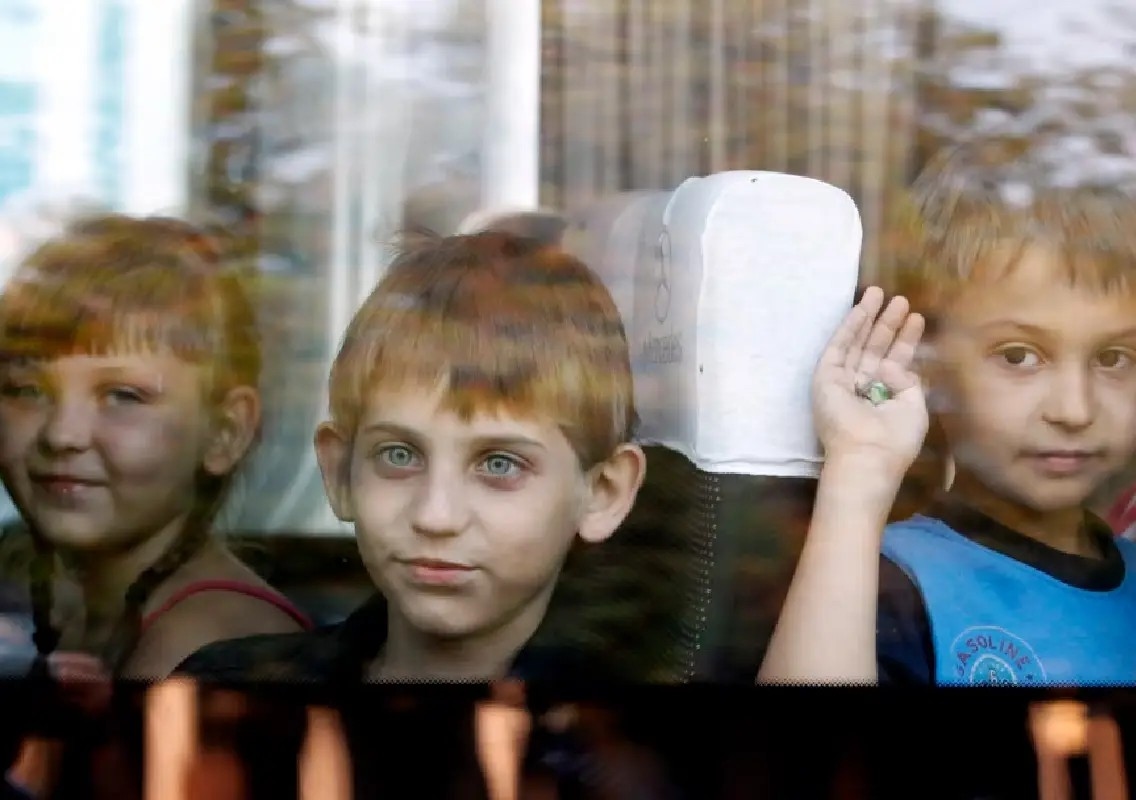


Thousands of Ukrainian children who were evacuated to Europe after Russia’s full-scale invasion in 2022 are now facing a difficult question: whether to return to a country still affected by war or remain in the European countries where they have built new lives.
Many of the children were living in state care when they were moved abroad for safety. The evacuation was initially intended to be temporary, but some children have since formed strong relationships, entered schools and adapted to life in countries such as Italy.
Some children no longer want to return
Ukrainian authorities have repatriated most of the evacuated children, but more than 1,500 reportedly remain elsewhere in Europe. Some have resisted returning, saying they feel safer and see greater educational and career opportunities in their host countries.
For some teenagers, returning also means going back to communities affected by damaged infrastructure, disrupted services and continuing security concerns.
The experiences of children who have already returned have added to the debate. Some have described difficulties adjusting to new surroundings after spending years with foster families and communities in Europe.
A complex child welfare challenge
Ukraine faces the additional challenge of rebuilding its population and social-care system while trying to ensure that children separated from their country are protected.
The situation is also distinct from the separate issue of Ukrainian children whom the European Union says were unlawfully deported or forcibly transferred to Russia and occupied territories. The EU says more than 20,500 children have been affected by such transfers and that efforts are continuing to secure their return.
For the children evacuated to Europe voluntarily for protection, however, the question is increasingly about where they feel secure, supported and able to build their future.
Their stories highlight the lasting consequences of war: for children who have grown up between countries, returning home is no longer simply a journey back to a familiar place, but a deeply personal decision shaped by years of experience.