


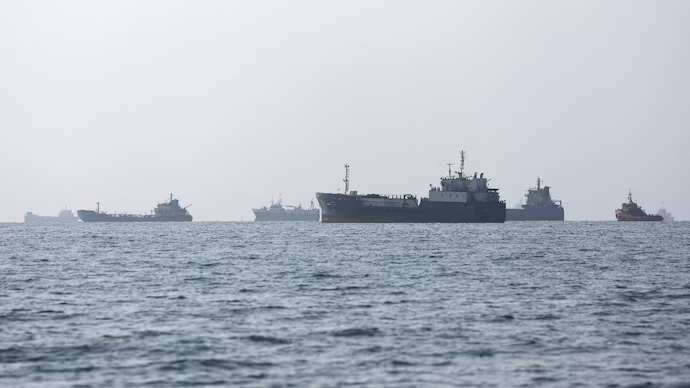


New Delhi: The United States has imposed sanctions on a Chandigarh-based couple and a network of companies allegedly involved in helping Iran’s shadow fleet transport petroleum by using fraudulent maritime registrations and certifications. The US Department of the Treasury identified the couple as Suniel Kumar Sharma and his wife, Jaspreet Preeti Shahid, accusing them of operating what it described as a “vast criminal network”.
The action, announced on November 4, also targets two other Indian nationals associated with the couple’s businesses and several India-linked entities. The Treasury alleged that the network provided false flags and maritime certifications to vessels transporting Iranian petroleum, including ships operating on behalf of Iran’s military and its proxies.
The sanctions form part of the Trump administration’s Operation Economic Outcast, a campaign intended to restrict Iran’s oil revenues and limit the financial resources available to its government. The US has also taken action against a Turkey-based aviation services company accused of supporting sanctioned Iranian airlines.
US accuses Chandigarh couple of running fraudulent ship registries
According to the Treasury Department, Sharma and Shahid operated from Chandigarh and allegedly misrepresented themselves as authorised representatives of maritime administrations in several countries, including Guyana, Eswatini and Laos.
The department said the couple established websites claiming to provide services on behalf of countries that had not authorised them. These services allegedly included ship registration and flagging, seafarer training and certification, and vessel classification.
The alleged scheme involved creating false maritime registries that allowed vessels linked to Iran’s oil trade to continue operating despite international restrictions. By obtaining fraudulent flags and certifications, such ships could conceal their status and avoid scrutiny by maritime authorities.
The Treasury said the couple’s activities dated back to at least 2014, when they allegedly attempted to impersonate the maritime flagging authority of Dominica. In 2023, Sharma established a Singapore-based company called Eswatini Maritime Affairs and International Ship Registry PTE Ltd.
According to the US department, the company continued providing flagging services to vessels transporting Iranian petroleum even after authorities in Eswatini publicly disavowed it.
The Treasury cited the sanctioned vessel Ping Shun as an example of a ship that received services through the registry. It said the vessel had been involved in multiple shipments of Iranian oil when it was designated.
The department also alleged that the network operated websites claiming to represent maritime registries in places including Aruba, Guyana, Mali, Mozambique, Malawi, Sint Maarten and Timor-Leste.
Indian companies and executives named in sanctions
The US action covers several companies allegedly connected to the couple’s operations. The Treasury identified Oceaniek Technologies India as one of the entities used by Sharma to establish fraudulent ship registries claiming to represent jurisdictions such as Aruba, Nicaragua and Sint Maarten.
Aryavart Ship Management Private Limited was also designated. The department said the company was linked to Shahid and identified two Indian nationals, Ashwani Kumar Dhiman and Ishwinder Singh, as individuals who nominally served as directors of businesses associated with the network.
Other India-based entities named in the sanctions include:
- Precept Trends Private Limited
- Polynesia Maritime Private Limited
- Alexarya Finserv Private Limited
- Alexarya Media and Entertainment Private Limited
- Viharaboating Private Limited
- Aryavart Maritime and Educational Trust
The Treasury said Shahid had taken on a role in managing several businesses associated with the network as scrutiny of Sharma’s activities increased. It alleged that some of these entities were used to establish or operate fraudulent flagging registries.
The department designated Sharma for operating in Iran’s petroleum sector and Shahid for allegedly providing material, financial or technological support to him. The companies and individuals were sanctioned under US executive order provisions targeting sectors of the Iranian economy and those supporting designated entities. These are allegations made by the US government and do not, by themselves, establish criminal guilt under Indian law.
How false flags can help sanctioned vessels
Ships are required to be registered with a country and operate under its flag. The flag state is responsible for exercising regulatory oversight, including matters relating to safety, maritime standards and compliance with international rules.
The Treasury warned that fraudulent registrations can undermine this system. Vessels using false flags or invalid maritime certifications may be able to conceal their ownership, operational links or involvement in restricted trade.
The department also highlighted the potential safety and environmental consequences. It said vessels operating with false documentation may evade international safety and environmental regulations and could lack valid indemnity insurance.
That creates risks beyond sanctions enforcement. If an inadequately insured vessel causes an accident or environmental damage in another country’s territorial waters, the financial consequences could be substantial for the affected country and coastal communities.
The Treasury said sanctioned shadow fleet vessels had increasingly used the fraudulent registries identified by its investigation. It cited the case of the Majestic X, formerly known as Phonix, which it said was carrying Iranian oil when the US Department of War seized it in April 2026.
Turkey-based aviation company also sanctioned
Alongside the action against the Indian network, the Treasury sanctioned Turkey-based Fugo Ground Services Inc for allegedly providing continued support to Iran’s heavily sanctioned aviation sector.
The department said the company provided ground handling and other services to several Iranian airlines that had already been designated by the US and continued operating flights to Turkey.
The carriers identified by the Treasury included Iran Air Tour, Saha Airlines, Taban Airlines and Ata Airlines. The department’s wider account of the company’s services also referred to other sanctioned Iranian carriers.
The action forms part of Washington’s effort to restrict Iran’s access to international aviation services, which the US says can be used to transport personnel, weapons and other sensitive cargo.
The Treasury’s Office of Foreign Assets Control (OFAC) has repeatedly warned companies outside the US that providing services to sanctioned Iranian entities can expose them to sanctions risks.
Scott Bessent warns businesses supporting Tehran
US Treasury Secretary Scott Bessent said Washington would continue targeting individuals and companies that support the Iranian government through financial, maritime or aviation networks.
“We know where you are, and we will sanction those who continue supporting the Iranian regime, whether by land, sea, or air,” Bessent said in a statement.
The Treasury also issued a fresh alert to industry participants about the risks of dealing with vessels that may be operating under fraudulent flags. The warning is intended to draw attention to the possibility that apparently valid ship registrations and maritime documents may not have been authorised by the countries they claim to represent.
The department said Operation Economic Outcast was designed to identify and disrupt the networks, intermediaries and financial channels used by Iran to sell oil and move money despite international restrictions.
The campaign was announced in August 2026 and has since included measures targeting Iran’s aviation sector and businesses accused of facilitating its trade.
US intensifies economic pressure on Iran
The latest sanctions come amid the continuing conflict involving Iran, the United States and Israel. Washington has sought to restrict Tehran’s ability to generate revenue from petroleum exports, which remain an important source of income for the Iranian government.
The Treasury said its previous measures were contributing to pressure on Iran’s economy, including a sharp decline in the value of the rial and domestic inflation approaching 90 per cent. These figures were cited by the US government as an indication of the impact of its sanctions campaign.
The latest action also follows the reimposition of a US blockade on Iranian ports on July 14, after an earlier memorandum of understanding between Tehran and Washington to end the war broke down, according to the supplied report.
The sanctions were announced a day after the US midterm elections, in which Democrats made major gains. The election results came amid public concerns about the war and its contribution to inflation in the United States.
For India, the designation of a Chandigarh-based couple and several associated entities brings attention to the international scrutiny of businesses accused of facilitating sanctions evasion. The case also highlights how maritime registration services and corporate structures can become part of wider geopolitical enforcement efforts.
What the sanctions mean
The designations can restrict the ability of the named individuals and companies to conduct transactions involving US persons or the US financial system. Assets and financial interests subject to US jurisdiction can be blocked, while businesses and financial institutions may face risks if they engage in prohibited dealings with designated parties.
The Treasury’s action does not amount to a conviction by an Indian court. The allegations against Sharma, Shahid and the associated entities are based on the US government’s sanctions investigation.
The case is also a warning to maritime businesses, ship operators and service providers that fraudulent registration documents can attract international enforcement action, particularly when they are allegedly used to support sanctioned oil shipments.
With Washington expanding Operation Economic Outcast across shipping, aviation and financial networks, companies operating in these sectors face increased scrutiny over their dealings with Iran and entities linked to its government.