







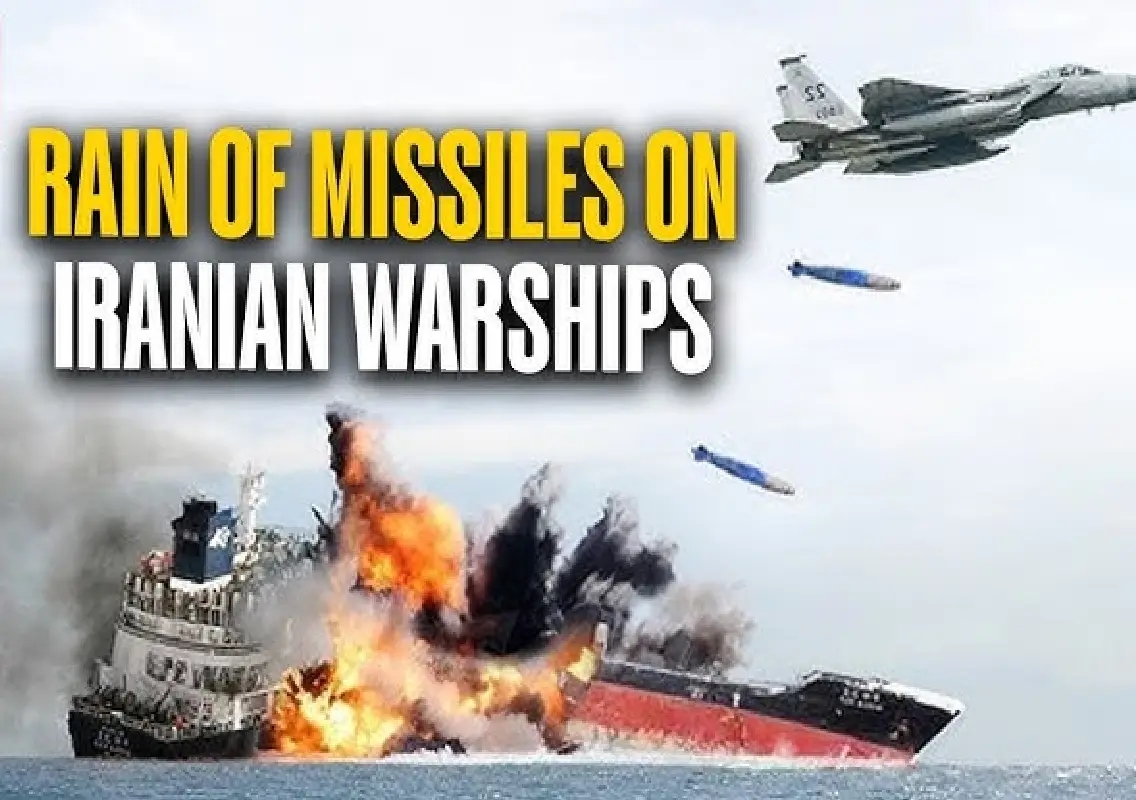


The United States has sunk more than 30 Iranian ships since the start of the ongoing conflict in the Middle East, according to a senior US military official overseeing operations in the region.
Admiral Brad Cooper, head of the United States Central Command (CENTCOM), said the strikes were part of the wider military campaign launched against Iran in coordination with Israeli forces.
Major naval losses reported
Speaking at a news conference, Cooper said US forces recently targeted an Iranian drone carrier ship that was roughly comparable in size to a World War II aircraft carrier.
“We’re now up over 30 ships sunk,” he said, adding that the vessel struck in the latest operation had caught fire following the attack.
The naval strikes are part of Washington’s broader effort to weaken Iran’s military capabilities during the conflict.
Missile and drone attacks declining
According to the US military, Iranian missile and drone attacks have dropped significantly since the start of the war.
Cooper stated that ballistic missile attacks have fallen by about 90 per cent, while drone attacks have decreased by around 83 per cent compared with the first day of hostilities.
The United States launched a large-scale air campaign against Iran on February 26, with Israeli forces also participating in the operation.
Iran responded by launching waves of drones and missiles targeting countries and military assets across the region.
Operation Epic Fury
The US-led military campaign against Iran has been named Operation Epic Fury.
Officials say the operation has two primary objectives: weakening Iran’s ballistic missile capabilities and dismantling key elements of its naval forces.
Military analysts note that Iran has historically relied on a large fleet of smaller naval vessels and drones to exert influence across the Persian Gulf and nearby waters.
Reducing those capabilities could significantly affect Iran’s ability to conduct maritime operations in the region.
Rising regional tensions
The ongoing conflict has raised concerns about wider instability in the Middle East, with several countries closely monitoring developments.
Experts warn that continued military escalation could have broader geopolitical and economic consequences, particularly for global energy markets and international security.
While military operations continue, diplomatic efforts aimed at reducing tensions have yet to produce a breakthrough.