







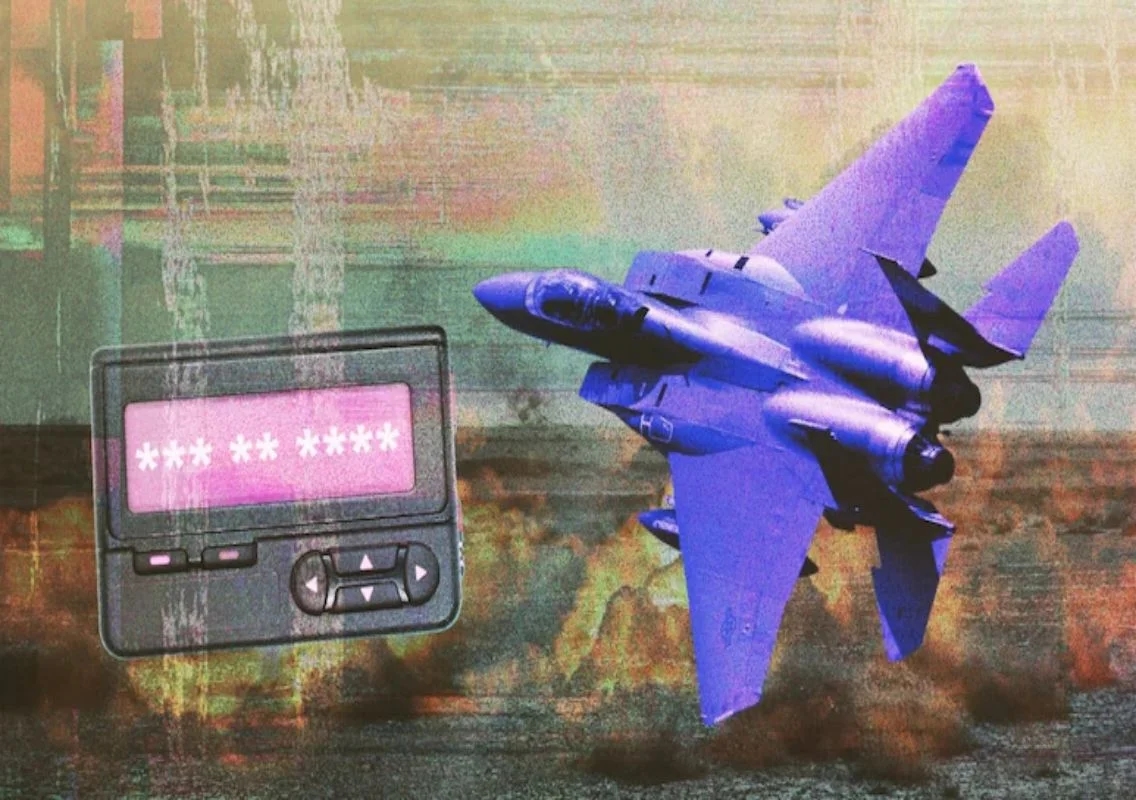


Washington: In a high-risk military operation, the United States deployed an “air armada” of 176 aircraft across seven locations over nearly 46 hours to rescue two crew members of a downed F-15E Strike Eagle deep inside Iran.
The complex mission, described as one of the most coordinated rescue efforts in recent times, involved hundreds of personnel and a wide range of military assets.
A massive and coordinated air operation
According to US officials, the rescue fleet included bombers, fighter jets, refuelling tankers, helicopters, and unmanned aerial systems.
Among the key aircraft deployed were:
- A-10 Warthog
- HH-60 Jolly Green II
- HC-130 Combat King II
Officials also indicated the use of remotely piloted drones and tactical unmanned systems to support the operation.
US Defence Secretary Pete Hegseth described the mission as “unblinking”, noting that a secure coordination call remained active for 45 hours and 56 minutes.
High-risk rescue under pressure
The operation aimed to extract both the pilot and the weapon systems officer (WSO), who had been isolated and evading hostile forces after their aircraft was downed.
Chairman of the Joint Chiefs of Staff, Air Force General Dan Caine, praised their resilience, highlighting the extreme danger faced during the mission.
US President Donald Trump said the rescue required 155 aircraft at one stage, many of which were used as decoys to confuse Iranian forces.
Strategy: deception and precision
The mission reportedly spanned seven different locations, but only one was the actual rescue site. This deliberate strategy was designed to mislead enemy forces and reduce the risk to the stranded crew.
“They saw activity everywhere,” Trump said, explaining how multiple deployments created confusion while US forces executed the real extraction.
Once the correct location was secured, American forces engaged threats, rescued the personnel, and exited Iranian territory.
First such loss in the conflict
The downed F-15E Strike Eagle marked the first manned US aircraft reportedly brought down by Iran since the conflict began on February 28.
Trump described the incident as a “lucky hit” by opposing forces, while emphasising the successful recovery of both crew members.
Broader context of losses
US forces have faced multiple setbacks in recent months, including:
- Loss of several unmanned MQ-9 Reaper drones
- Damage to an E-3 Sentry in an attack in Saudi Arabia
- A KC-135 Stratotanker crash over Iraq
There were also earlier incidents involving friendly fire affecting US aircraft in the region.
Conclusion
The 45-hour rescue mission underscores the scale, precision, and risk involved in modern combat search-and-rescue operations. While the loss of the aircraft highlights ongoing tensions, the successful extraction of both crew members demonstrates the US military’s operational capability in hostile environments.