







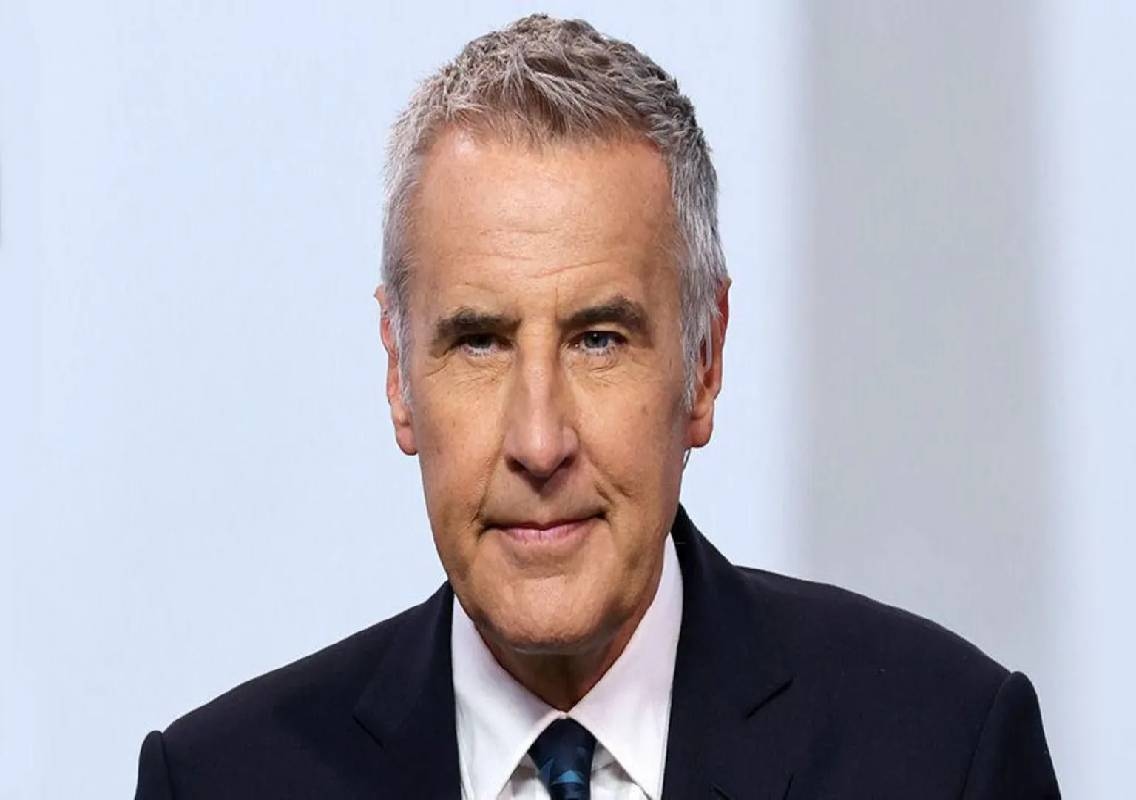


London: Veteran British television presenter and journalist Dermot Murnaghan has died at the age of 68, a year after publicly revealing that he had been diagnosed with stage four prostate cancer. His family confirmed that he passed away peacefully at his home in North London, surrounded by loved ones.
“It is with great sadness that the family of Dermot Murnaghan announces that he passed away at home in North London earlier this morning. He died peacefully with his family at his side,” the family said in a statement shared on his official X account.
Murnaghan was one of Britain’s most recognisable television news presenters, enjoying a career that spanned nearly five decades across some of the country’s leading broadcasters, including the BBC, ITV and Sky News.
A distinguished broadcasting career
Dermot Murnaghan began his journalism career at Channel 4 News before joining ITV, where he became a familiar face on programmes such as The Big Story, News at Ten, ITV Evening News and Nightly News. His calm presenting style and authoritative reporting earned him widespread respect among viewers and colleagues alike.
In 2002, he moved to the BBC, where he became one of the principal presenters of BBC Breakfast, as well as the BBC News at Six and BBC News at Ten. During his time at the broadcaster, he also hosted the popular quiz show Eggheads for 11 years, introducing a different side of his broadcasting talent.
Murnaghan later joined Sky News in 2007, where he remained one of the network’s leading presenters until 2023. Beyond daily news, he also fronted documentary series including Crimes That Shook Britain on Channel 5 and Killer Britain for Crime + Investigation UK.
Cancer diagnosis and awareness campaign
In 2025, Murnaghan revealed that he had been diagnosed with stage four prostate cancer. At the time, he said he was responding positively to treatment and remained optimistic about his health.
Following his diagnosis, he became a prominent advocate for prostate cancer awareness, urging men to undergo regular health checks and calling for routine screening through the UK’s National Health Service (NHS).
He repeatedly stressed the importance of early detection, noting that prostate cancer can sometimes progress rapidly without obvious symptoms.
His family thanked the public for the support shown during his illness and acknowledged the many messages of goodwill he received following his diagnosis and awareness campaign.
Prostate cancer symptoms
Prostate cancer is among the most common cancers affecting men. Symptoms may include frequent urination, particularly at night, difficulty starting or maintaining urine flow, weak urine stream, and the presence of blood in urine or semen. Medical experts advise men, particularly those over 50 or at higher risk, to seek medical advice if they experience such symptoms.
Tributes expected
Murnaghan’s passing marks the end of an illustrious broadcasting career that helped shape British television journalism for generations. He was widely respected for his professionalism, integrity and ability to cover some of the biggest national and international stories with clarity and composure.
Tributes are expected from colleagues across the broadcasting industry, many of whom worked alongside him during his long career in British television.
Conclusion
Dermot Murnaghan leaves behind a remarkable legacy in journalism and broadcasting. Beyond his decades of trusted news reporting, his efforts to raise awareness about prostate cancer have been widely recognised, ensuring his impact extends well beyond the newsroom.