







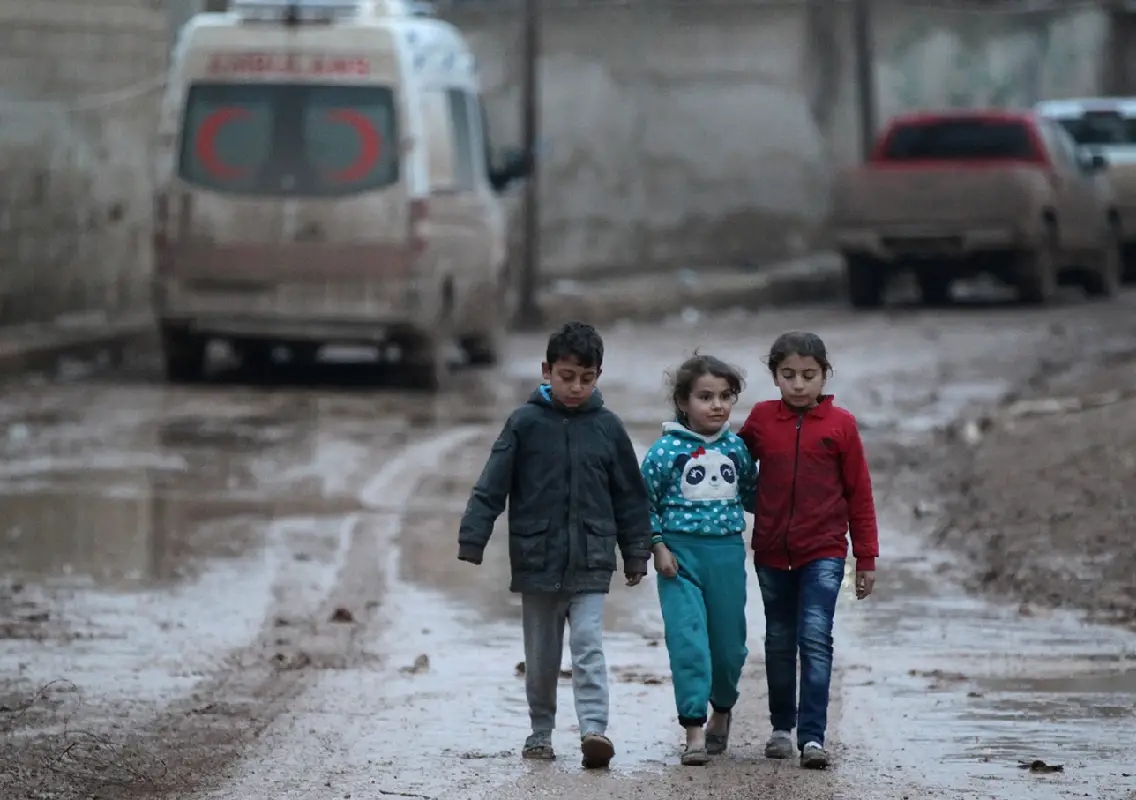


Even as fragile ceasefire efforts offer temporary relief, the psychological scars of war continue to haunt children across Iran, where fear and trauma have become part of daily life.
For many young survivors like Ali, a 15-year-old whose name has been changed for safety, the sound of explosions and fighter jets has left a lasting impact. Sudden noises now trigger intense fear, a condition psychologists describe as hyperarousal—an early sign of post-traumatic stress disorder.
Fear persists even after violence subsides
Ali recalls how even minor sounds now cause panic. “Before the war, I had no stress… now even the smallest sound affects me,” he says, describing the lingering effects of airstrikes.
Experts warn that such reactions are common among children exposed to conflict, where repeated exposure to violence disrupts emotional stability and a sense of safety.
Disrupted childhoods and isolation
With schools closed and movement restricted, many children remain confined indoors. Social interaction has diminished, and routines have been disrupted, leaving young minds vulnerable to anxiety, loneliness, and uncertainty.
Parents, too, are struggling. Many face unemployment and constant fear, creating an environment where children absorb stress from those around them.
Rising mental health concerns
Counsellors report increasing cases of sleep disturbances, nightmares, reduced concentration, and behavioural changes among children.
According to the Human Rights Activists News Agency, thousands have been killed in the conflict, including hundreds of children, while many more have been injured.
Alarming reports of child involvement
Rights groups, including Amnesty International, have raised concerns over reports of children being encouraged to participate in security roles, warning that such actions violate international humanitarian law.
The involvement of minors in conflict zones further exposes them to both physical danger and long-term psychological harm.
Families struggle to protect children
Some parents are taking extreme steps to safeguard their children, including relocating away from conflict zones. Many express deep concern over the lasting impact of war on their children’s mental and emotional well-being.
Lasting impact beyond the battlefield
Experts emphasise that while ceasefires may pause physical violence, the emotional and psychological effects of war endure far longer.
For children growing up in conflict zones, the damage extends beyond immediate danger—shaping their future, mental health, and sense of security.