







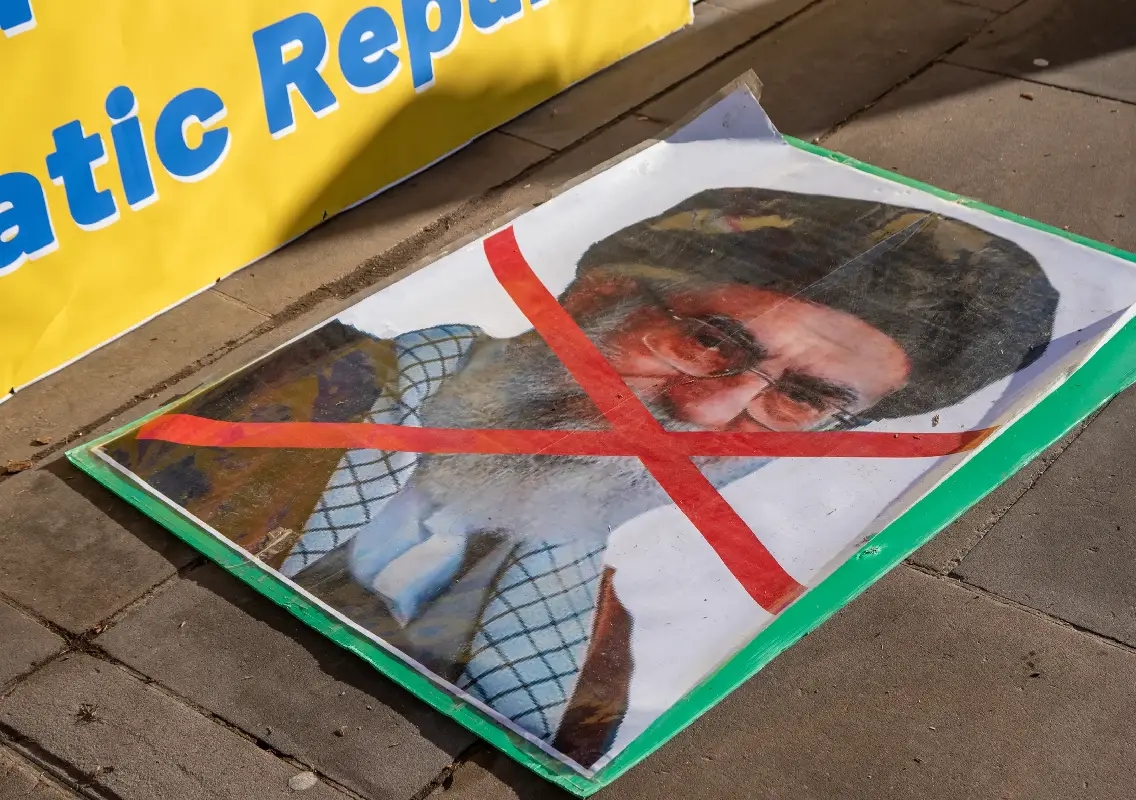


The reported killing of Iran’s Supreme Leader Ayatollah Ali Khamenei in an Israeli strike has stunned the global community, as the assassination of a national leader during wartime is extremely rare in modern history.
Analysts say the event could mark a significant shift in military strategy, raising concerns that targeting political leaders during conflict may become more common in future wars.
Killing world leaders in war is extremely rare
Historically, rulers and military leaders often fought directly on battlefields. Ancient figures such as Cyrus the Great of Persia and England’s Richard III personally led troops into combat and sometimes died in battle.
In modern warfare, however, national leaders rarely expose themselves to such risks. They usually remain far from front lines and operate from highly protected facilities, while military operations are carried out by commanders and troops.
Because of these security arrangements, the killing of a sitting head of state by a foreign military is almost unheard of in recent decades.
Few precedents in modern history
Experts say the closest historical parallel occurred in 1979, when Soviet forces assassinated Afghan Communist leader Hafizullah Amin during the Soviet invasion of Afghanistan.
That event was widely seen as a turning point that escalated the conflict into a prolonged war lasting nearly a decade.
The killing of Khamenei therefore represents one of the very few examples in modern geopolitics of a leader being directly targeted and killed during an international conflict.
Questions about how the strike happened
Reports indicate that Khamenei was meeting senior officials at a well-known compound in Tehran when the strike occurred.
Observers say it was surprising that the meeting took place despite warnings that airstrikes in the region were imminent, as top leaders typically move to secure underground facilities during such threats.
Security experts believe the strike may have relied on precise intelligence and advanced targeting capabilities, which have become increasingly common in modern military operations.
Global concerns over escalation
While analysts note that such a strike may not necessarily violate international laws of war, many warn that it could set a dangerous precedent.
If targeting political leadership becomes normalised in conflicts, it could lead to greater escalation, retaliatory assassinations, and increased instability in international relations.
With tensions already rising in the Middle East, the killing of one of the region’s most influential leaders is likely to reshape geopolitical dynamics and military strategy in the years ahead.